
Last updated October 30, 2026
 Kitchen remodeling
 Bathroom remodeling
 Home additions & ADU
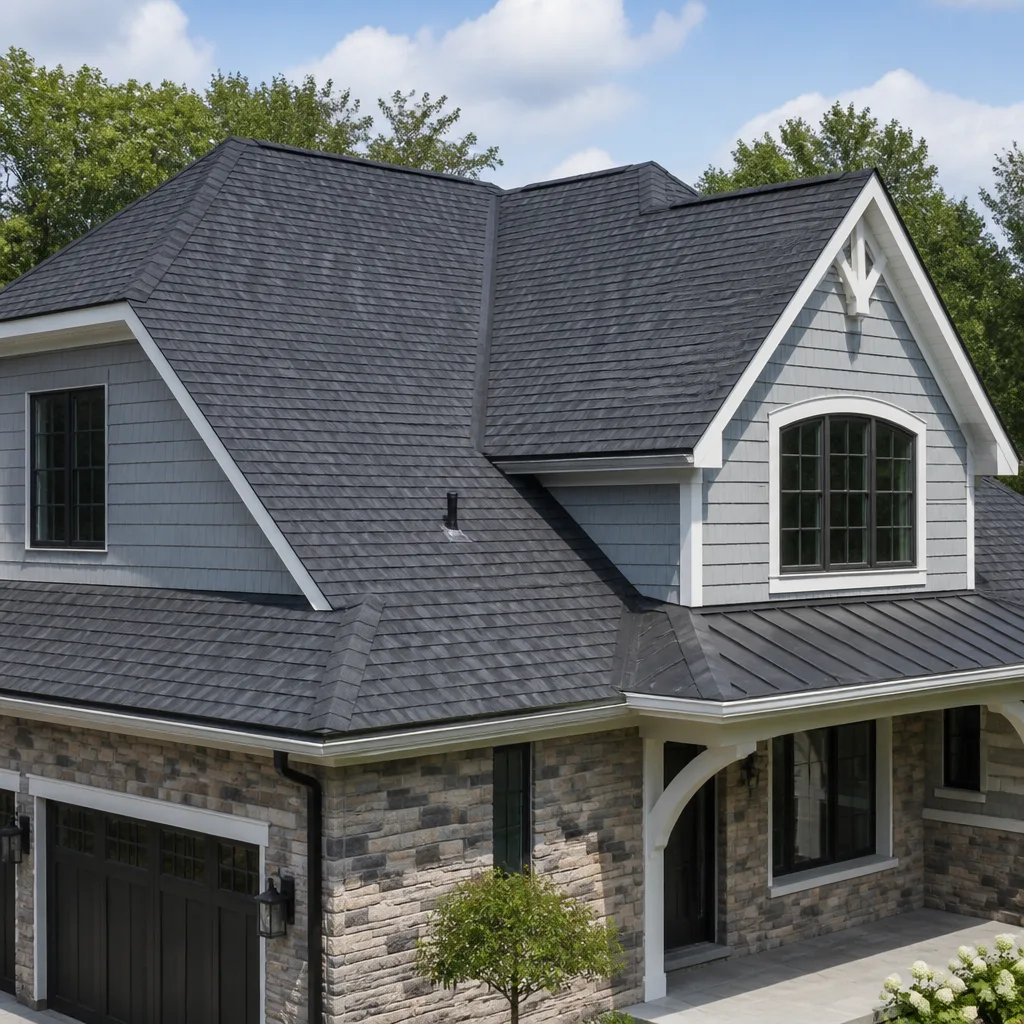 Roofing
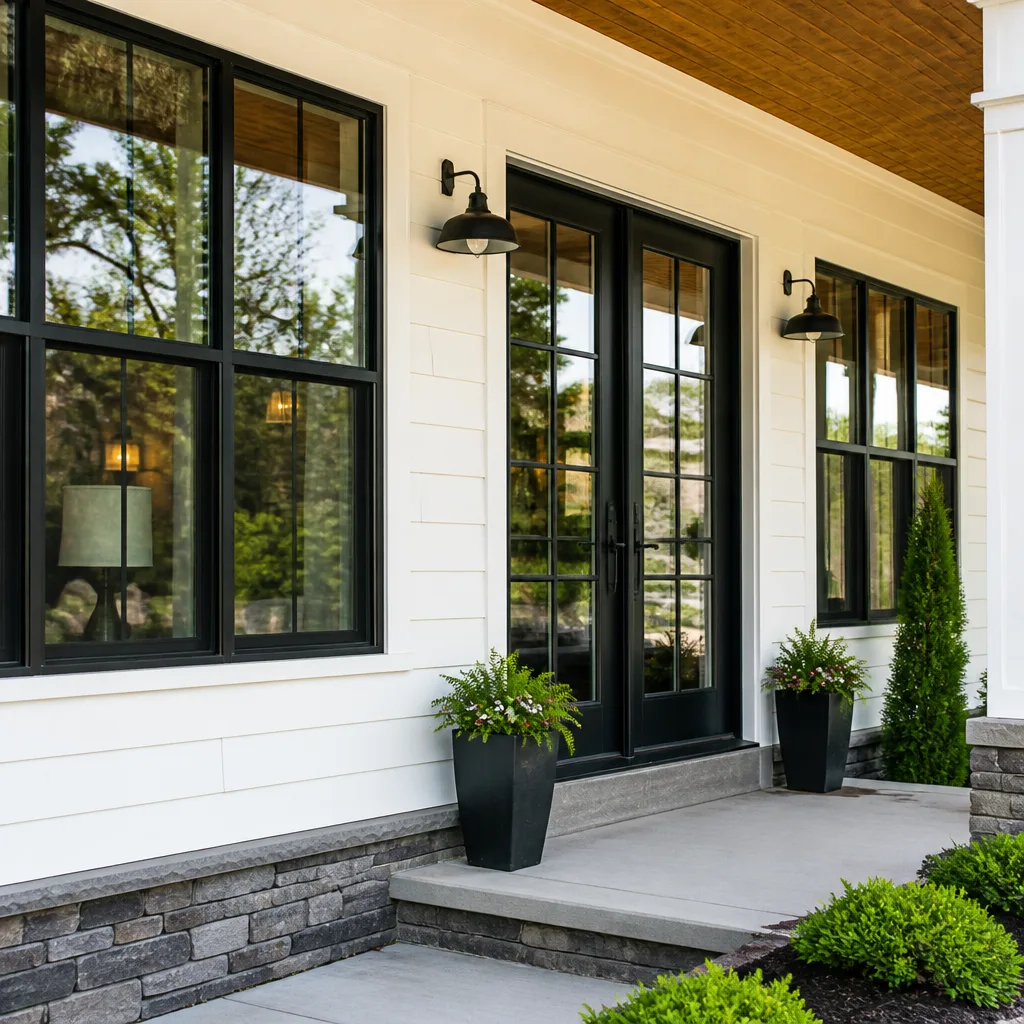 Windows & doors
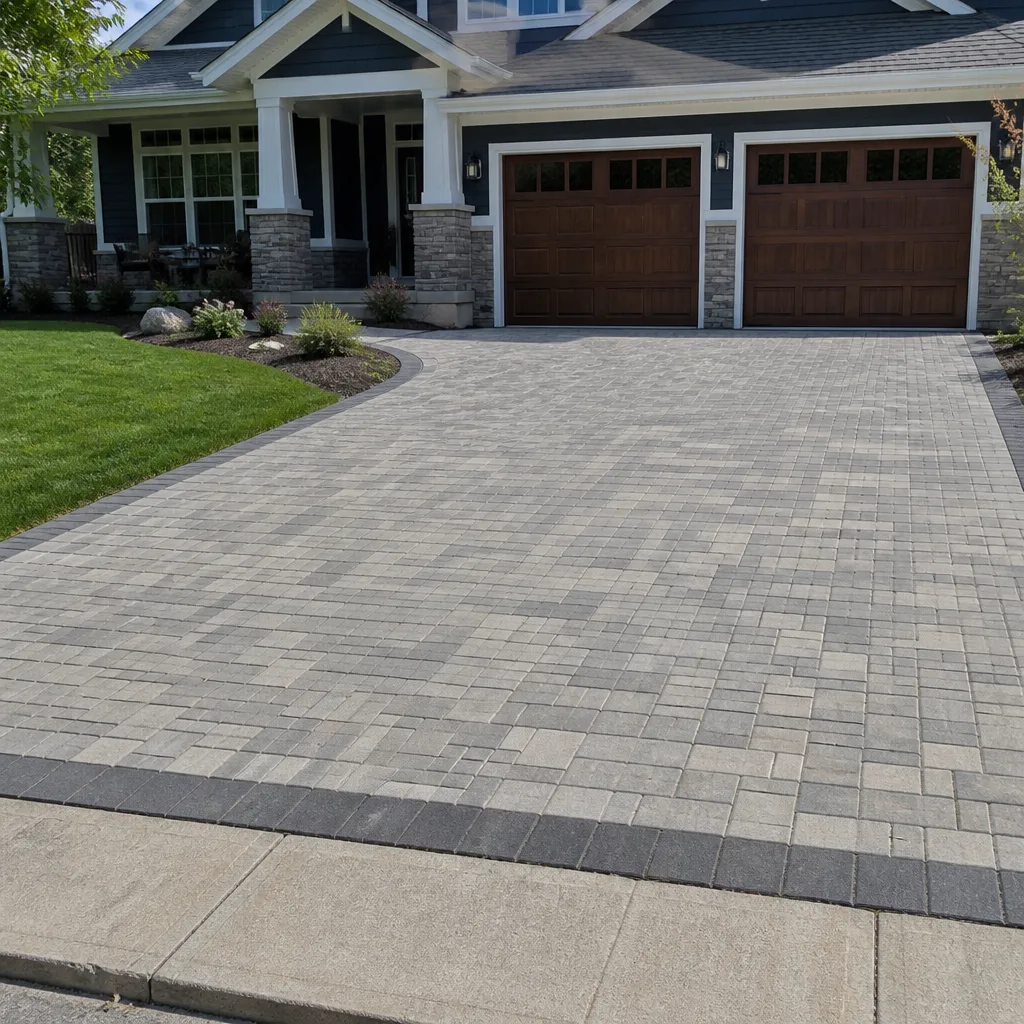 Driveway & pavers
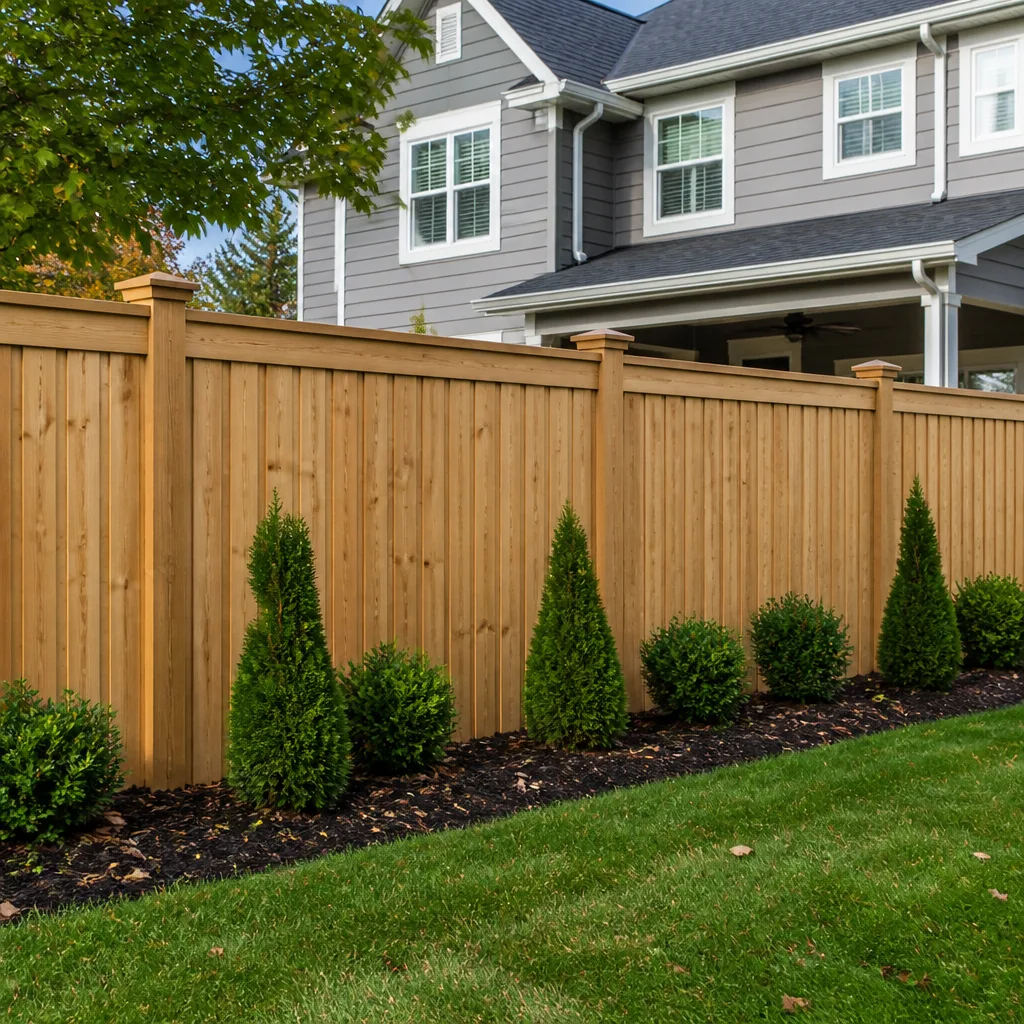 Fence
Free written scope consultation - allowances, timeline, and change-order rules on paper before a single trade is scheduled
Choosing the Right Construction Brand: A Buyer’s Guide for South San Francisco
Every year, homeowners in South San Francisco hand six-figure renovation budgets to contractors whose brand name appears nowhere on the actual work crew. The national franchises with the polished websites and the recognizable logos routinely hire local subcontractors who also work for three other companies in the same month. The brand on your contract and the person swinging the hammer in your kitchen are often connected by nothing more than a phone call and a markup. This guide explains how to evaluate what a construction company actually is, not what its marketing says it is, and how to structure your selection process around one question: who answers when something goes wrong? We’ve written this from our perspective as contractors working in South San Francisco, where the housing stock, the permit process, and the subcontractor market all shape what “good” looks like.
Styles & brands we work with
Quick Answer
The best construction company in South San Francisco is the one that can show you a written accountability structure: who holds the license, who employs the lead carpenters and project manager, who signs the subcontracts, and who answers the phone when a trade misses a deadline. A brand name is a marketing asset. A general contractor with direct control over the trades and a local project history in South San Francisco is an accountability asset. Before you sign anything, verify the license, confirm who actually performs the work, and require the project management process in writing.
Table of Contents
- The Accountability Spectrum: What Each Construction Model Actually Means
- Self-Performance vs. Subcontracting: Why It Matters More Than the Brand Name
- Licensing, Bonding, and Insurance: What They Protect and What They Don’t
- Why South San Francisco Project History Matters More Than Bay Area Volume
- Communication Systems as a Selection Criterion
- How to Evaluate Material Brands Without Getting Lost in the Catalog
- A Step-by-Step Selection Process for South San Francisco Homeowners
- Common Mistakes to Avoid
- When to Call a Professional
- Frequently Asked Questions
- The Bottom Line
The Accountability Spectrum: What Each Construction Model Actually Means
Construction companies use similar vocabulary to describe very different business structures. Understanding the four primary models will save you from discovering mid-project that no single person is actually responsible for your renovation. In South San Francisco, where homes range from 1940s bungalows in Old South San Francisco to newer hillside construction in Terrabay and Westborough, the project complexity often demands a model with clear internal accountability.
Here is how the spectrum breaks down, from most to least integrated accountability:
- Design-Build Firm: One entity holds both the design and construction contracts. The architect, engineer, and builder work under the same roof, which eliminates the finger-pointing that occurs when a designer’s drawing turns out to be unbuildable. For South San Francisco homeowners adding an ADU or undertaking a whole-home renovation, this model reduces coordination burden. The trade-off is that design-build firms typically carry higher overhead, which shows up in the project budget.
- General Contractor (GC): A licensed GC holds the prime contract and is legally responsible for every trade on the project, whether the workers are employees or subcontractors. This is the model we operate under, and it means one license, one contract, and one point of accountability for the roof, the framing, the plumbing, the tile, and the paint. A general contractor in South San Francisco is the correct choice for any project touching multiple trades, which includes most kitchens, bathrooms, additions, and ADUs.
- Construction Manager (CM): The homeowner holds the contracts with each trade directly, and the CM coordinates schedules and advises on decisions. This can work for experienced owner-builders with deep construction knowledge and time to manage payments. For most homeowners, it creates exactly the fragmentation that causes projects to stall. When a plumber and electrician disagree about sequencing, the CM can advise, but the homeowner is legally the one holding both contracts.
- Specialty Contractor: A roofer, a fence company, a countertop fabricator, or a window installer who holds a trade-specific license. These contractors are excellent at their single scope of work. The problem arises when a homeowner tries to act as their own general contractor, coordinating five specialty trades across a renovation. You become the project manager, the scheduler, and the legal point of contact for every dispute.
The right model depends on project scope. A roof replacement alone can be handled by a specialty roofing contractor. A kitchen remodel that touches plumbing, electrical, cabinetry, countertops, and flooring needs a general contractor. In our experience, most South San Francisco homeowners underestimate how many trades even a “simple” kitchen renovation requires, and they end up hiring a GC midway through after realizing they are managing four separate crews with conflicting schedules.
Self-Performance vs. Subcontracting: Why It Matters More Than the Brand Name
Every construction company subcontracts some work. Electrical and plumbing require specialty licenses, and even large general contractors hire licensed electricians and plumbers rather than employing them directly. What matters is the ratio and the structure. A company that self-performs its core trade, typically carpentry, framing, and finish work, maintains direct control over quality, schedule, and problem resolution. A company that subcontracts everything is essentially a brokerage, adding a markup in exchange for writing checks to crews it does not employ, train, or supervise directly.
Here are the questions to ask any contractor in South San Francisco before signing:
- Who employs your lead carpenter? If the answer is “we use a subcontractor,” ask who that subcontractor is, how long the relationship has existed, and whether that crew works exclusively for this company or juggles multiple contractors.
- Who manages the project day to day? A company should be able to name the specific individual who will be on your site regularly, not just a salesperson who disappears after the contract is signed.
- How do you handle subcontractor disputes? A good GC has a defined process: they hold the subcontracts, they resolve disputes internally, and you never have to negotiate with a trade directly.
- What is your self-performance percentage? Not every contractor will have a clean number, but the conversation itself is revealing. A company that bristles at the question is telling you something.
The franchise model deserves specific attention here because it is common in the Bay Area. A national home improvement company operating in South San Francisco signs your contract under its brand name, then hires local crews, often the same crews used by competing franchises and independent contractors. The brand provides a warranty, but the warranty is only as good as the company’s willingness to enforce it when the installing crew is no longer working for them. Before hiring any branded franchise, ask whether the installing crews are employees or subcontractors, and get the answer in writing.
Licensing, Bonding, and Insurance: What They Protect and What They Don’t
Licensing, bonding, and insurance are the minimum floor for any contractor working on your South San Francisco home, not a differentiator. A contractor who leads with “licensed and insured” as their primary selling point is telling you they meet the legal baseline, which is good, but reveals little about their actual competence. Here is what each layer actually protects:
Licensing: In California, contractors performing work over $500 in labor and materials must hold a license from the Contractors State License Board (CSLB). The license verifies that the contractor passed a trade and law exam and carries the minimum bond. It does not verify that the contractor does quality work. Always check the CSLB website directly, confirm the license is active, confirm it is in the correct classification (a “B” General Building license for general contractors, not a specialty “C” license), and verify that the name on the license matches the name on your contract. In South San Francisco, the city’s Building Division also issues permits, and the contractor you hire should be the one pulling those permits under their license.
Bonding: The contractor’s bond is a consumer protection mechanism, not insurance for your project. It protects you in specific circumstances, such as a contractor abandoning the job or failing to pay subcontractors who then file mechanics liens against your property. The standard California contractor bond is $25,000, which is inadequate for most renovation projects. Homeowners undertaking substantial work should ask about supplemental bonding or require that the contractor’s bond limit be disclosed in writing.
Insurance: General liability insurance protects you if the contractor damages your property or injures someone on your job site. Workers’ compensation insurance protects you from liability if a worker is injured on your property. In California, workers’ compensation is mandatory for any contractor with employees. Ask for certificates of insurance directly from the insurance provider, not a photocopy from the contractor’s files, and confirm the policy is active for the duration of your project.
What these protections do not cover is the quality of the work, the accuracy of the schedule, or the professionalism of the communication. Those require a different kind of due diligence.
Why South San Francisco Project History Matters More Than Bay Area Volume
A contractor who has completed forty kitchens across the Bay Area but none in South San Francisco is not local. The distinction matters because South San Francisco has specific conditions that affect construction, and a contractor who knows them operates more efficiently and with fewer surprises.
Consider the practical differences. Homes on the hillsides above the Sign Hill area often present foundation and drainage challenges that flatland homes in the industrial flats do not. The marine layer and consistent wind off San Bruno Mountain affect exterior material choices, paint curing times, and roofing underlayment details. The city’s permit process has its own rhythm, and a contractor with established relationships at the Building Division can anticipate review timelines and plan submittal requirements that a first-timer will discover by surprise. None of these are insurmountable, but each adds friction, and friction adds cost.
Ask any contractor you are considering for the addresses of completed projects in South San Francisco specifically. Drive past them if you can. Ask about the permit process: who handled the submittals, how many rounds of review were required, and what the city specifically asked for. A contractor who has done this repeatedly in South San Francisco will answer fluently. A contractor who has not will talk generally about Bay Area permitting, which is not the same thing.
Local project history also affects subcontractor quality. The electricians, plumbers, and demolition crews a contractor uses in San Francisco may not be willing to travel to South San Francisco for smaller jobs, or they may charge travel premiums that inflate your budget. A contractor with an established South San Francisco trade network has already solved that problem.
Communication Systems as a Selection Criterion
Most homeowners evaluate contractors on price, portfolio, and personality. Very few evaluate the communication system the contractor uses to run the project. That is a mistake. A renovation lives or dies by how decisions are documented, how changes are priced, and how information flows between the site, the office, and you. A contractor without a defined system is improvising, and improvisation is expensive.
Here are the communication questions to ask before you sign, and the answers that should concern you:
- Who is my primary point of contact after the contract is signed? The answer should be a named individual, usually a project manager or lead carpenter, with a phone number and email address. If the salesperson cannot answer this question immediately, walk away.
- How are change orders handled? A legitimate contractor prices changes in writing before the work is performed, with a clear description of the change, the cost, and the schedule impact. The change order should require your signature before any additional work begins. If the answer is “we’ll work it out as we go,” you are signing up for an open-ended budget.
- How often will I receive project updates? Weekly written updates are the minimum standard for a substantial renovation. Daily photo updates are better. The contractor should be able to tell you exactly what format the updates take and when they arrive.
- How are decisions documented? Verbal conversations lead to misremembered details. A professional contractor confirms selections, changes, and approvals in writing, either through a project management platform, email, or change order documentation. If the contractor relies on memory, expect disputes.
- What is your process for a schedule slip? Every project slips. The question is whether the contractor has a defined process for communicating and recovering from a slip, or whether you will discover the slip when you arrive home and find no one working.
In our experience, the communication system is a reliable proxy for how the company runs its actual construction. A contractor who documents clearly and communicates proactively is usually a contractor who builds carefully. The two habits come from the same discipline.
How to Evaluate Material Brands Without Getting Lost in the Catalog
Homeowners often fixate on brand names as a shortcut for quality: “I want KraftMaid cabinets” or “I want GAF shingles.” Brand reputation is a useful starting point, but it is not a substitute for understanding how the brand will perform in your specific home. The same manufacturer produces product lines across a wide quality spectrum, and the brand name alone tells you little about the specific line your contractor is proposing.
The more useful framework is to evaluate the contractor’s relationship with the brands they offer. A contractor who sources from fifty-plus manufacturers and can explain the performance trade-offs between them is providing something different from a contractor who pulls from a single distributor’s catalog without knowing the product details. For example, in the hardscape category, the difference between a Belgard paver installed on a properly compacted base with edge restraints versus one installed on a thin sand bed is far more significant than the difference between a Belgard paver and a Unilock paver. The brand matters, but the installation standards matter more.
Similarly, fencing materials from manufacturers like Jerith aluminum or ActiveYards systems perform differently in the South San Francisco climate. Salt air and consistent wind from the Bay affect metal fencing corrosion rates and gate hardware durability. A contractor who has installed these products locally can tell you which coatings hold up, which gates sag in wind-prone exposures, and which products are worth the premium. A contractor who has not will quote you whatever the distributor recommends.
The right approach is to ask your contractor three questions about any material brand they propose:
- Why this brand over the alternatives you offer? The answer should be specific: warranty support, dimensional tolerance, finish durability, moisture resistance. “It’s what we always use” is not a reason.
- What is the failure mode of this product in this climate? Every material fails eventually. A knowledgeable contractor can tell you how the product fails, when it fails, and what that failure looks like in a South San Francisco home. That answer tells you more than any brochure.
- Does the manufacturer require specific installation practices to preserve the warranty? Some products, such as James Hardie siding, require manufacturer-recognized installation methods. If the contractor does not know this, they are not qualified to install that product.
A Step-by-Step Selection Process for South San Francisco Homeowners
Here is a practical selection process that works for any substantial renovation, addition, or ADU project in South San Francisco. Follow these steps in order, and you will eliminate most of the contractors who cause expensive problems.
- Define the scope in writing before contacting anyone. Write down every trade your project will touch: plumbing, electrical, framing, roofing, drywall, tile, cabinetry, countertops, painting, hardscape. The list will be longer than you expect, and it will help you identify early which contractors are general contractors and which are specialty contractors overreaching.
- Verify the license on the CSLB website. Confirm the classification is correct, the license is active, and the name matches. Do this before the first meeting, not after the contract arrives.
- Request proof of insurance directly from the provider. Ask for certificates of general liability and workers’ compensation insurance. Confirm the coverage amounts are adequate for your project size.
- Ask for three completed projects in South San Francisco specifically. Not Bay Area-wide. South San Francisco. Ask for addresses and, if possible, client contact information. Drive past the projects.
- Ask the self-performance and subcontracting questions from the second section. Get the answers in writing. The responses to these questions reveal more about the company’s actual structure than any marketing material.
- Review the communication system before you review the bid. Ask how change orders are priced and approved, how updates are delivered, and who your daily contact will be. A low bid with no communication system will cost more than a higher bid with one.
- Compare bids line by line, not bottom line to bottom line. Two contractors quoting $85,000 for a kitchen remodel may be proposing different cabinet lines, different countertop materials, different allowances, and different scopes of work. The line items tell you what you are actually purchasing.
- Read the contract before discussing pricing. The contract should specify the scope, the schedule, the payment terms, the change order process, and the warranty. If anything is vague, get it clarified in writing before signing.
This process takes more time than accepting the first bid, but the time is cheap compared to the cost of a poorly run renovation. For a deeper look at what home remodeling in South San Francisco actually involves, we have written about the practical scope of these projects elsewhere.
Common Mistakes to Avoid
- Hiring a franchise for the brand name without verifying who performs the work. The brand on the contract is not the person in your home. Confirm whether the installing crews are employees or subcontractors, and get it in writing. In South San Francisco, the same local crews work for multiple franchises and independent contractors simultaneously.
- Accepting the lowest bid without comparing line items. The low bid is low for a reason: different materials, excluded scope, or lack of proper insurance. The line items will reveal which.
- Skipping the CSLB license verification. Homeowners in California lose tens of thousands of dollars every year to unlicensed contractors who vanish mid-project. This is a five-minute check that eliminates a whole category of risk.
- Signing a contract with vague change order language. If the contract does not spell out how changes are priced and approved, you are agreeing to whatever the contractor decides to charge when the inevitable change arises. That is not a negotiation, it is a blank check.
- Assuming a portfolio of Bay Area projects means local South San Francisco experience. The permit office, the hillside soil conditions, the wind-driven rain, and the trade network are all local factors. Generic Bay Area experience does not transfer cleanly.
- Evaluating material brands without evaluating the installer. A premium product installed by a crew that does not follow the manufacturer’s installation requirements will fail and the warranty will be void. Brand reputation does not substitute for installation competence.
- Hiring a specialty contractor to manage a multi-trade project. A roofer is not a general contractor, and asking one to coordinate plumbing and electrical work puts you in the position of being the project manager. For home renovation in South San Francisco, the general contractor exists precisely to handle this coordination.
When to Call a Professional
Any project that touches multiple trades, requires permits, or involves structural changes warrants a general contractor. This includes kitchen and bathroom remodels, additions, ADUs, roof replacements connected to interior work, and any exterior renovation that involves siding, windows, and hardscape together. In South San Francisco, the permit process itself often requires a contractor’s license on the application, which means the DIY route is closed for many projects from the start. If your project involves any of the following, call a professional before you do anything else: structural modifications, electrical panel work, gas line changes, or any work on a hillside foundation. These are not areas where the savings from self-managing offset the risk of an expensive mistake or a safety hazard. Millwright Builders offers free estimates in South San Francisco, call (866) 925-0334 to schedule a conversation about your project scope and budget.
Frequently Asked Questions
A mid-range kitchen remodel in South San Francisco typically costs $60,000 to $120,000 depending on the cabinet line, countertop material, and the extent of structural changes, while a primary bathroom remodel typically runs $35,000 to $75,000. ADU construction in South San Francisco generally starts around $250,000 for a prefabricated unit and rises from there for site-built construction. These are broad ranges; the specific scope of your project, the condition of your existing home, and the material selections will move these numbers significantly. Call (866) 925-0334 for an exact quote on your specific project, estimates are free.
Visit the Contractors State License Board website at cslb.ca.gov and search by the contractor’s name or license number to confirm the license is active, correctly classified, and free of recent disciplinary actions. You should also confirm that the name on the license matches the name on any contract you sign. This verification takes five minutes and eliminates unlicensed contractors, who are not legally permitted to perform work over $500 in California.
A general contractor holds the prime contract and is legally responsible for all trades on the project, while a construction manager advises the homeowner, who holds the contracts with each trade directly. The general contractor model provides a single point of accountability, which most homeowners prefer. The construction management model transfers legal and financial risk to the homeowner, and it is best suited for experienced owner-builders managing commercial projects.
The brand name is less important than the specific product line and the contractor’s ability to explain why that line suits your home and climate. Ask the contractor to explain the performance difference between the brand they propose and the alternatives they offer. A knowledgeable contractor will answer with specific details about warranty support, failure modes, and installation requirements. A contractor who cannot answer that question has not vetted the product, only stocked it.
The price will change only if the scope changes, and a professional contractor documents every change in writing before performing the work. This is called a change order, and it should include the description of the change, the cost, and the schedule impact. If a contractor tells you changes will be “worked out as we go,” the price will change in ways you cannot predict. Require a documented change order process in your contract before signing.
Yes, the contractor you hire should pull all required permits under their license, and in South San Francisco, the city’s Building Division requires licensed contractors for most residential construction permits. A contractor who asks you to pull your own permit or suggests skipping permits is avoiding the inspection process, which exposes you to code violations, insurance problems, and resale complications. Permits are not optional paperwork; they are the city’s verification that the work meets safety standards. Call (866) 925-0334 to discuss the permit requirements for your specific project.
The Bottom Line
Choosing a construction company in South San Francisco is not about finding the best brand name or the lowest price. It is about finding the accountability structure that protects you when the project hits the inevitable complications. Verify the license, confirm who actually performs the work, require a documented communication and change order system, and prioritize local South San Francisco project history over generic Bay Area volume. A general contractor with direct control over the trades and a transparent process is the closest thing to a guarantee this industry offers. The brand on the contract matters less than whether the company behind it answers when you call.
Written by the team at Millwright Builders, serving South San Francisco since 2014. We are a licensed general contractor specializing in home remodeling in South San Francisco, home renovation in South San Francisco, and full-scope general contracting in South San Francisco.
See the difference
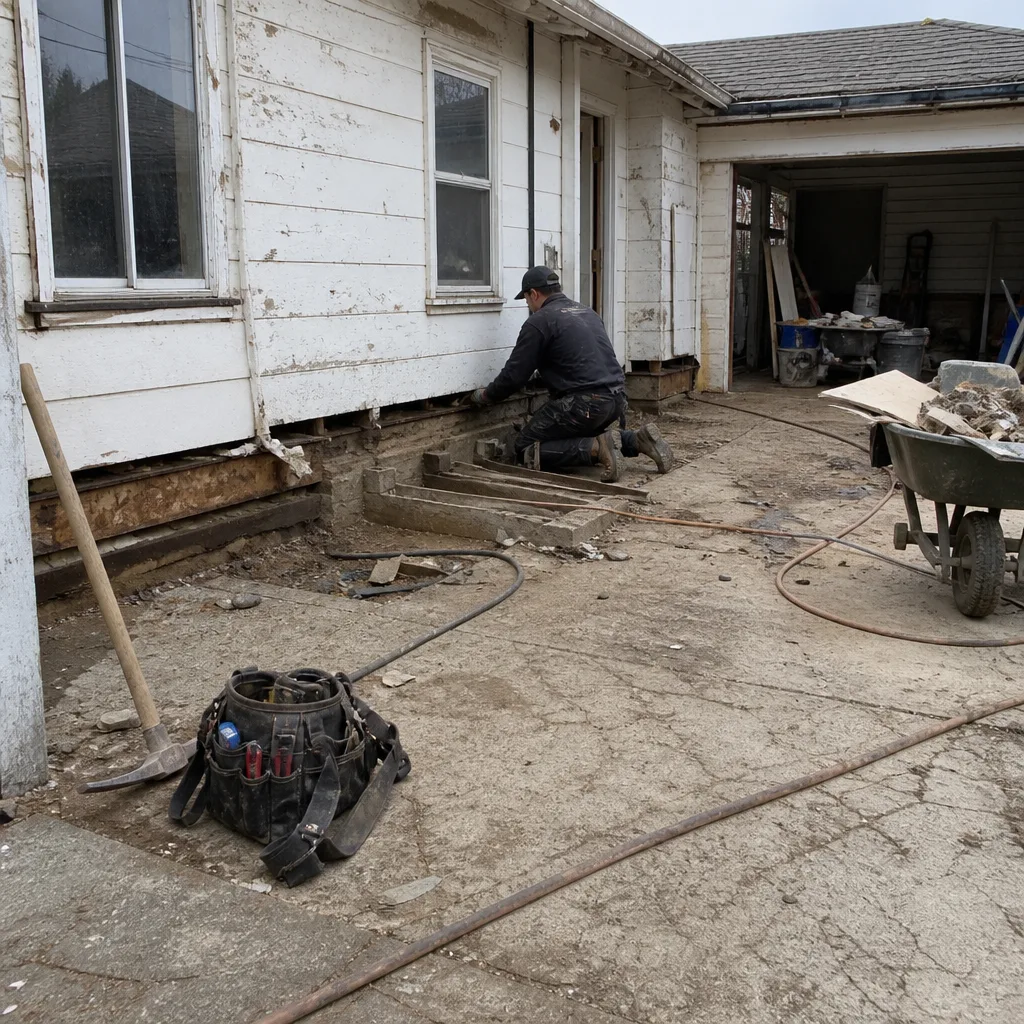 Before
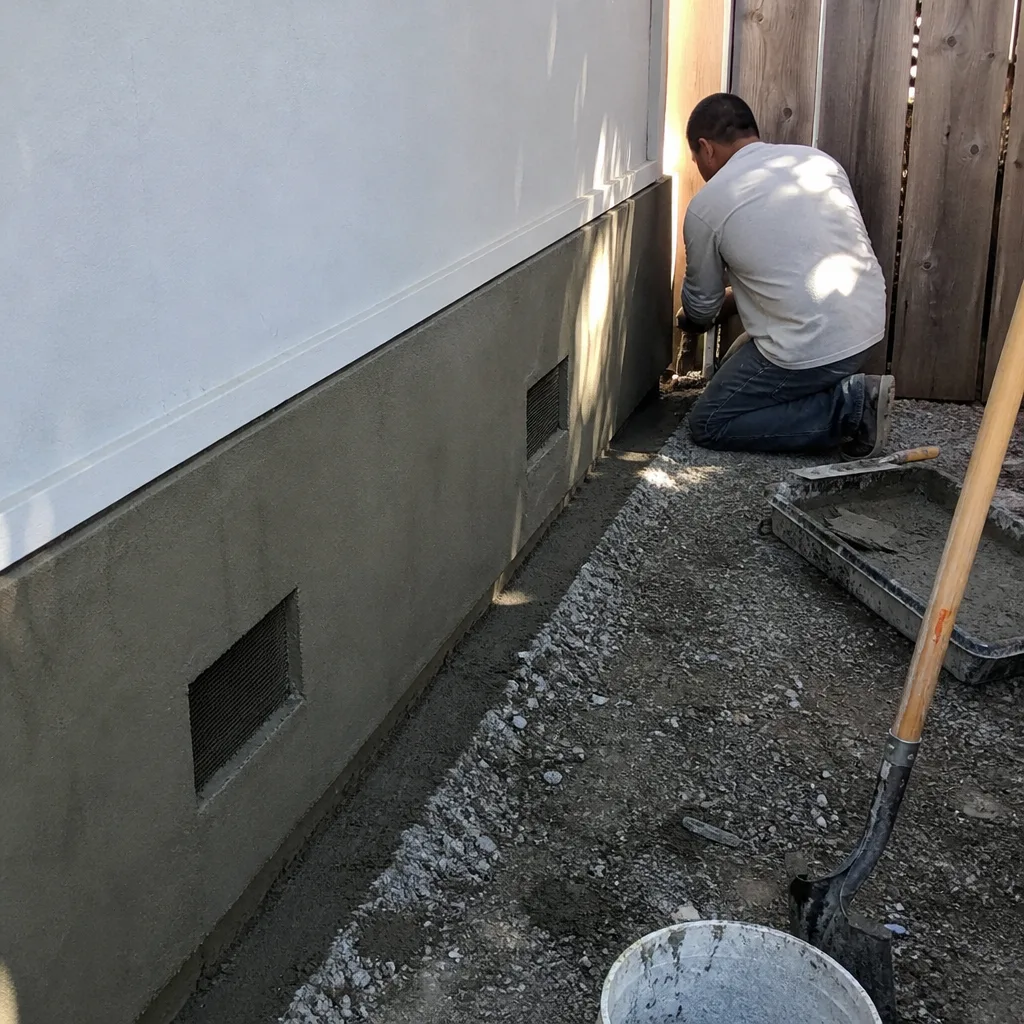 After
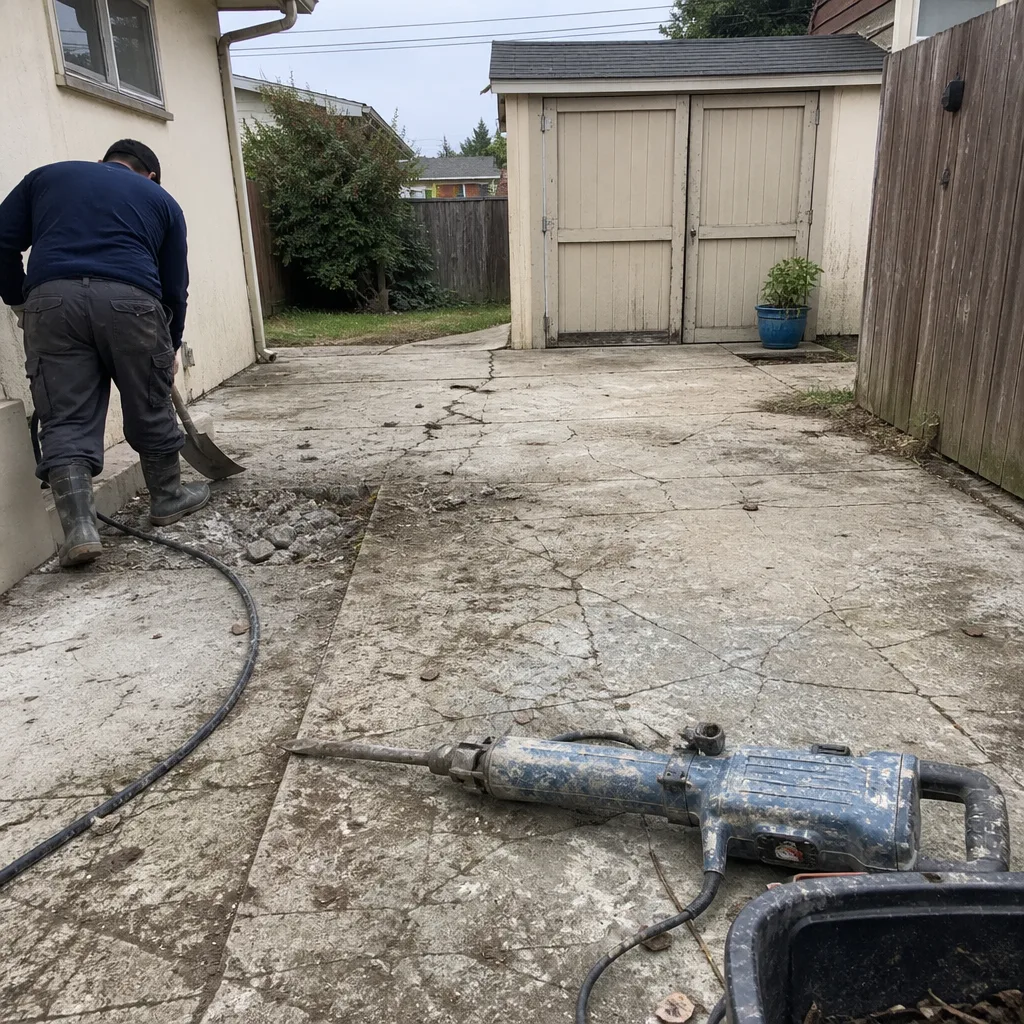 Before
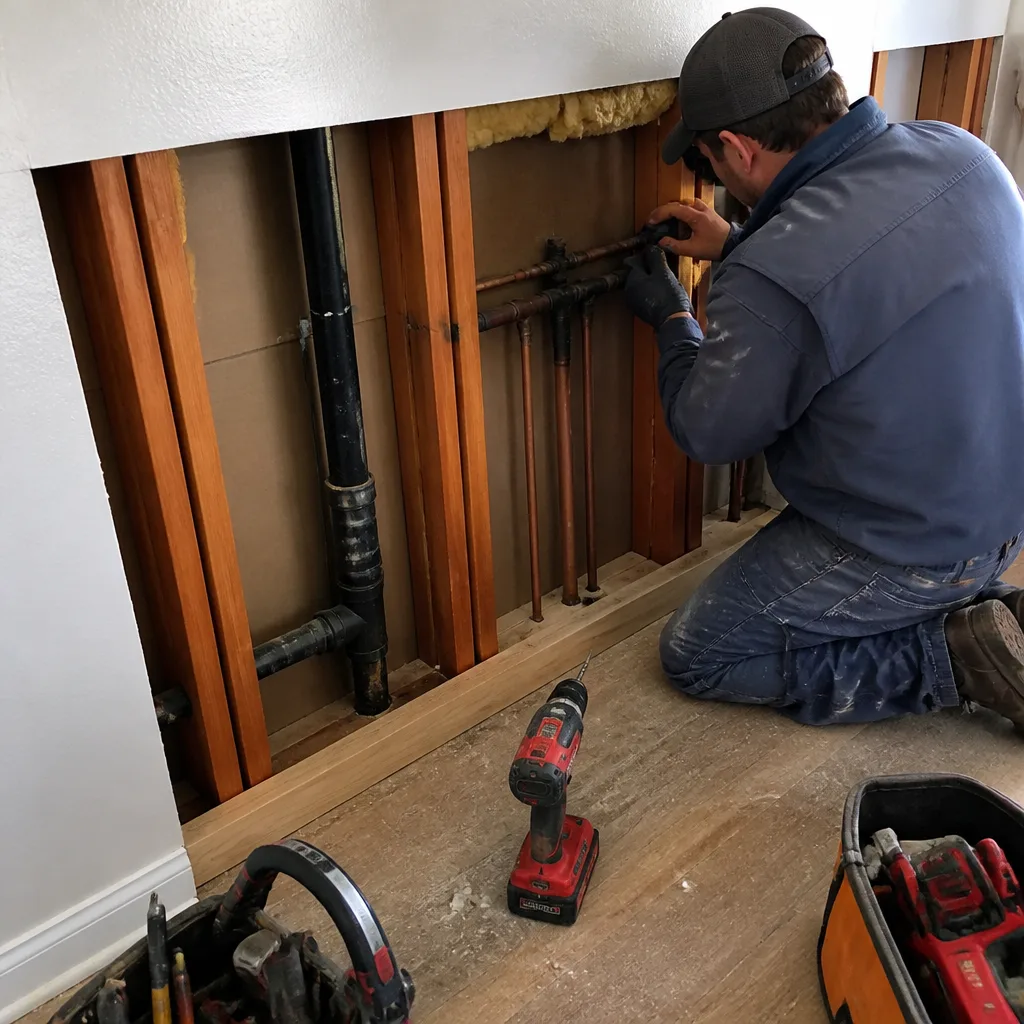 After
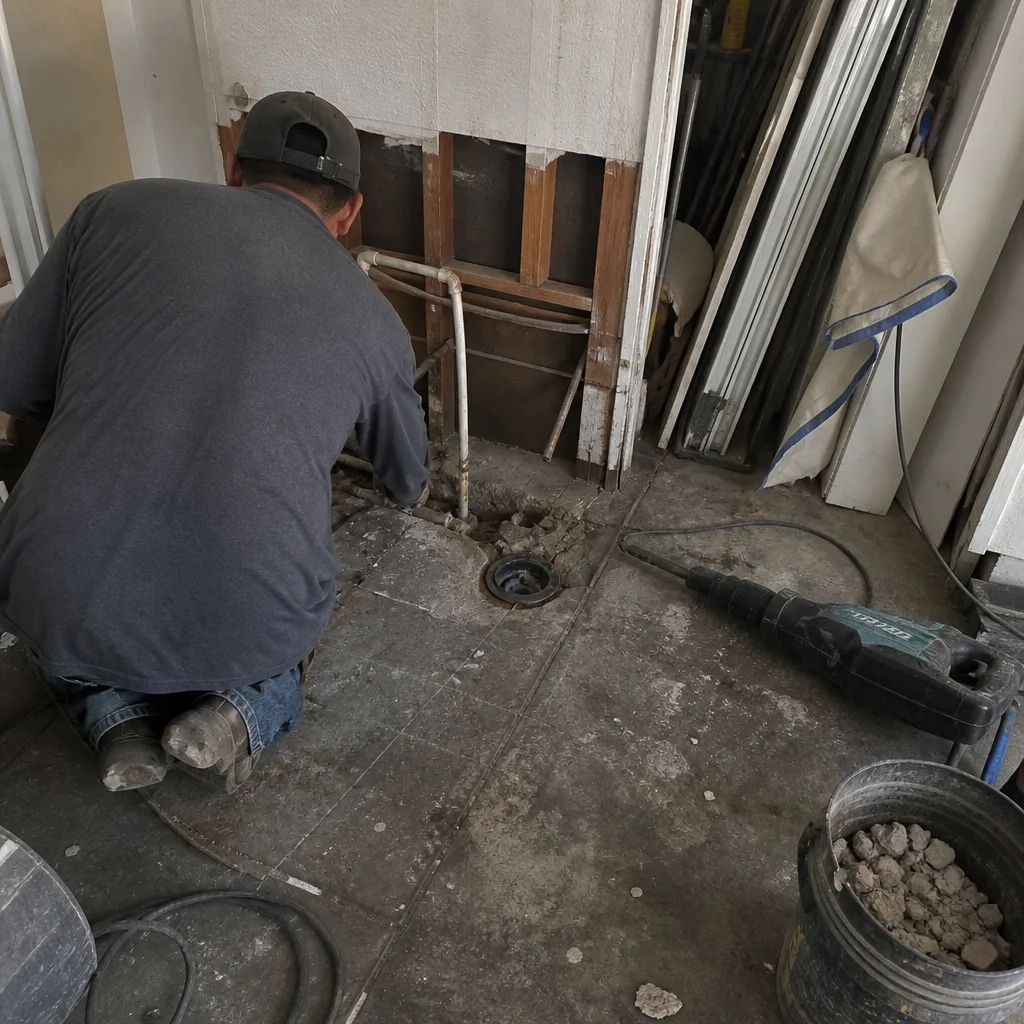 Before
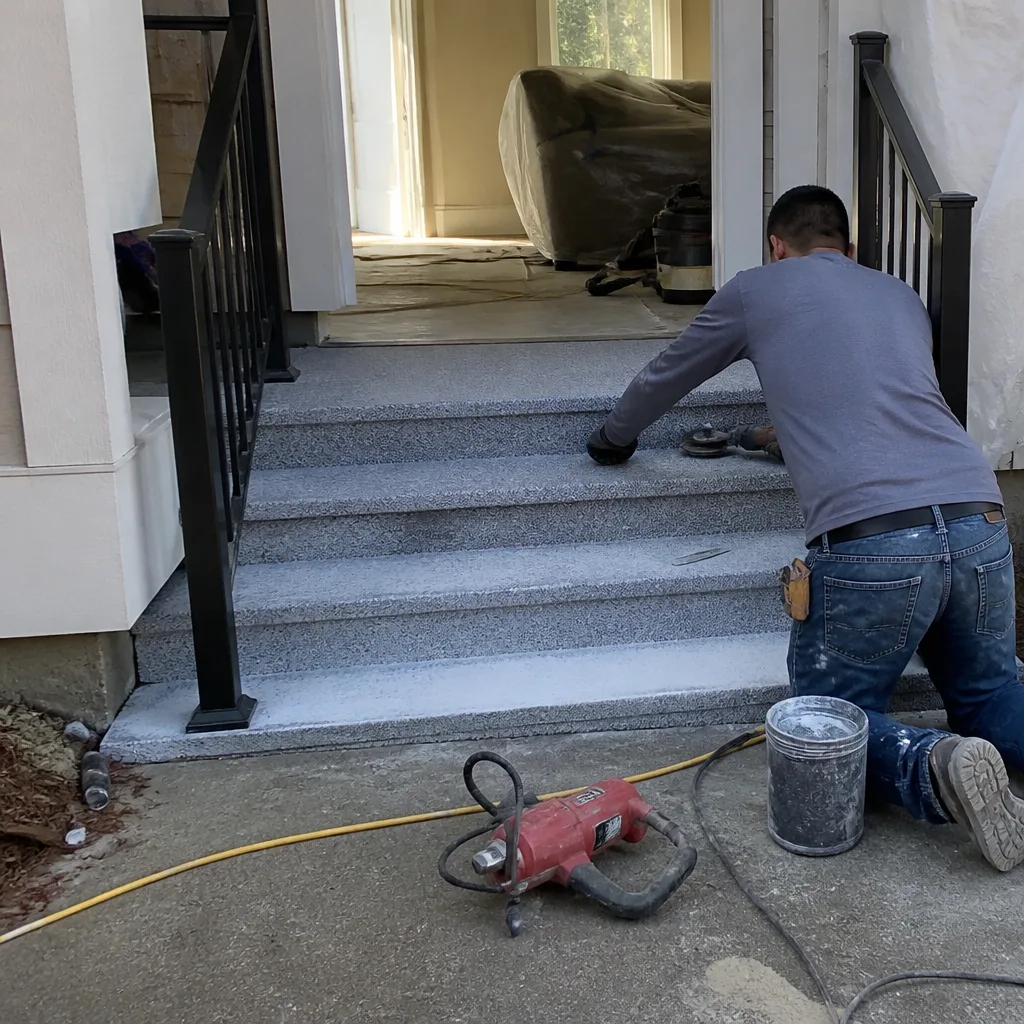 After