
Last updated October 30, 2026
 Home additions & ADU
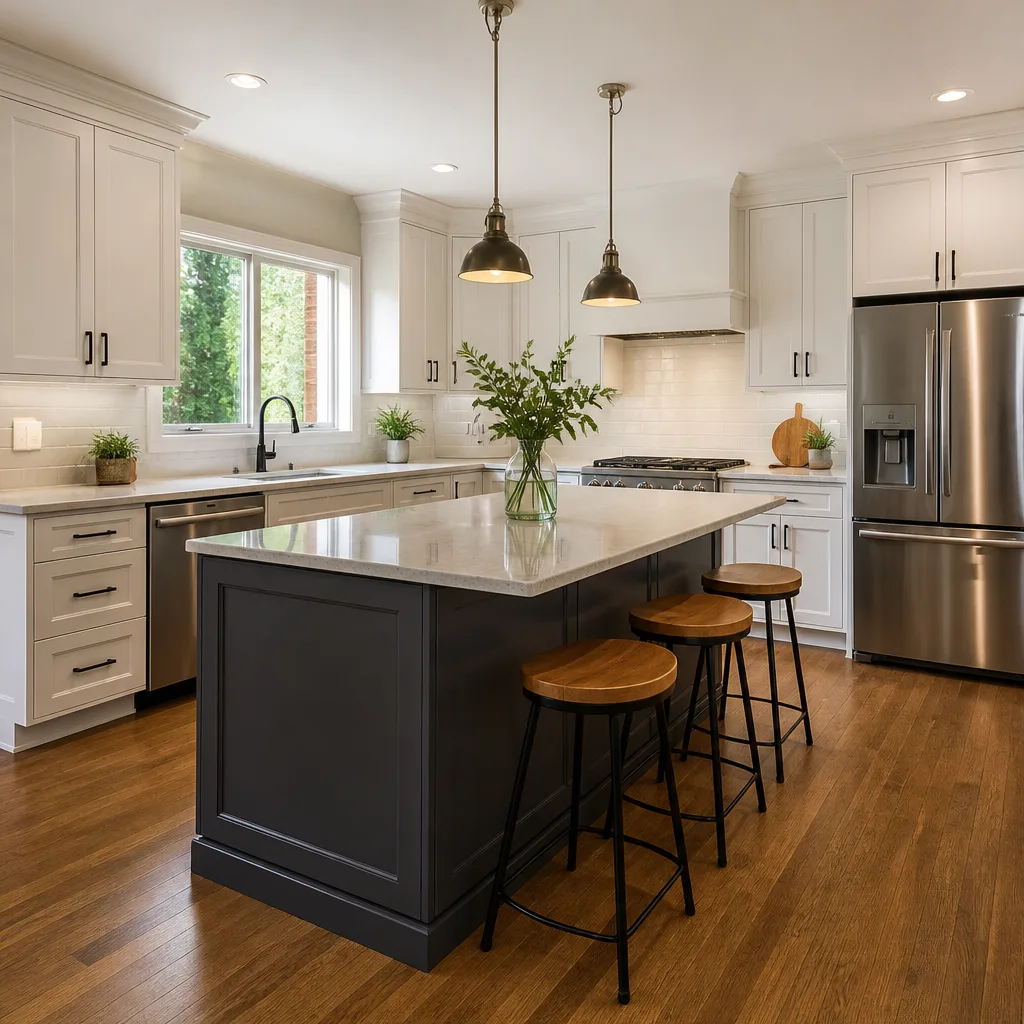 Kitchen remodeling
 Bathroom remodeling
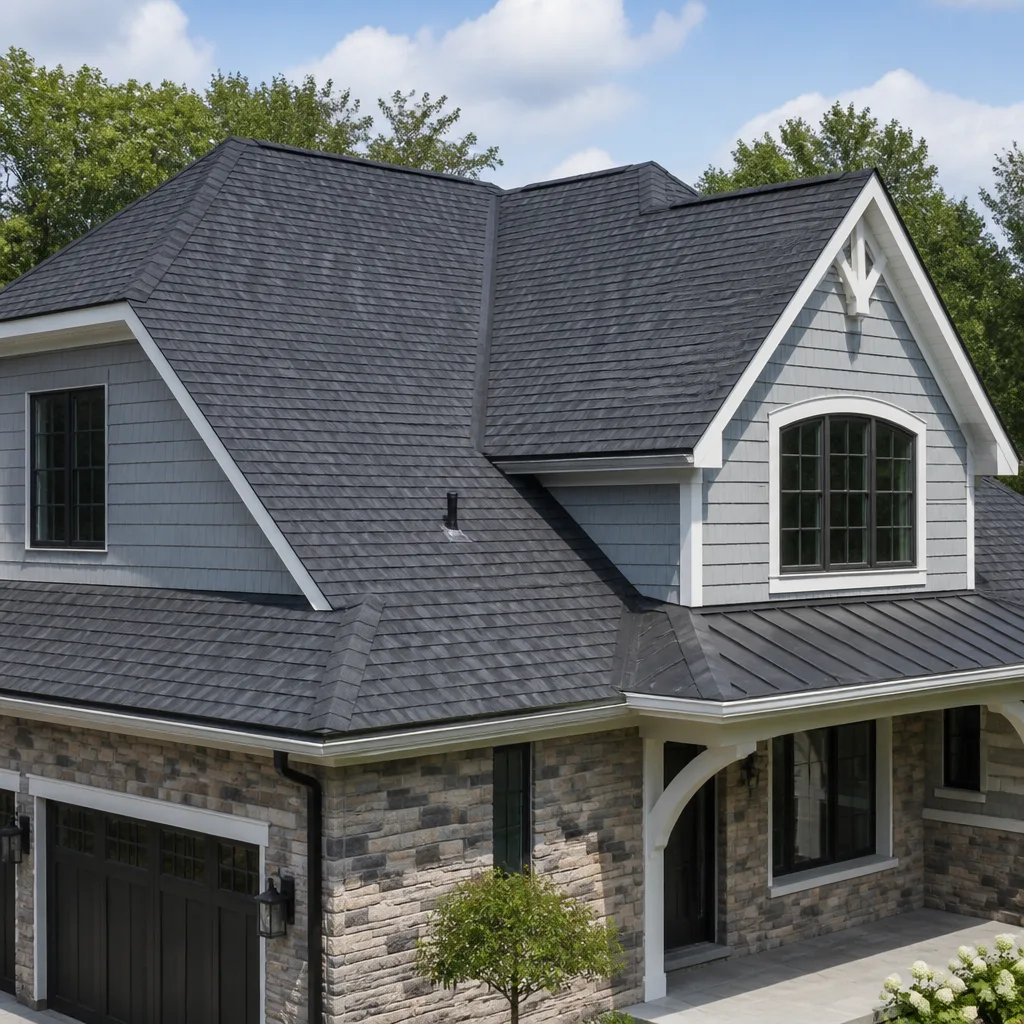 Roofing
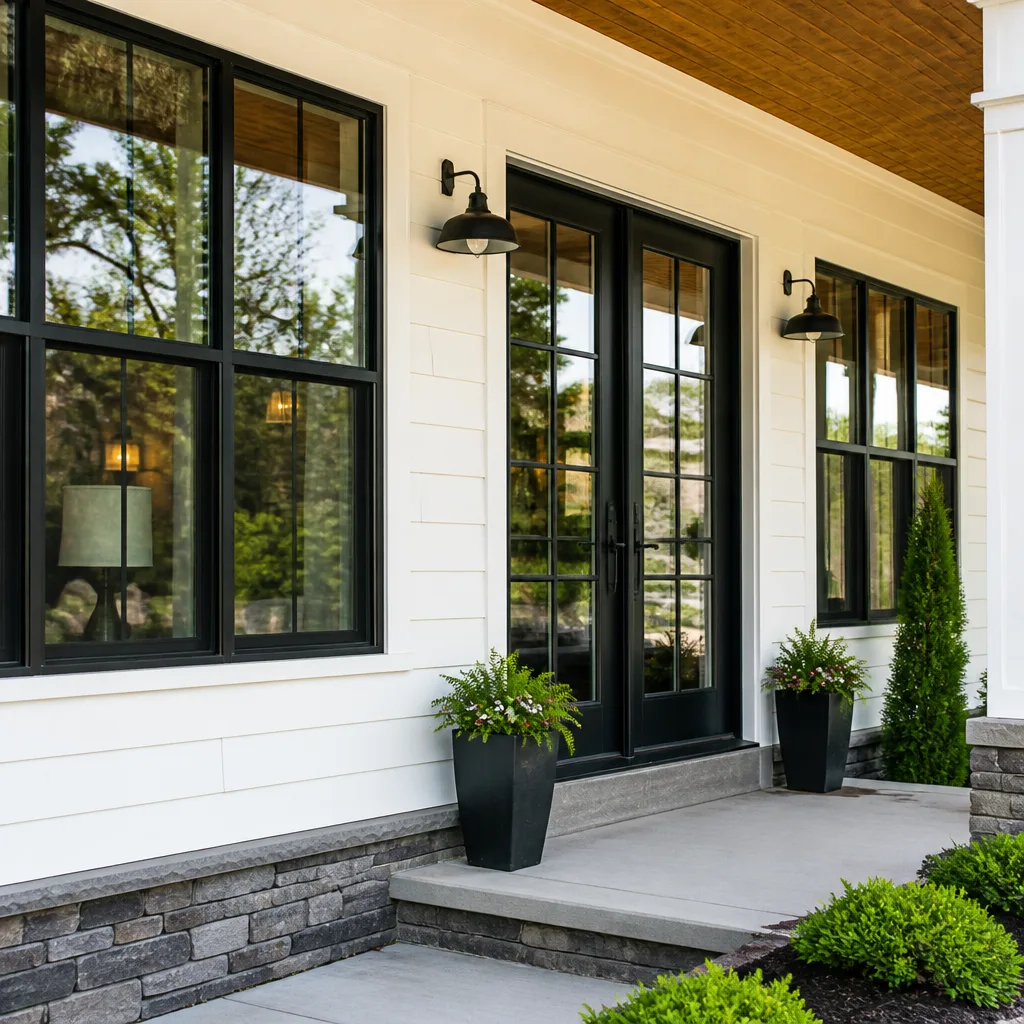 Windows & doors
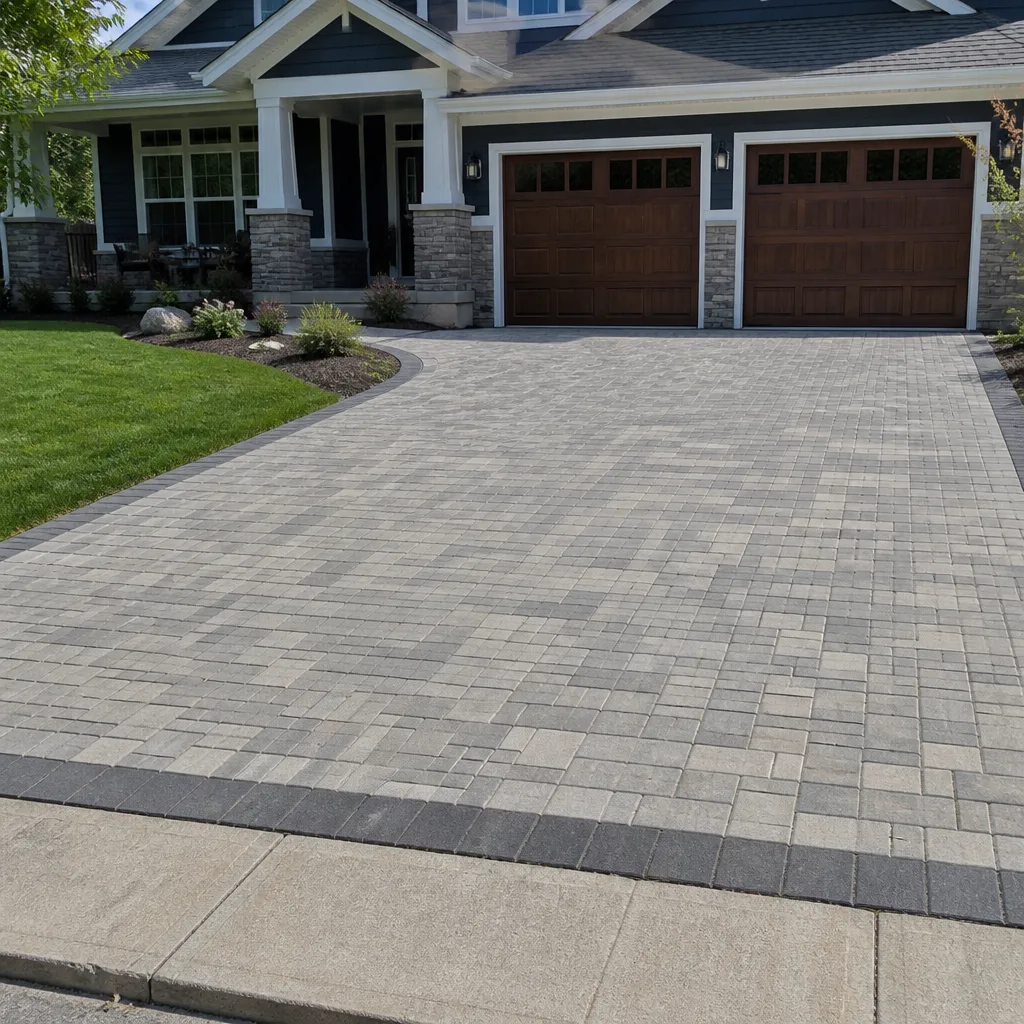 Driveway & pavers
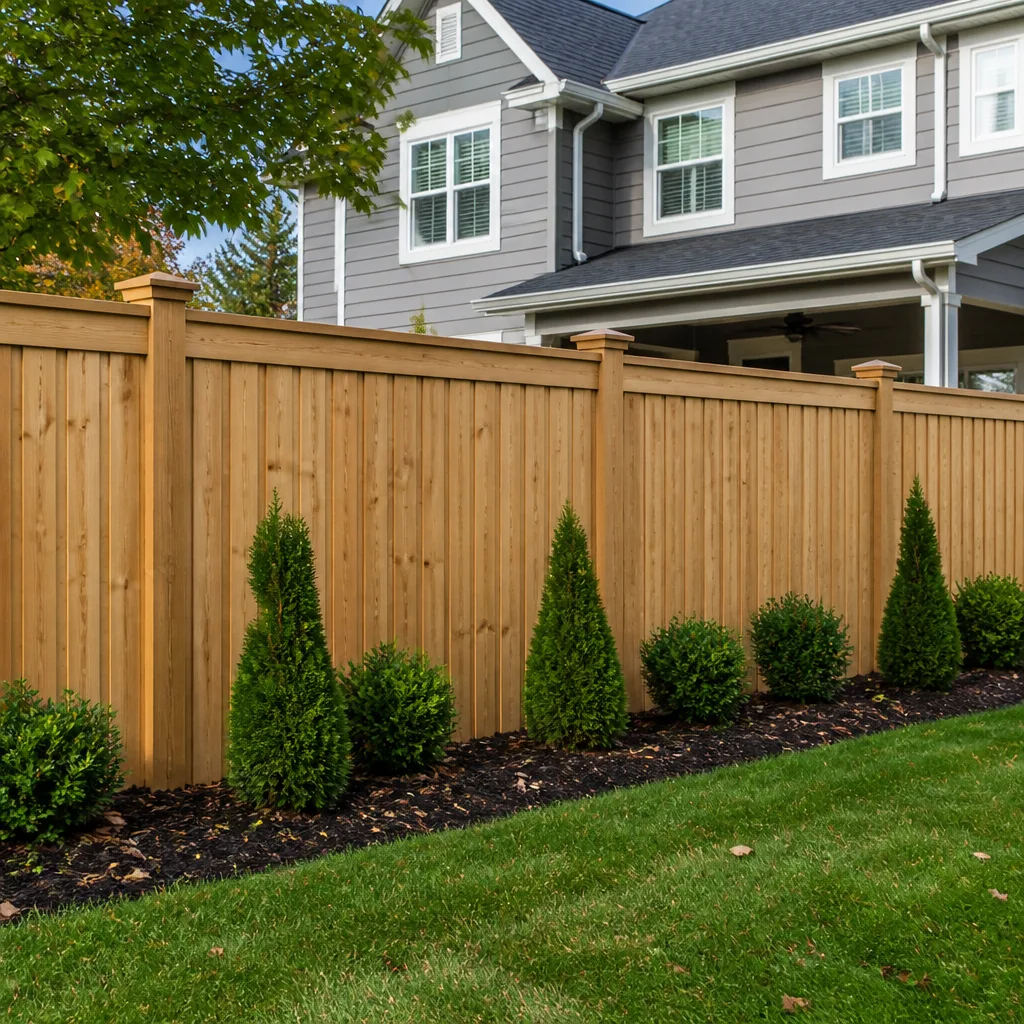 Fence
Free written scope consultation - allowances, timeline, and change-order rules on paper before a single trade is scheduled
The Complete General Contractor Guide for South San Francisco Homeowners
South San Francisco sits in a liquefaction hazard zone that triggers geotechnical review requirements most out-of-area remodeling guides never mention, and most homeowners discover this only after their permit application is rejected. That single fact changes who you should hire, how you should plan, and what your project will actually cost. This guide is built specifically around the decisions, codes, and contractors that actually govern projects in South San Francisco, from the Sign Hill slopes to the flatlands east of El Camino Real. You’ll learn how San Mateo County permitting really works, which projects demand General Contractor services under California law, how to read a CSLB license the way a building official does, and where homeowners in this city lose the most money.
Styles & brands we work with
Quick Answer
The complete general contractor guide for South San Francisco homeowners is this: most substantial residential projects here, from kitchen remodels that move walls to ADU additions on hillside lots, require a licensed general contractor who understands San Mateo County’s permitting workflow, liquefaction zone geotechnical requirements, and hillside structural conditions. A general contractor in South San Francisco should hold a valid California Class B license, carry workers’ compensation insurance for every worker on your property, and be able to show you exactly how they handle structural subcontractors before you sign anything. Local homeowners who skip the licensing and permitting diligence lose more money to change orders and rejected plans than they ever save on a lower bid.
Table of Contents
- What a General Contractor Actually Does in South San Francisco
- Which Projects Require a Licensed GC Under California Law
- Liquefaction Zones, Hillside Lots, and Why Soil Conditions Change Everything
- How San Mateo County Permitting Differs from San Francisco Proper
- How to Read a California Contractor State License Board Profile
- The Hiring Sequence: Where Homeowners Lose Money by Acting Too Late
- Material Selection: Why a Contractor’s Brand Network Matters in South San Francisco
- Single-Contractor Scope vs. Managing Multiple Specialty Subs
- Common Mistakes to Avoid
- When to Call a Professional
- Frequently Asked Questions
- The Bottom Line
What a General Contractor Actually Does in South San Francisco
A general contractor is the licensed entity that carries the legal and financial responsibility for coordinating every trade, pulling the correct permits, scheduling inspections, and delivering the finished project to code. In South San Francisco, that coordination burden is heavier than in most Bay Area cities. A typical whole-home renovation here might touch structural framing, roofing, windows, plumbing, electrical, insulation, drywall, finish carpentry, and exterior hardscape, and each of those scopes has its own inspection sequence with the city. The GC’s job is not to swing every hammer. The GC’s job is to make sure the right licensed trade is on site at the right time, the work passes inspection the first time, and the homeowner never has to translate between a plumber, an electrician, and a building official.
We think about it this way: a general contractor is the single point of accountability when a project spans three or more trades or when any part of the work touches the building envelope. If your project stays within one trade, a specialty contractor under a Class C license is legally sufficient and often cheaper. If the scope crosses trades, California license law and basic risk management both point to a general contractor. Our General Contractor in South San Francisco page breaks down the full scope of what a Class B license covers here.
South San Francisco adds a layer most cities do not. The city sits across multiple California Geological Survey hazard zones, and the building department applies geotechnical review requirements to a wider range of projects than neighboring cities do. A GC who has pulled permits in Burlingame but never in South San Francisco may not anticipate the soil report requirement on what looks like a straightforward room addition. That kind of local knowledge is not a marketing talking point. It is the difference between a permit issued in six weeks and a permit application that stalls for four months.
Which Projects Require a Licensed GC Under California Law
California Contractors State License Board rules draw a fairly clear line: any project that involves two or more unrelated trades requires a general building contractor with a Class B license. A specialty contractor with a Class C license may legally perform the work within their specific classification only. So a Class C-36 plumbing contractor can repipe your house. But the moment that repipe project also requires opening walls, reframing, drywall repair, and electrical relocation, the work has crossed into general contracting territory, and the plumber is legally required to either bring in a GC or be licensed as one.
- Single-trade projects (Class C): Roof replacement with no structural changes, repiping, electrical panel upgrade, HVAC replacement, fence installation. These can be handled by the appropriate specialty contractor.
- Multi-trade remodels (Class B): Kitchen remodels that move plumbing and electrical, bathroom renovations that touch framing, any project that opens exterior walls. These require a general building contractor.
- Additions and ADUs (Class B): Any square footage added to the home, including attached ADUs and detached accessory structures, requires a general contractor under a Class B license with the appropriate engineering oversight.
- Structural work (Class B plus engineering): Foundation repair, foundation replacement on hillside lots, shear wall installation, seismic retrofit. In South San Francisco’s liquefaction zones, many of these scopes also require geotechnical engineering input before the permit is even issued.
The key distinction for South San Francisco homeowners: the city’s hillside neighborhoods, including the streets climbing Sign Hill and the slopes above Westborough, frequently turn what looks like a single-trade job into a multi-trade structural project. A window replacement on a stucco home built in 1965 may require shear wall analysis, which requires a structural engineer, which pulls the project into general contracting territory. That is not overreach. That is the building code applied correctly.
Liquefaction Zones, Hillside Lots, and Why Soil Conditions Change Everything
South San Francisco is one of the few Bay Area cities where a large percentage of the residential land sits inside a California Geological Survey liquefaction hazard zone. Liquefaction means that in a major seismic event, saturated sandy soils lose their strength and behave like a liquid. Homes in the flatland neighborhoods east of 101, particularly around the former tidal marsh areas, sit on soils that require geotechnical evaluation before any structural addition, foundation work, or significant remodel can receive a permit. The city’s building department will not waive this requirement for a homeowner who asks nicely. It is mandated by state law and enforced at the local counter.
What this means practically for a homeowner planning a room addition or an ADU in South San Francisco: expect a soils report. Expect the geotechnical engineer to recommend either spread footings sized for liquefaction conditions or a pile system, depending on the specific soil profile. Expect the structural engineer to design the foundation based on those recommendations. And expect the general contractor to coordinate all three parties, the geotechnical engineer, the structural engineer, and the city reviewer, so the permit application does not bounce back multiple times.
Hillside lots add a second layer. Slopes above 15% grade trigger Hillside Development regulations in San Mateo County that restrict grading, require drainage plans, and sometimes mandate retaining wall engineering even for projects that do not touch the foundation directly. A GC who works regularly in South San Francisco knows which hillside streets most frequently require these reviews. Names like Crestview, Alta Vista, and the streets above South San Francisco High School come up in our experience. A GC who works mostly in Foster City or Redwood City may never have encountered a liquefaction-triggered soils requirement at all.
Our Home Renovation in South San Francisco page covers how we approach these soil and hillside conditions as part of any structural scope. The short version: we will not bid a structural project in the flatlands east of 101 without a conversation about geotechnical review, because we know it is coming whether the homeowner understands it yet or not. It is the difference between a surprise and a planned line item.
How San Mateo County Permitting Differs from San Francisco Proper
San Francisco building permits are processed by the San Francisco Department of Building Inspection under a city-specific code framework with its own quirks and a famously slow review backlog in certain divisions. South San Francisco processes permits through the city’s own Building Division, but the city sits within San Mateo County, which shapes everything from the plan check routing to the inspection scheduling flow. Homeowners who have remodeled in San Francisco and assume South San Francisco works the same way are usually surprised in two ways.
First, South San Francisco’s permit timeline is generally faster for simple remodels than San Francisco’s, but the front-end requirements are stricter in specific areas. The liquefaction-triggered geotechnical review is one example. Hillside drainage review is another. San Francisco’s sloped lots are legendary, but the city handles hillside code through a different administrative lens than South San Francisco does under San Mateo County’s more uniform application of the California Building Code.
Second, San Mateo County’s building officials tend to apply energy code and water conservation requirements with less variance than San Francisco’s, which means your GC needs to know which Title 24 compliance path is accepted locally before the plans go in. A common failure point: homeowners or designers prepare plans that meet San Francisco’s interpretation of energy code, submit them in South San Francisco, and receive a correction letter asking for a different compliance approach. A local general contractor catches that before submission because they have seen it a dozen times.
We recommend homeowners ask any prospective GC two questions about permitting: how many permits have you personally pulled in South San Francisco in the last 24 months, and which city staff member do you call when a plan check comment is unclear. The second question separates local knowledge from generic competence. We have built our permitting workflow around the city’s actual process, not a generalized Bay Area assumption. It matters here.
How to Read a California Contractor State License Board Profile
The CSLB website gives you more than a license number. It gives you the legal history of a contractor’s ability to work in this state. Here is how to read it correctly, because most homeowners check the number exists and stop there.
- License status and issue date: A current license means the contractor has renewed, paid the bond, and remains in good standing. An expired license means the contractor cannot legally bid or work in California. Check this every time, not just at the first meeting.
- Workers’ compensation insurance: This is the single most important field on the profile. If a contractor does not carry workers’ comp and a worker is injured on your property, the homeowner’s insurance policy often becomes the target. South San Francisco code enforcement and plan check staff will not verify this for you. You verify it yourself.
- License classification: Confirm the license is Class B, General Building, for multi-trade work. A Class C contractor with a specialty license cannot legally run a whole kitchen remodel. We have seen homeowners in South San Francisco sign with a C-54 tile contractor for a bathroom renovation that required plumbing relocation, and the permit was rejected outright.
- Contractor bond amount and surety company: The bond is a $25,000 guarantee to consumers, not an insurance policy. If the contractor walks off the job and you win a judgment, the bond pays up to $25,000. That sounds like a lot until you price a half-finished kitchen. Bond amount is a floor, not a safety net.
- Enforcement actions and complaints: The CSLB profile lists formal enforcement actions, including license suspensions and revocations. A contractor who has been disciplined for abandoning projects should not be in your home. This information is public and free.
We tell every South San Francisco homeowner the same thing: ask for the license number, look it up on the CSLB website while you are on the phone with the contractor, and verify the workers’ comp status before signing. A legitimate GC expects this. A GC who bristles at the request is telling you something. Millwright Builders operates as a licensed general contractor, and we are glad to provide our license details for verification at any point in the conversation. Call (866) 925-0334 and ask us directly.
The Hiring Sequence: Where Homeowners Lose Money by Acting Too Late
Most South San Francisco homeowners call a general contractor too late. They sketch ideas, hire a designer or architect, maybe run the plans through a first round of city comments, and only then start talking to GCs. By that point, the design is often locked into decisions that the contractor cannot change without a redesign fee, and the city’s comments may already reflect a lack of constructability review. The money lost shows up as change orders, plan revision fees, and months of delay.
The correct sequence in South San Francisco looks like this:
- Feasibility conversation with a local GC first: Before design, before drawings, before anything formal. The GC tells you what the city will require for your specific lot. Liquefaction review? Hillside drainage? Historic district overlay? This 60-minute conversation saves months.
- Design with constructability input: Your designer and your GC should speak to each other. The designer specifies the space. The GC flags the construction realities: where the plumbing stack can actually run, whether that cantilever works on your soil type, what the city will say about that window size.
- Permit submission by the GC or a permitting consultant working with the GC: The GC knows which review paths the city uses, which drawing details South San Francisco plan checkers flag most often, and how to respond to comments without triggering a re-review cycle.
- Construction with a single accountable entity: The GC runs the trades, the inspections, and the schedule. The homeowner receives updates in plain English rather than coordinating a plumber, electrician, and tile setter themselves.
- Final inspection and closeout documentation: The GC walks the final inspection with the city inspector, clears every correction, and delivers the warranty and product documentation the homeowner needs for future maintenance.
Homeowners who invert this sequence, by hiring the GC only after the plans are set, pay more for less control. It is the most expensive mistake in South San Francisco residential construction, and it is completely avoidable. Our Home Remodeling in South San Francisco page describes how we run this sequence for remodels of every size.
We want to be direct about one thing: a good general contractor is not a bidder at the end of a design process. A good GC is a partner from the start. The homeowners who understand that get better projects for less money. The homeowners who treat the GC as a commodity to be price-shopped at the last minute get exactly the project they pay for.
Material Selection: Why a Contractor’s Brand Network Matters in South San Francisco
Most general contractor advice stops at licensing, insurance, and references. Those are the floor. What separates a capable GC in South San Francisco from a truly strong one is the material network they can actually access and install. A GC who hands you a thin catalog of two cabinet lines and one countertop option is limiting your project before it starts. A GC with relationships across 50+ name-brand manufacturers gives you the option set a complex renovation deserves.
Millwright Builders sources and installs materials from a curated network spanning cabinetry, countertops, roofing, windows, doors, plumbing fixtures, fencing, hardscape, siding, and prefab structures. That includes cabinetry from KraftMaid and Wellborn, quartz surfaces from Cambria and Caesarstone, roofing from GAF and Owens Corning, windows and doors from PGT and Therma-Tru, fencing from Master Halco and Ameristar, and hardscape from Belgard and Techo-Bloc. Toto and Delta are part of the plumbing fixture conversation when a homeowner wants design-grade options that will still function flawlessly a decade from now. Every product we install, we’ve vetted, not just stocked.
Why does this matter for a South San Francisco homeowner planning a kitchen remodel or a full exterior replacement? Because the coastal Bay climate punishes cheap materials faster than inland climates do. Salt air, fog, and wind-driven rain shorten the lifespan of low-grade siding and hardware. The product choice is not aesthetic only. It is a durability decision, and your contractor should be able to explain the trade-off between product lines in plain English. We specify the brand, explain the trade-off, and stand behind the install. Built to the material’s standard, not just to code.
For ADUs and prefab structures, the brand network matters even more. Millwright works with ADU brands including Abodu, Dvele, Mighty Buildings, and Boxabl. Most conventional remodelers cannot even access these product lines. For a homeowner on a South San Francisco lot where an ADU makes financial sense, that capability is the difference between a custom ground-up build and a factory-built structure installed in a fraction of the time. The city’s ADU permit pathway has become significantly faster in recent years, but only if the structure meets the pre-approved parameters the city expects. A GC who has never installed a prefab ADU before is learning on your lot, at your expense.
Single-Contractor Scope vs. Managing Multiple Specialty Subs
Some South San Francisco homeowners believe they can save money by hiring a separate contractor for each trade: one for roofing, one for windows, one for the kitchen, one for the patio. In rare cases, for truly isolated scopes, that works. For most substantial renovations, it costs more money and more time. Here is why.
Every time a new contractor steps onto a job site, the homeowner becomes the general contractor. That means the homeowner is responsible for sequencing: making sure the roofer finishes before the drywall crew starts, making sure the electrician roughs in before the insulation goes up, making sure the window company’s install does not void the siding warranty when the siding company arrives later. Most homeowners have full-time jobs. They cannot run a job site, and construction schedules do not wait for a homeowner’s calendar.
Then there is the warranty problem. When a roof leaks and the roofer blames the window installer and the window installer blames the roofer, the homeowner has no single point of accountability. The money paid for the project is gone, and the repair fight is just beginning. A single general contractor carries the whole warranty and the whole accountability. One call, one conversation, one entity responsible for making it right.
Millwright Builders operates across the full built environment of a home. From the roofline to the back patio, one contractor, one conversation. That includes interior remodeling, roofing, windows and doors, fencing, and hardscape, all under one general contracting license and one contract. Your renovation should not require you to become a project manager. If a contractor’s proposal makes you feel like the project manager, that is the wrong contractor for your project.
We want to acknowledge the counterpoint honestly: some projects are genuinely single-trade, and for those, a good specialty contractor is the right choice, and cheaper. A roof replacement on a simple gable roof with no structural changes. A fence replacement along a flat property line. A water heater swap. For those scopes, hire the best specialty contractor you can find. For everything else, the general contractor model exists precisely because coordination failure is the most expensive failure in construction. Our Millwright Builders home page gives you a clear view of our full-scope approach.
Common Mistakes to Avoid
These are the specific mistakes we see South San Francisco homeowners make again and again. Each one is avoidable with the right information at the right time.
- Hiring a GC after the plans are already drawn: You lock in design decisions without constructability input, then pay for the redesign when the city or the contractor flags the problem. Hire the GC at feasibility stage, before design begins.
- Checking the CSLB license number once and never again: Licenses lapse, workers’ comp policies expire, and bonds get canceled. Verify before signing, and verify again before the project starts.
- Assuming South San Francisco permitting works like San Francisco: The liquefaction zone review, hillside grading rules, and San Mateo County code interpretation all differ. A GC with only San Francisco experience will learn these differences on your project.
- Not budgeting for geotechnical review: If your lot sits east of 101 or on a hillside above 15% grade, plan for a soils report as part of any structural addition or ADU. This is a state-mandated review, not an optional extra.
- Comparing bids on price alone without comparing scope: A lower bid usually means excluded scope, cheaper materials, or both. The bid that lists every line item and every product selection is the one that protects you from change orders later.
- Managing multiple specialty subcontractors on a multi-trade remodel: You save a little money on GC markup and spend far more on coordination failures, scheduling gaps, and warranty fights. The math rarely works in the homeowner’s favor.
- Choosing materials without understanding the climate: South San Francisco’s fog, salt air, and wind-driven rain punish cheap siding, hardware, and roofing faster than inland climates. Your contractor should explain which product lines survive here and which ones fail early.
When to Call a Professional
Call a licensed general contractor when your project spans multiple trades, touches the building envelope, or requires structural work in a liquefaction or hillside zone. That includes kitchen remodels that move plumbing, bathroom renovations that change the footprint, room additions, ADUs, full exterior replacements, and any project where you would otherwise be coordinating three or more subcontractors yourself. South San Francisco’s permitting and geotechnical landscape makes professional GC involvement more important here than in most Bay Area cities. If your project triggers a soils report, a hillside drainage review, or a structural engineering recommendation, do not attempt to manage it without a general contractor. The cost of a GC is protection against the far larger cost of a failed permit, a structural correction, or an uninsured worker injury on your property. Millwright Builders offers free estimates in South San Francisco, call (866) 925-0334 to talk through your project before you make any other decisions.
Frequently Asked Questions
General contractor fees in South San Francisco typically run 15% to 25% of the total project cost, depending on the scope, the level of material specification involved, and whether the project requires structural coordination with geotechnical and structural engineers. For a $150,000 kitchen remodel, that means GC fees of roughly $22,500 to $37,500. That fee buys coordination, liability protection, permit management, and a single accountable entity, which is usually less than the cost of coordination failure on a multi-trade project. Call (866) 925-0334 for a specific quote, our estimates are free.
Yes, any kitchen remodel that moves plumbing, electrical, or walls requires a building permit from the city of South San Francisco. Countertop and cabinet replacement within the same footprint may not require a permit if no plumbing or electrical is touched, but moving a sink, adding circuits, or removing a wall always does. Your general contractor should pull the permit in their name and carry the responsibility for passing final inspection.
California law allows a homeowner to act as owner-builder on their own primary residence, which means you can pull permits and hire subcontractors without a GC license. The problem in South San Francisco is that you assume all the liability of a general contractor, including workers’ compensation responsibility for every worker on your site, without the experience to manage it. Most homeowners who try owner-builder on a multi-trade remodel end up paying more than a GC would have cost once schedule and coordination failures are counted.
For a straightforward kitchen or bathroom remodel with no structural changes, expect 4 to 8 weeks from permit submission to issuance in South San Francisco. For projects requiring geotechnical review, hillside drainage approval, or structural engineering review, expect 10 to 16 weeks. A local GC who knows the city’s comment patterns can often shorten that timeline by submitting plans that pass first-round review the first time.
A liquefaction zone is an area where saturated soils can lose strength during a major earthquake, causing foundation movement and structural damage. Large portions of South San Francisco, particularly the flatlands east of Highway 101 on former bay fill, sit inside a California Geological Survey liquefaction hazard zone. You can check the state’s interactive hazard map online, and your GC should check it before bidding any structural scope.
It should not, provided your general contractor wrote a complete line-item scope of work before the contract was signed. Change orders happen when the scope is incomplete, when hidden conditions are discovered during demolition, or when the homeowner changes their mind mid-project. A good GC in South San Francisco will flag likely hidden-condition risk areas, like old foundation issues on hillside homes, before construction starts so those costs are anticipated rather than surprising. Ask for a written line-item scope and a change order policy before you sign anything.
The Bottom Line
South San Francisco is a uniquely demanding city for residential construction. The liquefaction zones, the hillside lots, the San Mateo County permitting flow, and the climate all shape what a good general contractor must know to protect you from costly mistakes. A licensed Class B GC with local permit experience, verified workers’ comp, and a broad material network is not an optional upgrade. It is the baseline for a project that passes inspection, holds its warranty, and stays on budget. Start early, check the CSLB profile carefully, and choose a contractor who treats material selection and structural coordination as core competencies rather than afterthoughts. Call (866) 925-0334 to schedule a free estimate, and we will help you think through your project from the first conversation.
Written by the team at Millwright Builders, serving South San Francisco since 2014.
See the difference
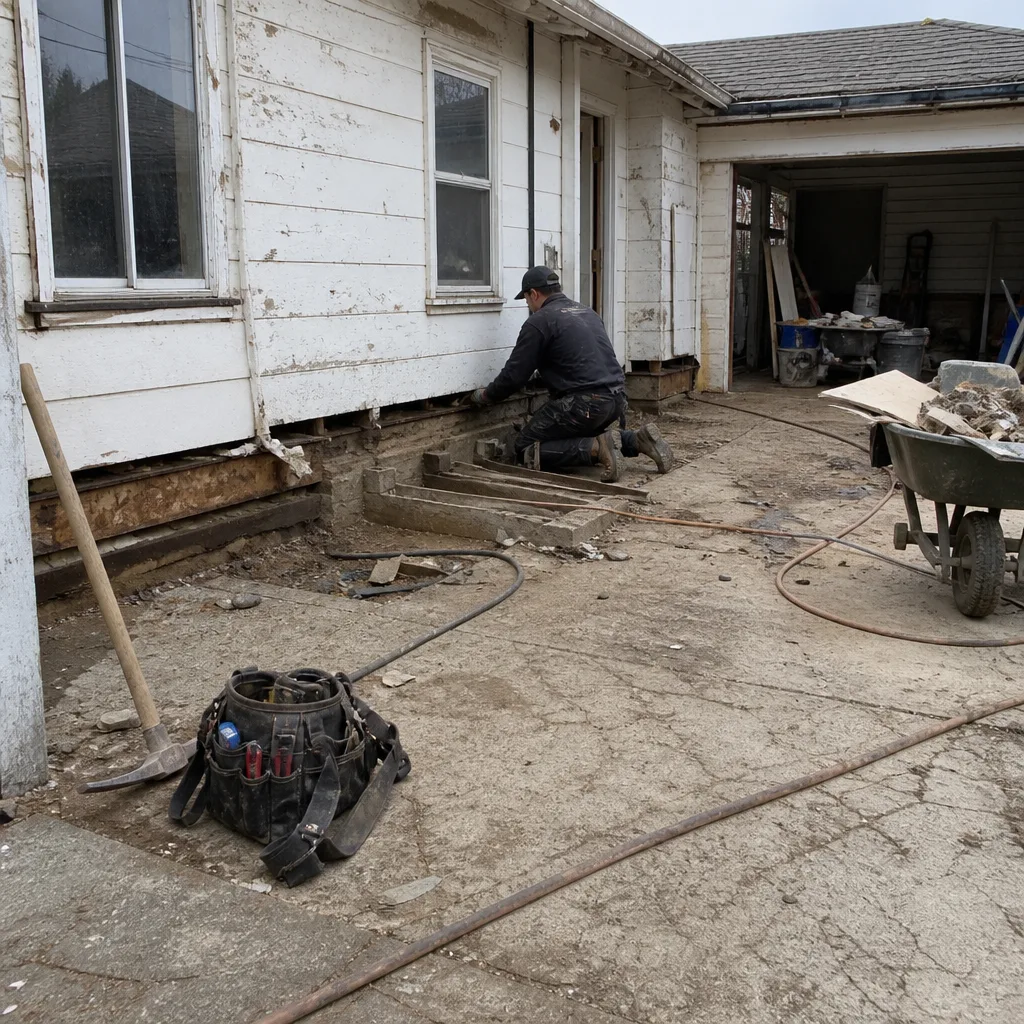 Before
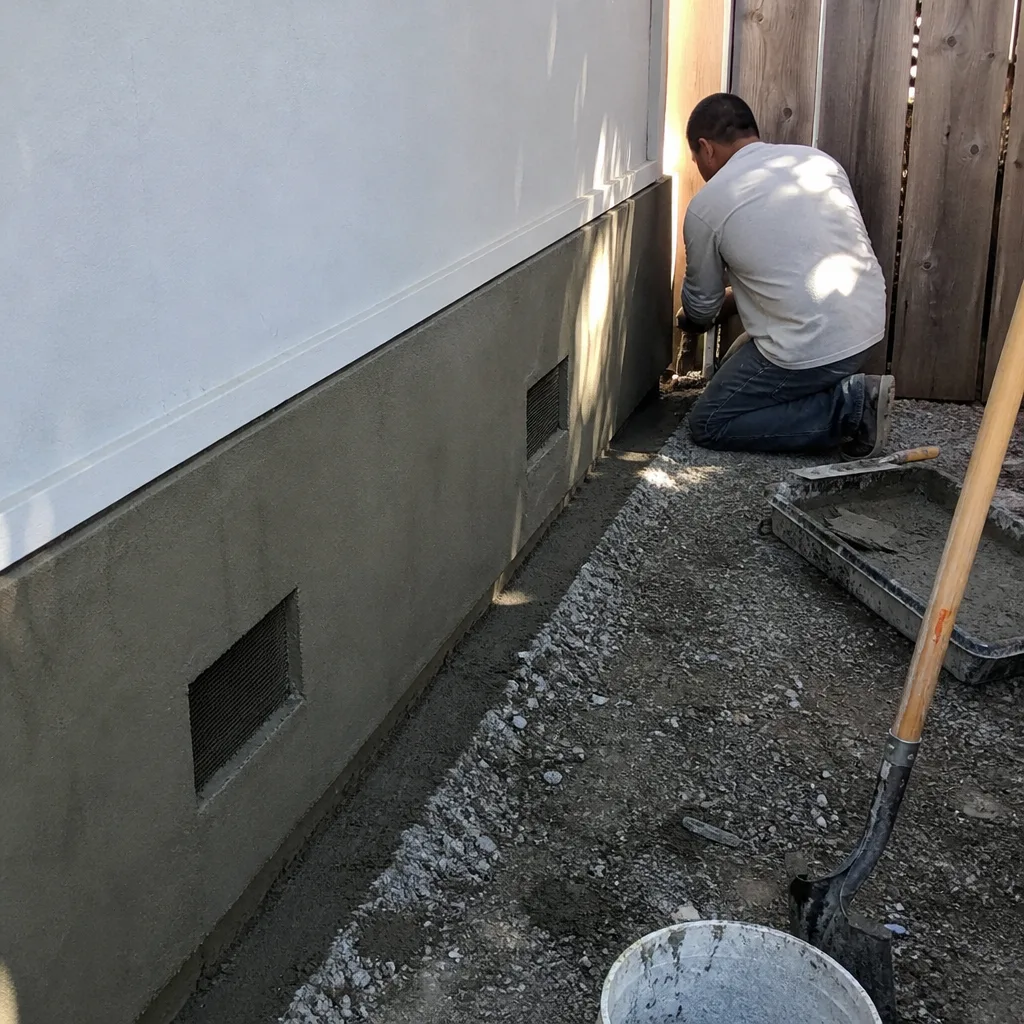 After
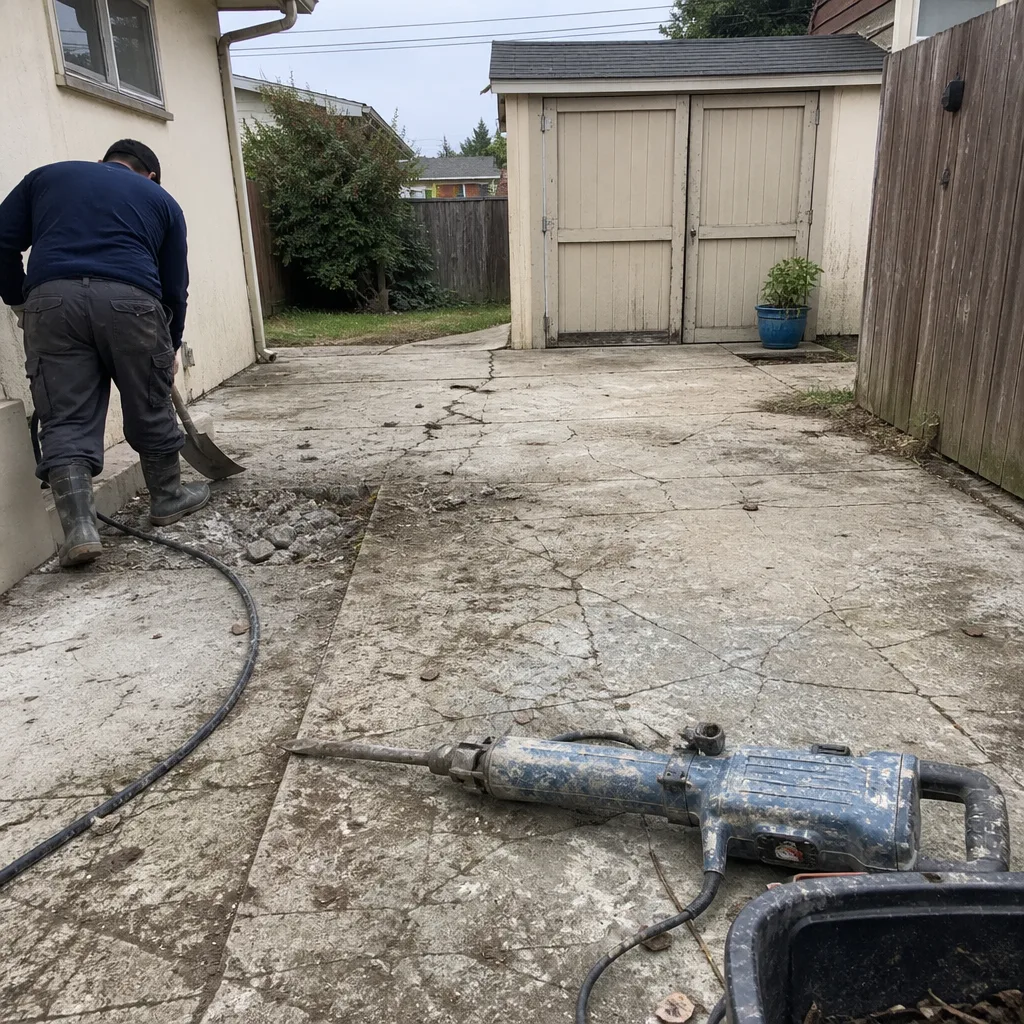 Before
 After
 Before
 After