
Last updated October 30, 2026
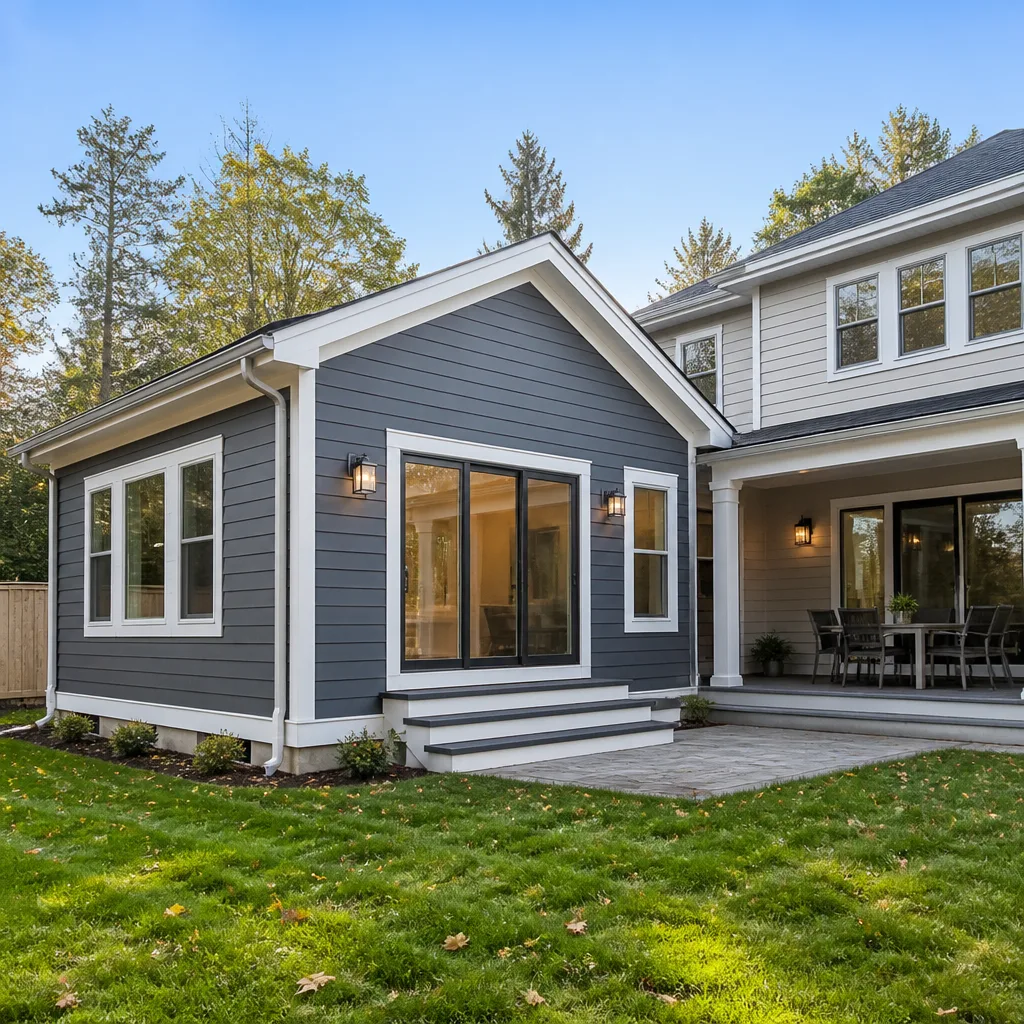 Home additions & ADU
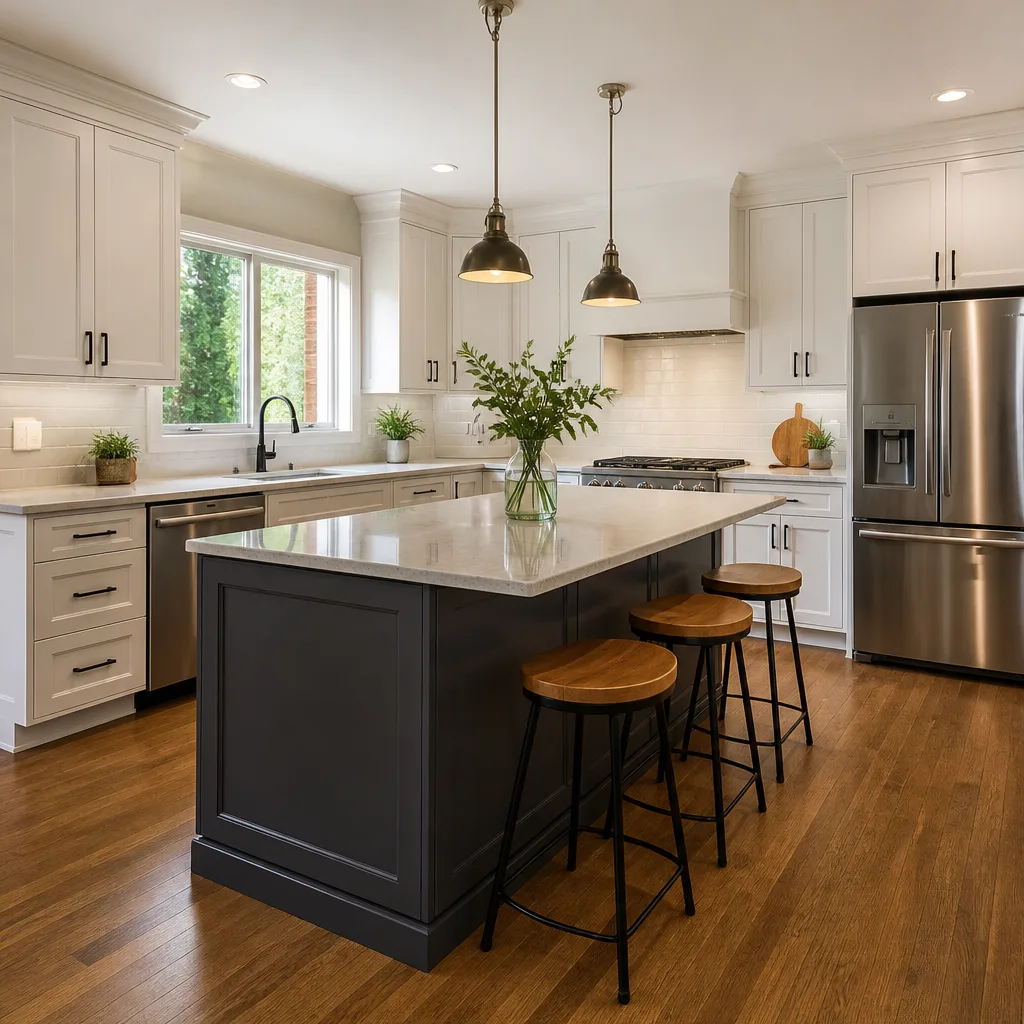 Kitchen remodeling
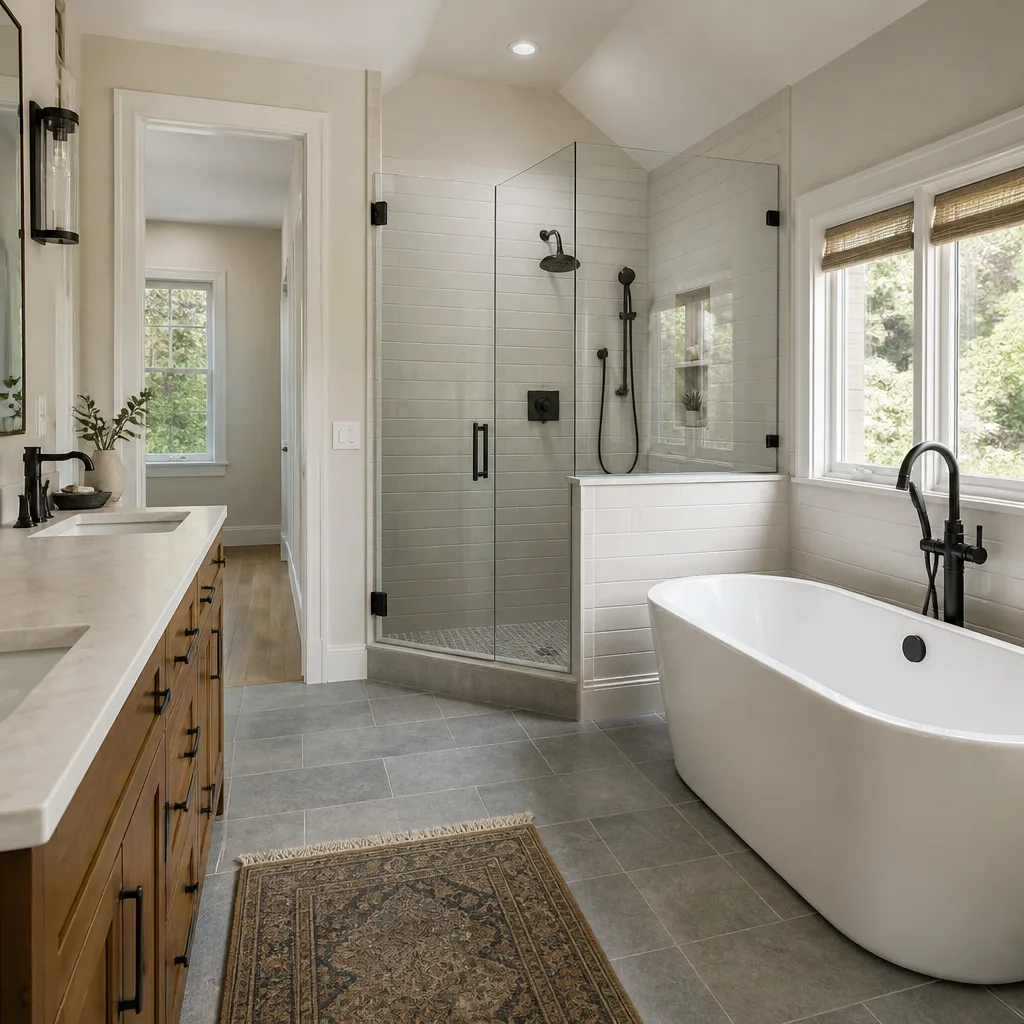 Bathroom remodeling
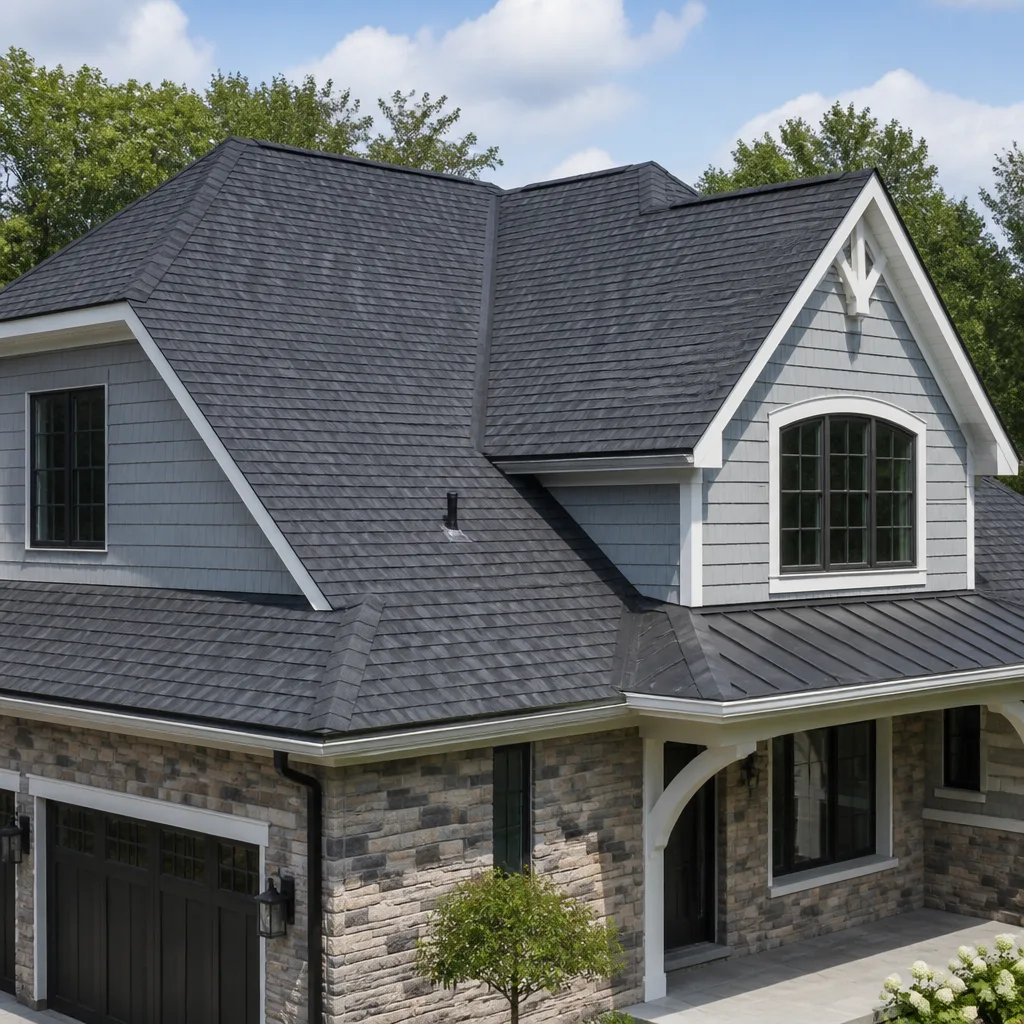 Roofing
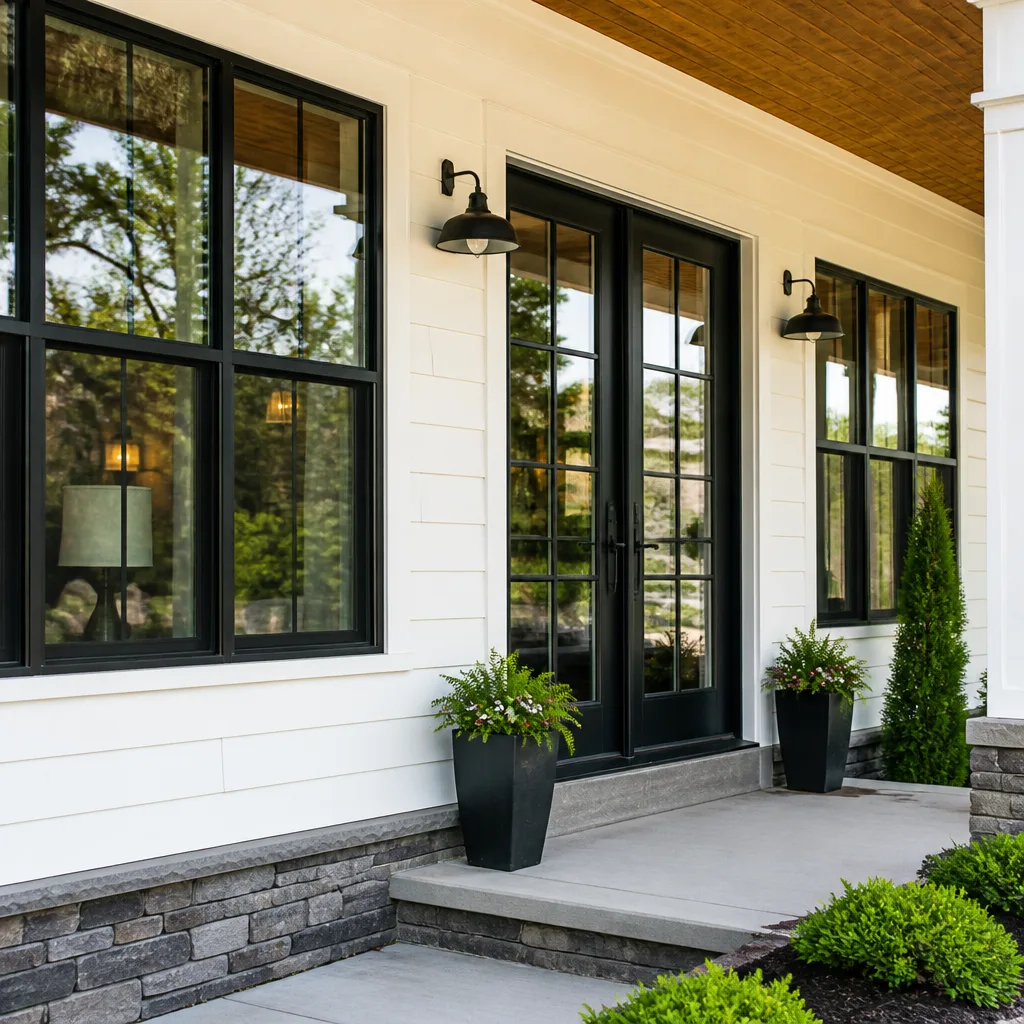 Windows & doors
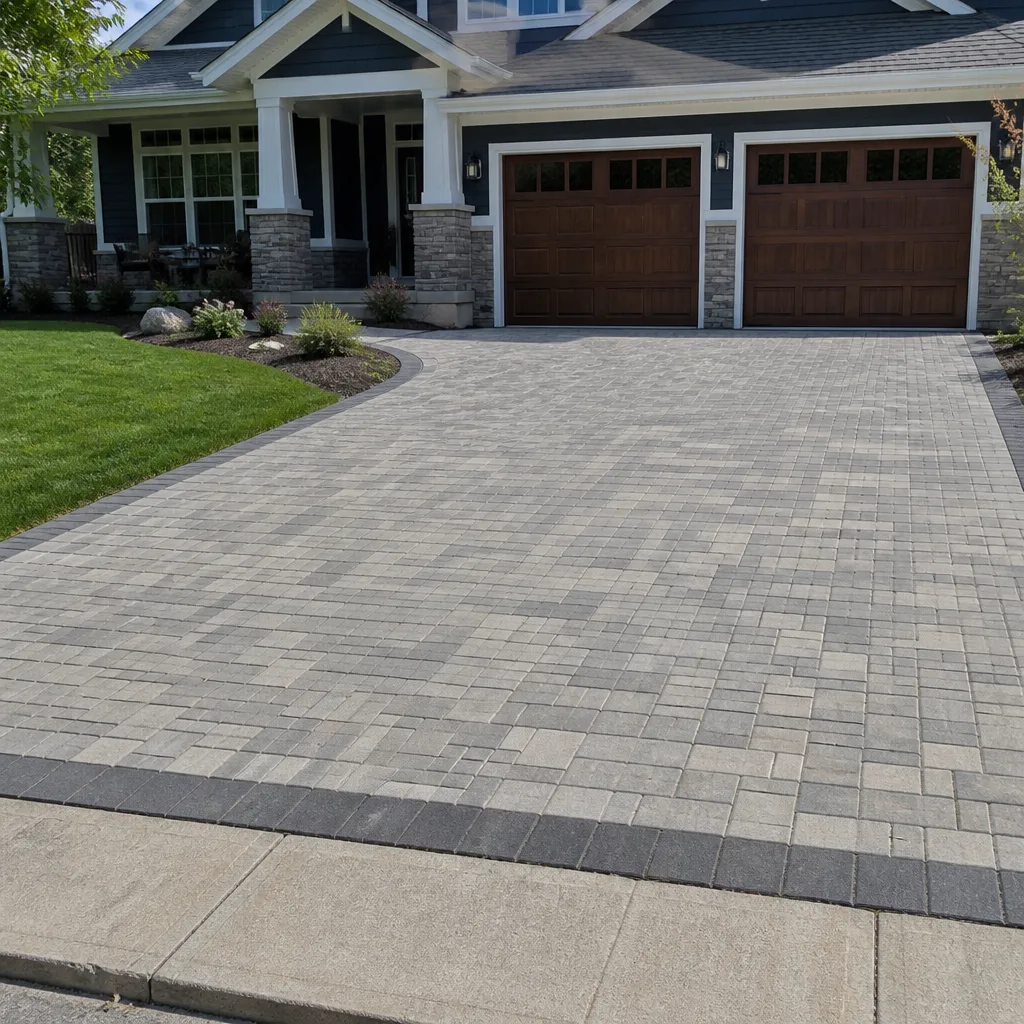 Driveway & pavers
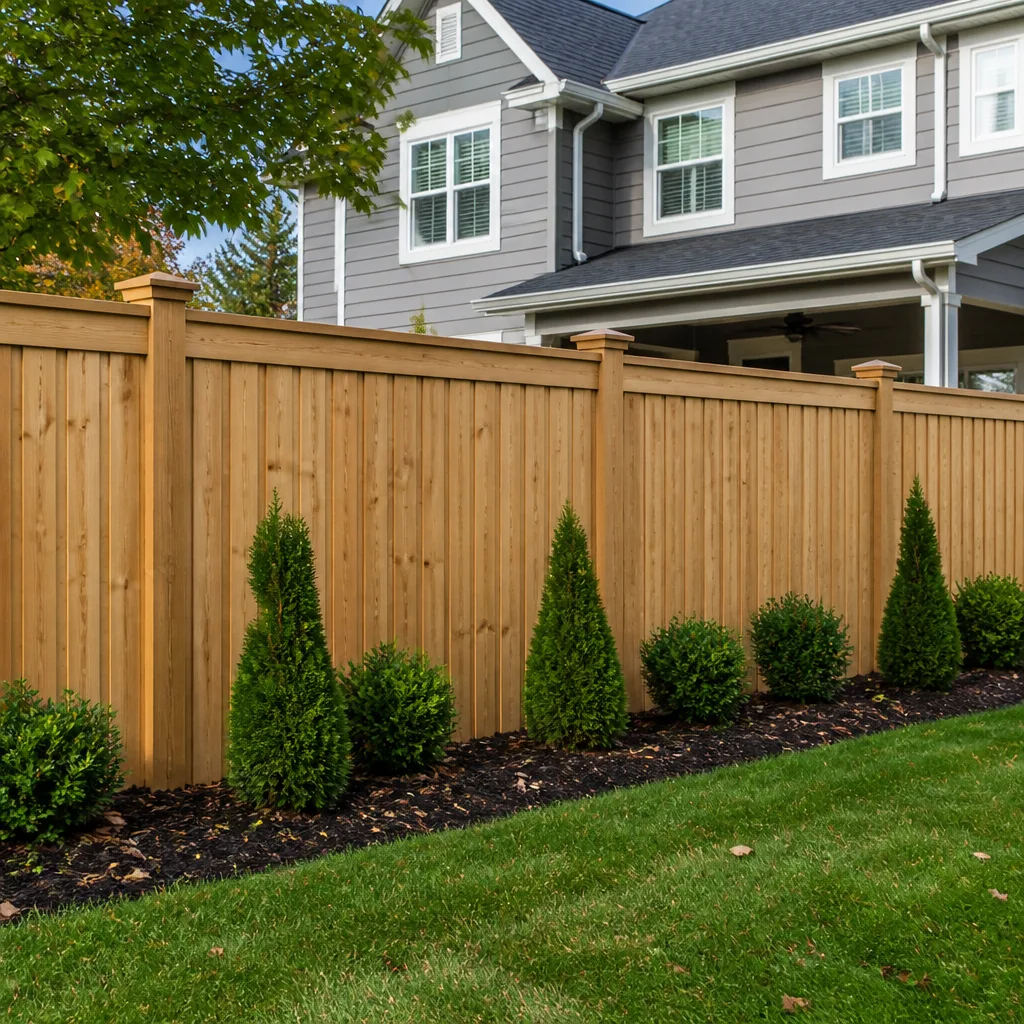 Fence
Free written scope consultation - allowances, timeline, and change-order rules on paper before a single trade is scheduled
Construction Cost Breakdown: The South San Francisco Homeowner’s Reference for 2026
Most South San Francisco homeowners walk into a major renovation with a budget built from national averages or, worse, San Francisco pricing. That number is usually wrong by $40,000 to $80,000 on a substantial project. Not because contractors are padding invoices. Because local conditions in South San Francisco, from San Mateo County labor markets to permit fee structures and the age of our housing stock, create a cost profile you won’t find in any online calculator. This guide breaks down what construction actually costs here in 2026, line by line, so you can plan a project that doesn’t stall halfway through. For warning signs to watch for during your South San Francisco build, see our companion reference.
Styles & brands we work with
Quick Answer
Construction costs in South San Francisco in 2026 run $350 to $650 per square foot for remodeling work, $450 to $800 per square foot for additions and new ADUs, and $18,000 to $35,000 for a typical full roof replacement. A kitchen remodel averages $75,000 to $120,000, a bathroom addition $55,000 to $95,000, and a seismic retrofit $15,000 to $40,000 depending on foundation type. Permit fees add 4% to 8% on top of construction costs, and pre-1980 homes should budget an additional 10% to 15% contingency for hidden conditions like asbestos and outdated wiring.
Table of Contents
- Why South San Francisco Costs Differ from Neighboring Cities
- South San Francisco Permit Fees: What You’ll Actually Pay
- Line-Item Cost Structure for Five Common Project Types
- The Hidden Cost of Homes Built Before 1980
- Labor Rate Breakdown by Trade in San Mateo County
- How to Read a Contractor Bid and Spot Missing Line Items
- Scope Creep in South San Francisco: Where Budgets Actually Break
- Financing Options for South San Francisco Renovations in 2026
- Common Mistakes to Avoid
- When to Call a Professional
- Frequently Asked Questions
- The Bottom Line
Why South San Francisco Costs Differ from Neighboring Cities
South San Francisco sits in a strange middle ground. We’re not San Francisco with its seismic retrofit mandates and high-rise logistics. We’re not Daly City with its dense hillside lots and fog-driven moisture management. And we’re certainly not the sprawling flatland suburbs of the East Bay. What we have is a mix of 1940s to 1970s tract housing, hillside lots in areas like Terrabay and Westborough, and a commercial corridor along El Camino Real that creates material delivery challenges most homeowners never think about until a truck can’t make the turn onto their street.
The biggest driver of cost difference is labor. San Mateo County union scale and prevailing wage pressure runs higher than most of the state. A licensed electrician in South San Francisco bills out at $110 to $160 per hour in 2026. Plumbers run $95 to $145 per hour. Carpenters and finish framers bill at $75 to $110 per hour. These are not contractor markups. They are what the trades cost here because the county’s cost of living and commercial construction demand set the floor.
Material logistics matter too. South San Francisco has excellent highway access, which helps. But many of our residential streets in the older neighborhoods, think Avalon Park and the areas around Orange Memorial Park, are narrow with limited staging. Deliveries that require a semi or a flatbed may need to drop at a staging area with a second truck, sometimes a crane, to transfer materials. That adds $800 to $3,000 to projects involving roof trusses, prefab wall panels, or large steel beams. Homeowners budgeting with generic tools never see this line item coming.
For a broader look at how these factors play out across project types, see our guide to hiring a general contractor in South San Francisco.
South San Francisco Permit Fees: What You’ll Actually Pay
South San Francisco’s building permit fee schedule runs meaningfully higher than neighboring Daly City and modestly below San Francisco depending on project type; for the full picture, see our Construction Permits, Codes & Inspections in CA: What You Need to Know guide. For a typical kitchen remodel with structural work, expect to pay $2,800 to $6,500 in city permit fees. A bathroom addition runs $2,200 to $5,800. An ADU permit packet with plan check, school fees, and utility connection charges typically lands between $12,000 and $22,000 before construction even starts.
The City of South San Francisco calculates building permit fees based on project valuation, then adds plan check fees, technology fees, and state-mandated surcharges. San Mateo County’s school district fees, which apply to additions and ADUs but not interior remodels, run $4.79 per square foot for residential additions as of 2026. That’s a line item many bid comparisons miss entirely.
Here’s what to expect for common project types:
- Kitchen remodel (no structural change): $1,200 to $2,400 in permit and plan check fees
- Kitchen remodel (wall removal, structural beam): $2,800 to $5,500 including engineering review
- Bathroom addition (new footprint): $3,200 to $6,800 plus water and sewer connection fees
- ADU (500 sq ft detached): $14,000 to $24,000 including school fees, plan check, and utility hookups
- Seismic retrofit (bolt and brace): $800 to $1,600 in permit fees
You can request a preliminary fee estimate from the South San Francisco Building Division before signing a contractor agreement. Provide a scope document and your parcel number, and they’ll give you a ballpark. A good contractor includes this step in pre-construction. A lazy one waits until the permit run and hands you a surprise invoice. For more on what a full-scope home remodeling project in South San Francisco involves, we’ve outlined the process in detail.
Line-Item Cost Structure for Five Common Project Types
Here’s what you should budget in 2026 based on real project data from South San Francisco and northern San Mateo County. These ranges assume mid-grade materials, a licensed general contractor, and a home in average condition. Homes on hillside lots or with unusual foundations, think portions of Terrabay and the steep streets above El Camino, will push the high end.
Kitchen Remodel: $75,000 to $120,000
- Demolition and debris hauling: $2,800 to $5,500
- Structural work (if removing walls): $5,000 to $14,000
- Cabinetry (semi-custom, KraftMaid or Wellborn): $18,000 to $35,000 installed
- Countertops (quartz, Cambria or Silestone): $6,000 to $12,000 fabricated and installed
- Plumbing rough-in and fixtures (Kohler or Moen): $7,000 to $15,000
- Electrical, lighting, permits: $8,000 to $16,000
- Flooring, drywall, paint, trim: $10,000 to $18,000
- General conditions, project management, profit: 15% to 20% of total
Bathroom Addition: $55,000 to $95,000
- Foundation and slab: $8,000 to $16,000
- Framing and exterior envelope: $12,000 to $22,000
- Plumbing rough-in (new supply and drain lines): $7,000 to $14,000
- Electrical, lighting, ventilation fan: $3,500 to $7,000
- Tile work (floor, shower walls, tub surround): $9,000 to $18,000
- Fixtures and finishes (Toto toilet, Grohe shower system): $5,000 to $12,000
- Interior finishes, drywall, paint: $6,000 to $10,000
ADU (500 sq ft Detached): $275,000 to $420,000
ADUs are the single most volatile cost category in South San Francisco right now. Site-built ADUs at 500 square feet run $550 to $800 per square foot. Prefab ADUs from manufacturers like Plant Prefab or Boxabl can land lower on the structure itself, but site work, foundation, utility connections, and permit costs usually erase much of that savings. A Mighty Buildings panelized ADU, which uses 3D-printed composite panels, can reduce on-site labor but still requires significant groundwork. The realistic all-in budget for a prefab ADU in South San Francisco is $240,000 to $340,000 for 400 to 600 square feet.
- Site preparation and foundation: $25,000 to $50,000
- Prefab structure (plant or panelized): $90,000 to $150,000
- Delivery and crane setting: $8,000 to $25,000 depending on lot access
- Utility connections (water, sewer, electric, gas): $30,000 to $60,000
- Finishes, appliances, solar if required: $40,000 to $70,000
- Permit fees and school district charges: $14,000 to $24,000
Roofing Replacement: $18,000 to $35,000
For a standard 1,800 to 2,400 square foot home with architectural asphalt shingles, expect $12,000 to $20,000 for tear-off, underlayment, shingles, flashing, and ridge vent installation. Higher-end systems using GAF or CertainTeed designer shingles with full ice-and-water shield across the roof deck will run $22,000 to $30,000. The fog and marine air in South San Francisco means proper ventilation matters more than in inland Bay Area cities, and adding ridge or soffit ventilation improvements will add $2,000 to $5,000 but extend shingle life measurably.
Seismic Retrofit (Bolt and Brace): $15,000 to $40,000
South San Francisco has a large inventory of pre-1960 homes with cripple wall foundations and no shear reinforcement. A standard bolt-and-brace retrofit on a 1,200 square foot home runs $8,000 to $15,000. Homes on hillsides, homes with partially-reinforced foundations, or two-story homes requiring stronger moment connections can push past $40,000. This is the least glamorous project you’ll ever fund, and the one that protects everything else you’ve invested in.
The scope that ties all of these together is best handled by a single accountable builder, which is why we recommend reviewing our home renovation services in South San Francisco page to understand what a full-envelope contractor looks like.
The Hidden Cost of Homes Built Before 1980
South San Francisco’s housing stock skews old. The neighborhoods clustered around Grand Avenue, many of the mid-century tracts between Chestnut and Spruce, and the hillside homes in Westborough were built between 1940 and 1975. These homes reliably surface the same set of hidden conditions. Budgeting for them is not pessimism. It’s pragmatism.
The three consistent finds in pre-1980 South San Francisco homes are asbestos, galvanized plumbing, and outdated electrical. Asbestos shows up in vinyl sheet flooring, acoustic ceiling texture, and HVAC duct wrap. Testing runs $300 to $800, and abatement for a kitchen or bathroom floor adds $2,500 to $8,000. Galvanized supply lines, common in homes built before 1970, corrode from the inside and restrict water pressure. A full re-pipe in copper or PEX costs $8,000 to $18,000 depending on house size and access.
Electrical is the budget killer. Homes built before 1980 in South San Francisco frequently still have 60-amp or 100-amp panels with cloth-insulated wire. Adding a kitchen with modern appliance loads, or an ADU, will trigger a panel upgrade. A 200-amp service upgrade with new panel and grounding runs $6,000 to $12,000. If the house needs full rewiring because the insulation has degraded, you’re looking at $18,000 to $35,000. This is before a single cabinet goes in.
The compounding factor is sequencing. You can’t legally close a wall with outdated wire behind it in San Mateo County. The inspector will flag it. So the “surprise” is not optional, it’s mandatory work that your contractor should have flagged during the walk-through. The difference between a bid that accounts for this and one that doesn’t can be $30,000. That’s the entire gap between a realistic budget and a national calculator estimate.
Labor Rate Breakdown by Trade in San Mateo County
When a homeowner sees two bids that differ by $40,000, the instinct is to assume the higher bid is padding. Sometimes it is. Usually it’s not. In San Mateo County, the gap between the cheapest and most qualified bid often reflects the cost of licensed, insured crews who carry workers’ compensation, pull permits, and stand behind their work. The unlicensed or under-insured bid doesn’t reflect a better deal, it reflects unpriced risk transferred to you.
Here’s what each trade bills in South San Francisco in 2026:
- Framing carpenters: $75 to $110 per hour, or $12 to $22 per square foot for new construction framing
- Plumbers: $95 to $145 per hour for licensed journeyman work. A bathroom rough-in runs $7,000 to $14,000 including materials
- Electricians: $110 to $160 per hour. A panel upgrade lands at $6,000 to $12,000. A full kitchen electrical package runs $8,000 to $16,000
- Tile setters: $60 to $95 per hour. Custom showers with large-format or natural stone run $25 to $45 per square foot for labor alone
- Painters: $55 to $85 per hour. A full interior repaint of a 1,500 square foot home runs $8,000 to $15,000
- Roofers: $65 to $90 per hour plus materials. A tear-off and re-roof is bid as a lump sum almost always
- General contractor overhead and management: 15% to 20% of total project cost. This covers supervision, scheduling, liability insurance, and the warranty on workmanship
The qualified bid includes line items for dumpster rental, portable restroom rental, site protection, daily cleanup, and temporary power. The cheap bid omits these, then invoices them as “unforeseen costs” after demolition day. That’s not a cost difference. That’s a shell game. For homeowners who want to understand the full scope of what a Millwright Builders home renovation includes, our process page walks through how we build estimates.
Scope Creep in South San Francisco: Where Budgets Actually Break
Construction Emergency Preparedness starts with knowing what scope creep looks like in South San Francisco. It’s not the homeowner adding a nicer faucet. It’s the city’s plan checker requiring a structural upgrade the original scope didn’t anticipate. It’s the discovery that a 1962 home’s floor joists were notched by a previous owner’s DIY plumbing job. It’s the realization that adding a new bathroom triggers a sewer lateral replacement under the front yard because the old clay line fails inspection.
Here’s where scope creep reliably shows up:
- Sewer lateral replacement: $8,000 to $20,000 when an inspection reveals a broken clay or Orangeburg pipe. This is triggered by any bathroom addition or ADU project in South San Francisco.
- Structural upgrades: $5,000 to $30,000 when a plan checker requires shear wall strengthening, foundation bolting, or beam upsizing to meet current code on a remodel touching load-bearing walls.
- Insulation and ventilation requirements: $3,000 to $8,000 when new work in an older home requires bringing the entire thermal envelope up to Title 24 standards.
- Electrical service upgrade: $6,000 to $12,000 when any substantial remodel pushes a 100-amp panel past capacity.
- Drainage corrections: $4,000 to $15,000 on hillside lots where grading or retaining work is required to correct existing drainage before the new addition can be approved.
The takeaway is not that you should avoid these costs. They’re mandatory once discovered. The takeaway is that a contractor who has done this work in South San Francisco knows to look for them before the bid goes out. A contractor who hasn’t will discover them with your checkbook. That’s the difference between a $100,000 bid and a $140,000 bid on the same project, and the higher bid is often the more honest number.
How to Read a Contractor Bid and Spot Missing Line Items
Contractor bids in South San Francisco vary wildly in format. Some are detailed line-item breakdowns. Some are a single number on a letterhead. Here’s how to evaluate what you’re looking at and identify what’s been quietly left out.
- Look for the permit fee line item. If it’s absent, the bid assumes you’re paying city fees separately. Ask. The South San Francisco permit process involves plan check fees, building fees, and possibly school fees that can total $15,000 or more on an ADU.
- Check for debris hauling and dumpster costs. Demolition waste from a kitchen remodel runs 40 to 80 cubic yards. That’s two to four dumpster loads at $600 to $900 per load including tipping fees. A bid without this line item will add $2,000 to $4,000 later.
- Ask about temporary facilities. Portable restroom rental costs $150 to $250 per month. Site protection, floor covering, dust barriers, and negative air machines for pre-1980 homes with asbestos risk add $1,500 to $4,000.
- Verify engineering is included. Any structural work, wall removal, beam installation, or foundation work requires a California-licensed structural engineer. Their calculations and stamped drawings run $2,000 to $6,000 depending on complexity.
- Confirm the contingency. A realistic bid includes 10% to 15% for unforeseen conditions. A bid that assumes zero surprises on a 1965 house is either inexperienced or planning to bill you for surprises later.
- Check the material allowances. If the bid includes a $500 fixture allowance for a bathroom vanity faucet, that’s a builder-grade number. The brands we specify routinely, think Kohler, Grohe, Toto, Blanco, land at $400 to $1,000 per fixture. Know what the allowance actually buys.
The single most telling sign of a complete bid is whether it accounts for South San Francisco’s specific conditions: hillside access, older housing stock, permit schedule, and the San Mateo County labor environment. A bid that looks like it could have been written for a house in Phoenix or Dallas should be treated with skepticism, not optimism, when the pricing looks attractive.
Financing Options for South San Francisco Renovations in 2026
Most South San Francisco homeowners finance major renovations through one of three channels: a HELOC, a cash-out refinance, or a construction loan. In 2026, with interest rates expected to remain in the mid-6% range for home equity products, the math on each option differs meaningfully from the low-rate era many homeowners remember.
A HELOC gives flexibility but carries a variable rate, currently averaging 7.5% to 9% for prime borrowers. It works well for smaller phased projects under $100,000. A cash-out refinance locks a fixed rate but resets the entire mortgage, which may or may not make sense depending on the balance and rate on the existing loan. Construction loans for major projects over $200,000 require a draw schedule, inspections, and a contractor who understands the lender’s documentation requirements. Not every contractor does, and choosing a builder who has managed lender draws before will keep your project from stalling at each inspection milestone.
For ADUs specifically, California’s CalHFA ADU Grant Program has offered up to $40,000 in non-repayable grant funds in recent years, and while funding cycles have been competitive, the program remains active in 2026. Eligibility is income-based and tied to specific lenders. It’s worth checking whether you qualify before finalizing an ADU budget, because $40,000 covers a meaningful share of the foundation and utility work.
Whatever route you choose, get your financing approved before you sign a construction agreement. A contractor who starts work and then pauses while you sort out a loan is a contractor whose crew moves to another job, and your timeline stretches by months. That’s not a contractor failure. That’s a sequencing problem that belongs to the homeowner, and it’s entirely avoidable with planning.
Common Mistakes to Avoid
- Budgeting from a national cost calculator. South San Francisco labor, permit, and material delivery costs run 20% to 35% above national averages. A Houzz calculator number will leave you short by tens of thousands on a full kitchen.
- Comparing bids without comparing scope. A $60,000 bathroom bid with no permit line, no engineering, and builder-grade fixtures is not cheaper than an $85,000 bid that includes everything. It’s just less complete.
- Ignoring the permit process timeline. South San Francisco plan check for a major remodel or ADU runs 4 to 12 weeks. Starting construction without permits is a fast track to a stop-work order and doubled fees.
- Skipping the sewer lateral inspection. Any bathroom addition or ADU should trigger a lateral inspection before budgeting. A failed lateral adds $8,000 to $20,000 that no generic calculator includes.
- Choosing a specialty contractor for a multi-trade project. A roofer who also “does interiors” is not a general contractor. The coordination between trades, the permit management, and the liability for the whole project belongs to someone who holds a general contracting license and carries the insurance for it.
- Not budgeting for the exterior. South San Francisco’s marine air and fog mean that any project exposing the home’s envelope will surface dry rot, flashing failures, and siding damage that must be addressed before closing up. A $3,000 patch job becomes a $12,000 exterior repair once it’s visible.
- Assuming the cheapest material is the same as the recommended one. Fiberglass shingles and designer GAF shingles both keep rain out. They are not the same product, they do not carry the same warranty, and they do not perform the same in South San Francisco’s damp, salty air. Material choice is a performance decision, not just a price decision.
When to Call a Professional
Call a general contractor when the project touches more than two trades, involves structural work, requires permits, or crosses the building envelope. A kitchen remodel with wall removal, plumbing relocation, and electrical changes is a general contractor’s job. A bathroom addition is a general contractor’s job with foundation, framing, plumbing, electrical, and finishes all in sequence. An ADU is absolutely a general contractor’s job, and South San Francisco’s permit process on ADUs is unforgiving for homeowners who try to self-manage. Even a roof replacement, which seems contained, benefits from a builder who understands how the roof ties into fascia, gutters, ventilation, and the home’s thermal envelope. Millwright Builders offers free estimates in South San Francisco. Call (866) 925-0334 to schedule a walk-through and get a written scope with real line items, not a number on a napkin.
Frequently Asked Questions
A mid-range kitchen remodel in South San Francisco runs $75,000 to $120,000 including cabinetry, countertops, plumbing, electrical, and permits. High-end kitchens with custom cabinetry and premium stone can run $150,000 to $250,000. Call (866) 925-0334 for a line-item estimate based on your actual scope and existing conditions.
Permit fees and plan check charges typically add 4% to 8% to total construction cost in South San Francisco. A kitchen remodel carries $1,200 to $5,500 in city fees, while an ADU can carry $14,000 to $24,000 including school district charges and utility connection fees. Your contractor should provide a permit fee estimate before you sign.
Older South San Francisco homes reliably contain asbestos, galvanized plumbing, and outdated electrical that must be addressed when walls are opened. Asbestos abatement adds $2,500 to $8,000, a re-pipe adds $8,000 to $18,000, and an electrical panel upgrade adds $6,000 to $12,000. These are mandatory costs triggered by code, not optional upgrades.
A kitchen remodel runs 8 to 14 weeks. A bathroom addition runs 10 to 16 weeks. An ADU runs 6 to 12 months including permit processing. The South San Francisco plan check process alone can take 4 to 12 weeks depending on project complexity and current city workload.
Legally, homeowners can pull an owner-builder permit for work on their own residence. Practically, juggling six trades, the permit process, material deliveries, and inspections on a project with South San Francisco’s specific code requirements is a full-time job with real financial exposure. Most owner-builder projects we’ve seen finish late, over budget, or both. The savings rarely materialize once schedule delays and rework are counted.
A complete bid from a South San Francisco contractor includes line items for permit fees, debris hauling, temporary facilities, engineering, contingency, and specific material allowances rather than vague lump sums. It also addresses known conditions of your home’s age, such as electrical service size and plumbing material. If a bid looks dramatically lower than competing bids, ask which line items the competitor included that this one omits. Call (866) 925-0334 for a written scope you can compare against any bid, apples to apples.
The Bottom Line
Construction in South San Francisco in 2026 runs 20% to 35% above national cost calculators because San Mateo County labor rates, the city’s permit fee schedule, our housing stock’s age, and the logistics of building on foggy hillsides create true local cost drivers. A realistic budget accounts for permit fees, hidden conditions in pre-1980 homes, material quality decisions, and a competent general contractor’s management costs. Homeowners who plan for $350 to $650 per square foot, carry a real contingency, and hire a builder who understands this city specifically will finish on budget and on schedule. Those who budget from generic tools will find out the difference mid-project, when stopping is not an option. Get your numbers right before you start. Call (866) 925-0334 and we’ll walk your project together, line by line.
Written by the team at Millwright Builders, serving South San Francisco since 2014.
See the difference
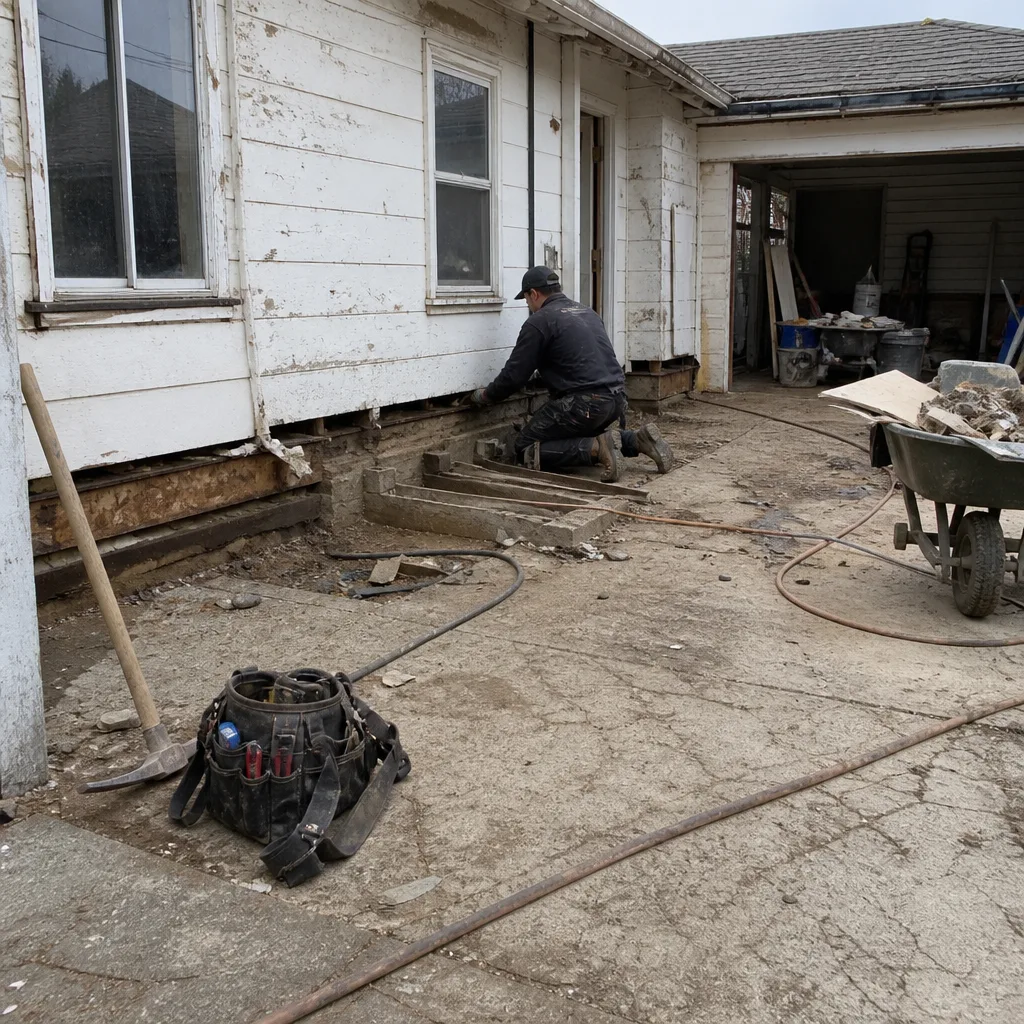 Before
 After
 Before
 After
 Before
 After