
Last updated October 30, 2026
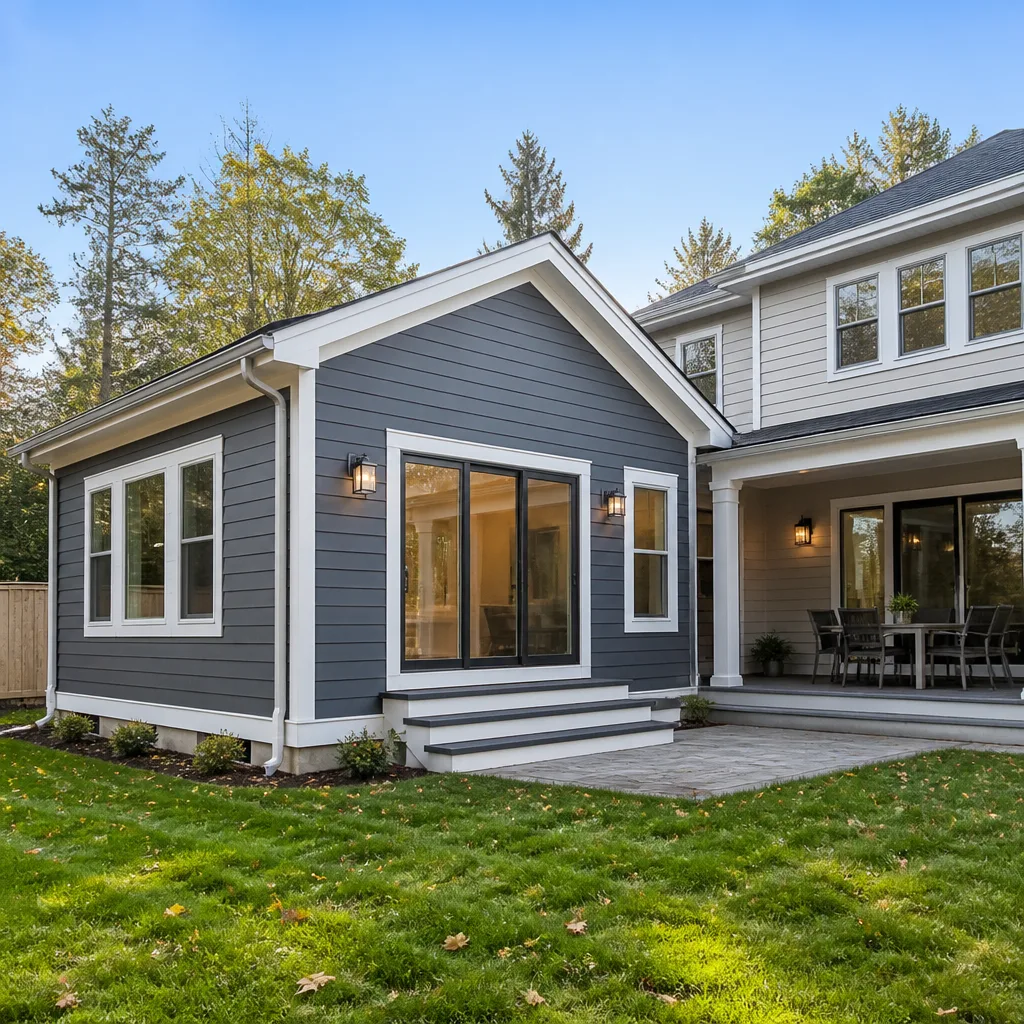 Home additions & ADU
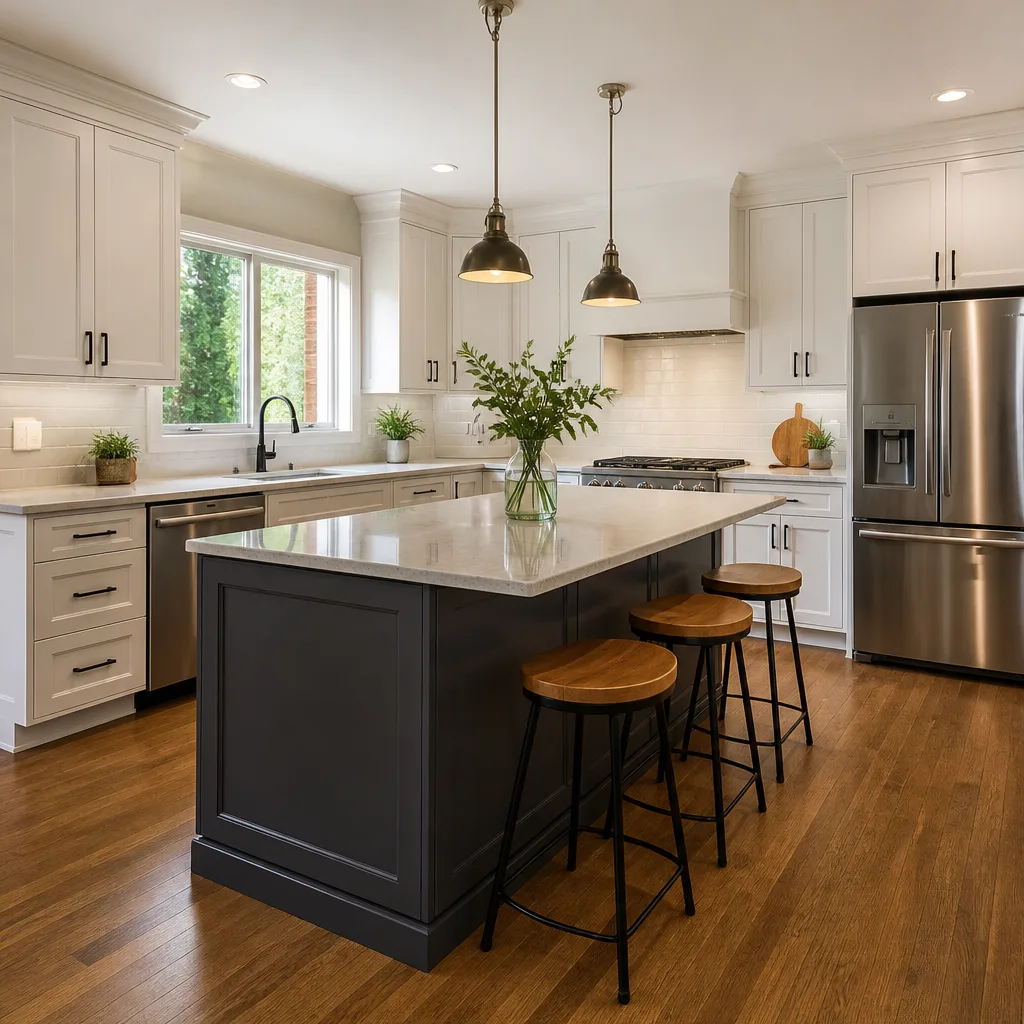 Kitchen remodeling
 Bathroom remodeling
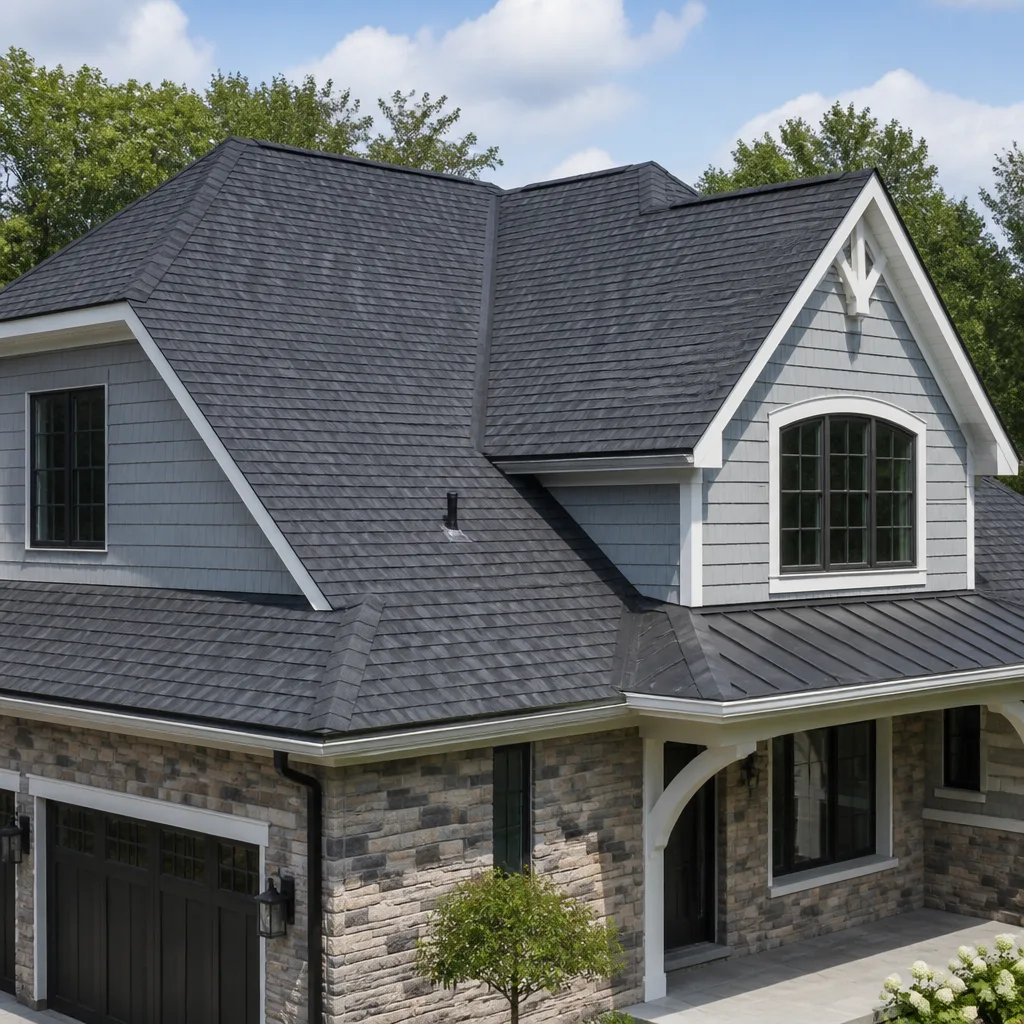 Roofing
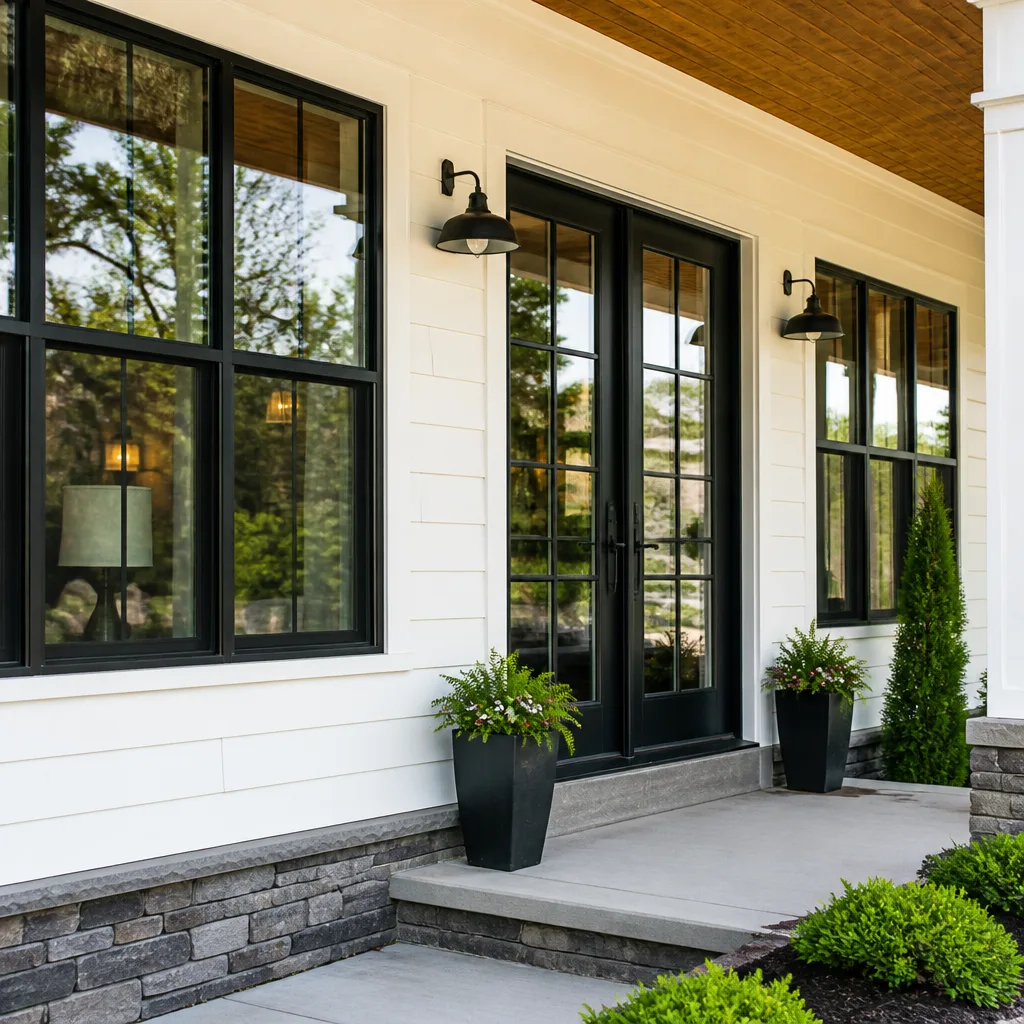 Windows & doors
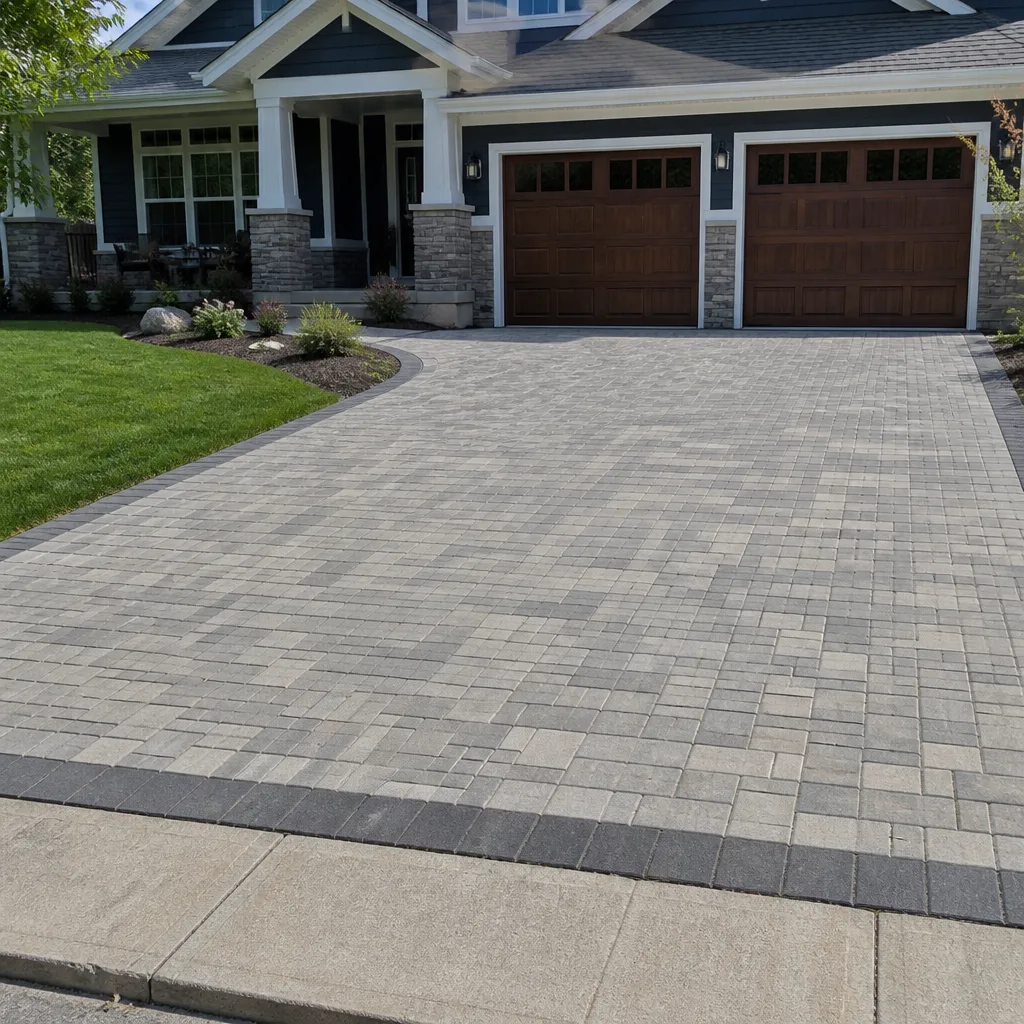 Driveway & pavers
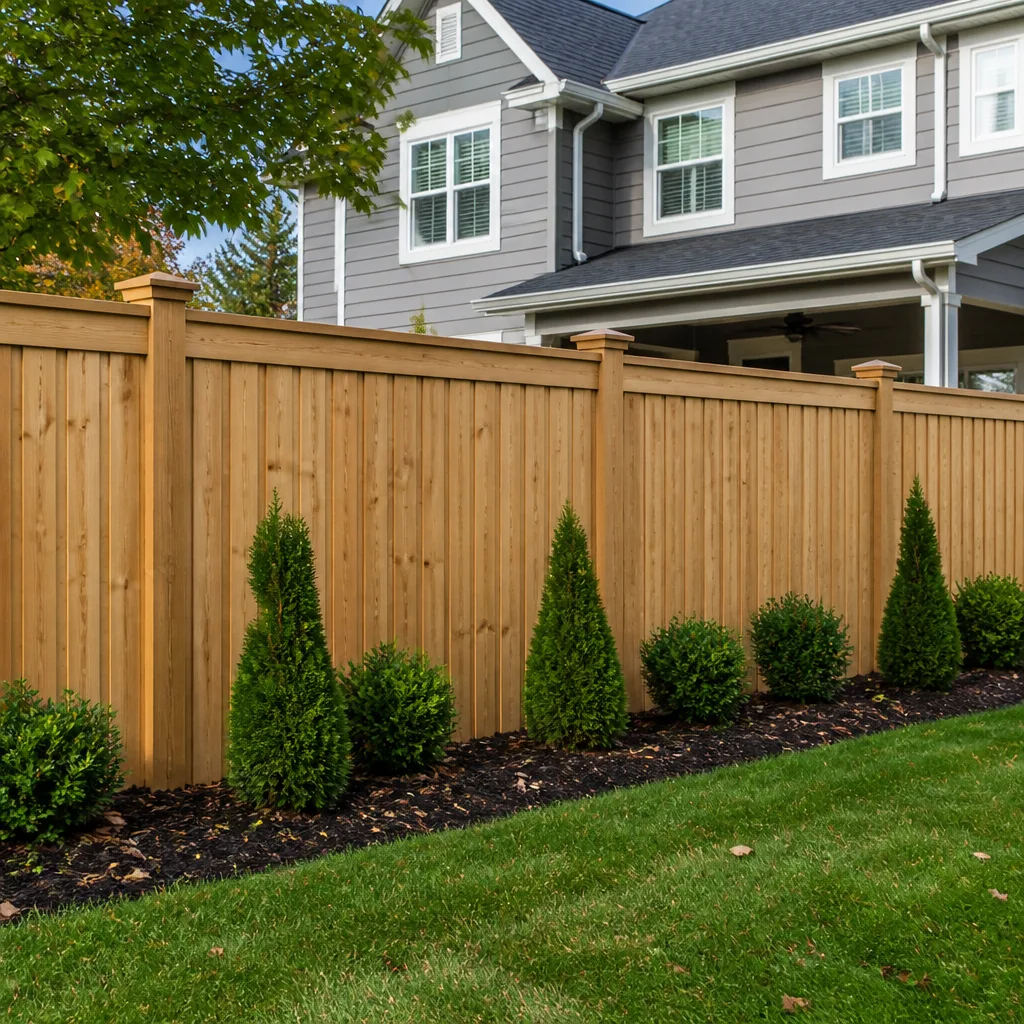 Fence
Free written scope consultation - allowances, timeline, and change-order rules on paper before a single trade is scheduled
Seasonal Construction Care for South San Francisco: Year-Round Homeowner’s Guide
South San Francisco doesn’t experience winter the way the rest of the country does. No snowpack, no freeze-thaw cycles cracking foundations, no sub-zero mornings. What it has instead is a marine-layer climate that shifts between fog, rain, and wind in patterns most national maintenance guides completely miss. And those misses cost homeowners real money. A paint job scheduled in July without accounting for the 60% relative humidity that rolls in off San Bruno Mountain will look fine at first inspection and fail within two years. This guide maps the actual seasons South San Francisco gets: a wet season, a fog season, and two shoulder periods where scheduling decisions either protect or waste your renovation investment. You’ll learn when to schedule exterior work, why certain months are cheaper and smarter for specific scopes, and how to inspect your home before small moisture problems become structural ones.
Styles & brands we work with
Quick Answer
The best window for exterior construction and maintenance in South San Francisco runs from September through November, when fog clears and rain hasn’t yet arrived. The wettest months (December through February) are ideal for interior renovations since materials are stocked, crews are available, and you’re not paying a premium for weather-proofing logistics. The summer fog season (June through August) should be avoided for exterior coatings, concrete curing, and any work where trapped moisture compromises the assembly.
Table of Contents
- The Real Seasons of South San Francisco: Fog, Rain, and Two Shoulders
- Month-by-Month Construction Scheduling Guide
- The Pre-Rainy Season Inspection: Flat Roofs, Hillside Drainage, and Garage Conversions
- How Summer Fog Affects Concrete, Stucco, and Coatings
- Winter Interior Projects: What to Schedule When It’s Pouring
- Spring Post-Rain Assessment: Gutters, Foundations, Crawl Spaces
- Common Mistakes to Avoid
- When to Call a Professional
- Frequently Asked Questions
- The Bottom Line
The Real Seasons of South San Francisco: Fog, Rain, and Two Shoulders
South San Francisco sits in a climate pocket shaped by San Bruno Mountain to the west and the bay to the east. That geography creates three dominant conditions that matter for construction: persistent marine fog from June through August, concentrated rainfall from December through February, and wind that funnels through the Colma Gap with surprising force. The two brief windows in between, roughly March through May and September through November, are what we call shoulder seasons. Each shoulder behaves differently, and each has a specific use for homeowners planning work.
The fall shoulder is the premium window for exterior scopes. Fog has burned off, but the first significant rains usually hold off until mid-December. Temperatures sit in the 60s and low 70s, which happens to be the ideal curing range for most coatings, sealants, and concrete products. The spring shoulder is warmer but wetter at the margins, and it arrives after months of saturated ground, which complicates excavation and foundation work but is perfectly workable for roofing and siding if you watch the forecast.
One thing homeowners consistently misunderstand: the fog season isn’t a problem because it’s cold. It’s a problem because it’s wet. A 65-degree day in July with 70% humidity means surfaces that feel dry to the touch are still absorbing moisture at a microscopic level. Paint applied to that surface traps that moisture underneath, and what looks like a clean finish in August becomes peeling paint by the following March. This is the single most common failure pattern we see across neighborhoods from Avalon Park to Westborough, and it’s almost entirely preventable with correct scheduling.
Month-by-Month Construction Scheduling Guide
Below is the scheduling logic we apply to projects in South San Francisco, drawn from The Complete Guide to Construction in South San Francisco. It’s not a rigid set of rules; it’s a priority system based on how moisture, temperature, and material chemistry interact.
September through November: The High-Value Window
If you’re planning one exterior project in the next year, schedule it here. The fog layer has retreated, rain is still weeks away, and daytime temperatures are ideal for coatings, adhesives, and concrete work. Roofing in this window means shingles seal properly before the first rain tests them. Exterior painting in October dries thoroughly before moisture arrives. Hardscape and paver installation in November gets the ground compacted before the soil swells with winter rain.
This is also the least expensive scheduling window for one reason: every contractor in the Bay Area wants exterior work in September and October, so demand is high. But the cost of doing the work in the wrong season, in the form of premature failure and rework, exceeds any off-season discount. For a General Contractor in South San Francisco managing multiple trades, the fall shoulder is when we sequence exterior scopes back to back: roof first, then siding, then painting, then hardscape. That sequence keeps moisture moving outward and away from the assembly at every stage.
December through February: Wet Season Interior Strategy
When rain is falling for days at a time, exterior work slows down, but interior work shouldn’t. Kitchens, bathrooms, interior doors, flooring, and the rough-in phases of additions all proceed fine in wet weather as long as the shell is dried in. Smart homeowners use this period to complete the enclosed portions of larger projects, so that when spring arrives, the exterior finishes are all that remain.
For Home Remodeling in South San Francisco, the winter months are also when showrooms are less crowded and material lead times tend to shorten. Cabinet orders placed in January often arrive faster than the same order placed in June. If you’re planning an ADU, winter is the right time to handle design and permitting, positioning the foundation pour for the spring shoulder when soil conditions are predictable.
March through May: Spring Shoulder
The spring shoulder is a workable window for most exterior scopes, but it comes with caveats. Saturated soil means excavation and foundation work require more care, and any concrete pour needs a window of three to four dry days. Roofing in spring is viable if you’re replacing rather than repairing, so the old roof comes off and the new one goes on in a single sequence without leaving the deck exposed overnight. Siding and window installation work well in this window too. What you shouldn’t schedule in early spring: exterior paint on stucco, which holds winter moisture longer than wood or fiber cement and needs genuinely dry walls before coating.
June through August: Fog Season Limitations
The fog season is not a construction dead zone, but it narrows the scope list. Interior work proceeds without issue. Structural framing, rough electrical, plumbing, and drywall are all fine. What’s compromised is anything involving exterior coatings, concrete flatwork, or adhesives that need dry, warm surfaces to cure. Stucco applied during fog season will cure slowly and unevenly, creating cosmetic flaws and reduced surface hardness. Concrete slabs for ADUs poured in July can take 40% longer to reach initial set, and the extended moisture can affect surface finishes.
If exterior work must happen in summer, schedule it for late August, when fog patterns start to break, and expect to watch the dew point daily. The practical rule: if the sidewalk is still damp at 10 a.m., it’s not a coating day.
The Pre-Rainy Season Inspection: Flat Roofs, Hillside Drainage, and Garage Conversions
South San Francisco has a housing stock with three characteristics that national inspection checklists ignore: a high percentage of flat and low-slope roofs from mid-century construction, hillside lots that channel water in ways flat-lot homes never experience, and a legacy of garage-to-living-space conversions from the 1980s and 1990s that were often done without permits and without proper waterproofing. Before the rainy season starts, walk through these priorities in order:
- Flat roof penetrations. Every pipe boot, vent, and skylight curb on a flat roof is a potential leak point. Look for cracked sealant around penetrations and ponding water in the 24 hours after the last rain of the previous season. Ponding that persists more than 48 hours indicates a drainage problem or a sagging deck that will only get worse with winter rain.
- Hillside drainage paths. Homes on the west slope of South San Francisco, particularly in areas like Serra Highlands, need working swales and clean drain inlets before November. When gutters clog or drains back up on a slope, water doesn’t pool; it moves downhill fast and finds the lowest entry point, which is often the foundation wall or the garage slab edge.
- Garage conversion waterproofing. If your home has a converted garage with a slab floor that sits at or below grade, inspect the exterior wall-to-slab transition for any missing sealant. Water that pools against that wall will migrate through the slab edge and into the living space as persistent mustiness or visible efflorescence on the concrete.
- Window and door flashing. Check the head flashing above windows and exterior doors, especially units installed during the rush of 1990s and early 2000s remodels. Failed flashing above a window on the windward side of the house will leak during every storm with southwesterly wind.
We see the same pattern every November: homeowners discover a small leak that has been growing quietly for months and suddenly becomes an emergency when the first atmospheric river arrives. A one-hour inspection in October catches most of these before they become interior damage. And if you spot something you’re not sure about, a Home Renovation in South San Francisco contractor can assess whether it’s a maintenance item or a sign of deeper trouble.
How Summer Fog Affects Concrete, Stucco, and Coatings
The summer fog in South San Francisco isn’t just a visual phenomenon; it changes construction chemistry. Concrete, stucco, paint, and sealants all behave differently when humidity stays above 65% for days on end. Here’s what actually happens and why it matters for your project budget.
- Concrete flatwork. Concrete cures through a chemical reaction that requires water, but when ambient humidity is extremely high, the surface moisture can’t evaporate at the normal rate. The result is a slower cure that extends the time before the slab can accept foot traffic or framing loads. More critically, extended surface moisture can cause color variation and a weaker surface layer. For ADU slabs and paver bases, this means either scheduling around fog season or budgeting for longer cure times and surface treatments.
- Stucco. Stucco is a cement-based product that needs to dry after application. When it’s applied in fog season, the moisture that would normally evaporate stays trapped in the material. The stucco surface may look acceptable, but the trapped moisture weakens the internal structure and can cause cracking when the first dry heat arrives in early fall. The visual cue is a darker, uneven color that persists for weeks instead of days.
- Exterior paint and coatings. Paint applied when surface humidity is above 70% bonds poorly to the substrate. Wood siding, stucco, and fiber cement all absorb moisture from the air, and that moisture creates a barrier between the paint and the surface. The failure is rarely immediate. It shows up months later as peeling at the edges or cracking along seams.
- Sealants and adhesives. Caulks, sealants, and construction adhesives rely on evaporation or chemical curing, both of which are slowed or compromised by high humidity. Sealant that cures too slowly stays tacky and collects debris, leaving a cosmetic mess and a compromised waterproof barrier.
The practical takeaway: if you have the flexibility, postpone exterior coatings and cement-based work until the fall shoulder. If you can’t, demand a moisture reading on substrates before application and insist that your contractor document it. Any contractor who won’t check moisture before painting in July is not protecting your investment.
Winter Interior Projects: What to Schedule When It’s Pouring
The wet months in South San Francisco are the most underused scheduling opportunity in residential construction. Homeowners assume winter means waiting for spring. It doesn’t. It means shifting the scope to the inside, where weather doesn’t matter and crews are easier to book.
Kitchens are the obvious first choice. A full kitchen renovation involves demolition, rough plumbing and electrical, drywall, cabinetry, countertops, and finishes. None of those steps are weather-dependent. The same holds for bathroom remodels, interior door replacement, and flooring installation throughout the living space. These projects proceed uninterrupted through the wettest weeks of the year and are ready for use before the spring shoulder opens up the exterior schedule.
There’s a second advantage to winter interior work that most homeowners don’t realize: lead times. Cabinet manufacturers and countertop fabricators run their lowest backlog in January and February. A kitchen ordered in January often installs in March. The same order placed in May might not arrive until August. If you’re considering higher-end materials, like Cambria or Caesarstone quartz surfaces, the winter ordering window also gives you more time to finalize selection without holding up the project.
For larger renovations, winter is the right time to complete structural interior work, like load-bearing wall removals, stair replacement, and interior framing for additions, as long as the exterior shell is weatherproofed. At Millwright Builders home, we sequence projects so that the enclosed portions are completed during the wet season and the exterior finishes, roofing, siding, painting, and hardscape are reserved for the fall shoulder when conditions support proper curing and sealing.
Spring Post-Rain Assessment: Gutters, Foundations, Crawl Spaces
By April, the winter rains have exposed every weakness your home’s water management system has. The question is whether you find the damage in the spring, when it’s a repair, or discover it in the fall, when it’s a renovation. Here’s the post-rain checklist we run for homes all over South San Francisco, from the flat streets of Terrabay to the steeper lots in the hills.
- Gutters and downspouts. Wait for a dry day and walk the perimeter. Look for gutters that have pulled away from the fascia, downspouts that discharge against the foundation instead of away from it, and overflow staining on the fascia boards. All three indicate the system was overwhelmed during the winter and needs adjustment before the next rainy season.
- Foundation walls and slab edges. Look for new cracks, expanding old cracks, or efflorescence (that white chalky residue) on concrete surfaces. Efflorescence means water is moving through the concrete and depositing minerals on the surface. It’s not structural damage by itself, but it tells you water is going somewhere it shouldn’t.
- Crawl space inspection. If your home has a raised foundation, check the crawl space for standing water, mud stains on the foundation walls, and any new mold growth on the subfloor. A damp crawl space in April will become a mold problem by July. Identify the water source now, whether it’s surface drainage, a plumbing leak, or rising groundwater.
- Window and door operation. Winter moisture makes wood swell. If doors are binding or windows won’t close easily in April, the frames may have absorbed water, or the foundation may have shifted. Either way, it’s easier to correct now than after the summer heat dries everything and locks the problem in place.
Common Mistakes to Avoid
- Scheduling exterior paint for July. The fog season guarantees high surface moisture, which means paint bonds poorly and fails early. You’ll pay twice: once for the paint job and once for the rework.
- Ignoring flat roof ponding. Ponding water on a flat roof after a rain is a signal that the drainage isn’t working. Left unaddressed, the standing water accelerates membrane degradation and can cause leaks within one or two seasons.
- Assuming a converted garage is waterproofed. Many South San Francisco garage conversions were done without permits and without proper slab waterproofing. If the room feels musty or the baseboards are swelling, you have a moisture problem that will not resolve on its own.
- Waiting until December to fix a leak you noticed in March. Roof and flashing problems get worse every time they’re exposed to rain. A repair that costs a few hundred dollars in spring can become a structural repair by winter.
- Paving or concreting in June. High humidity during fog season slows concrete curing and creates surface defects. The same pour done in October cures faster and stronger.
- Skipping the downspout walk-around. Downspouts that discharge against the foundation are a top contributor to crawl space moisture and slab-edge damage. It’s a ten-minute inspection that prevents thousand-dollar repairs.
When to Call a Professional
Some seasonal maintenance is DIY-friendly: cleaning gutters, checking downspouts, inspecting for visible cracks. But certain conditions warrant a professional evaluation before they become structural problems. If you see water staining on interior ceilings after rain, you have an active roof leak that needs immediate attention. If your crawl space has standing water or visible mold, a professional should assess the source and the extent before you attempt cleanup. If your foundation has cracks wider than a quarter-inch or doors are binding throughout the house, you may have soil movement that needs a structural assessment. Millwright Builders offers free estimates in South San Francisco, call (866) 925-0334 to schedule a walk-through.
Frequently Asked Questions
The best months for exterior work in South San Francisco are October and November, after the fog clears but before the winter rains arrive. Temperatures are mild, humidity is low, and materials like paint, stucco, and concrete cure properly. Call (866) 925-0334 for a schedule assessment specific to your project.
You can paint in summer, but the fog season (June through August) creates high surface moisture that compromises paint adhesion. If you must paint in summer, your contractor should take moisture readings before application and delay any day the substrate reads above acceptable levels. The safer window is September through November.
Many contractors, including Millwright Builders, offer roof inspections as part of a broader home assessment at no charge for homeowners considering repair or replacement. An inspection that identifies early warning signs, like cracked sealant or ponding, is far less expensive than repairing water damage after a winter leak.
The ideal window for an ADU foundation pour is September through November, when the ground is dry and the air temperature supports proper concrete curing. Spring pours are possible but require a three-to-four-day dry window. Summer pours during fog season cure slowly and may develop surface defects.
The rainy season (December through February) is ideal for kitchens, bathrooms, flooring, interior doors, and any enclosed renovation work. Material lead times are often shorter, and you’ll have finished living spaces ready by the time the spring shoulder opens up exterior work. Call (866) 925-0334 to discuss sequencing your project across seasons.
Signs of a leaking garage conversion in South San Francisco include persistent musty smells, efflorescence on the slab, baseboards that are swollen or discolored, and moisture that appears along the wall-to-slab transition after rain. These issues typically trace back to improper waterproofing at the slab edge and will worsen with each winter season.
The Bottom Line
South San Francisco’s climate rewards homeowners who think in seasons and penalizes those who schedule by convenience. The fog season is not a construction window for exterior work; it’s a storage period for interior projects. The fall shoulder is your highest-value scheduling opportunity for everything from roofing to hardscape. The wet season is for kitchens, bathrooms, and every enclosed scope that doesn’t care about the weather. And the spring shoulder is for assessment and repairs before small problems become structural ones. Plan around these cycles, and every dollar you spend on construction goes further. For additional tips, explore our more guides & resources.
Written by the team at Millwright Builders, serving South San Francisco since 2014.
See the difference
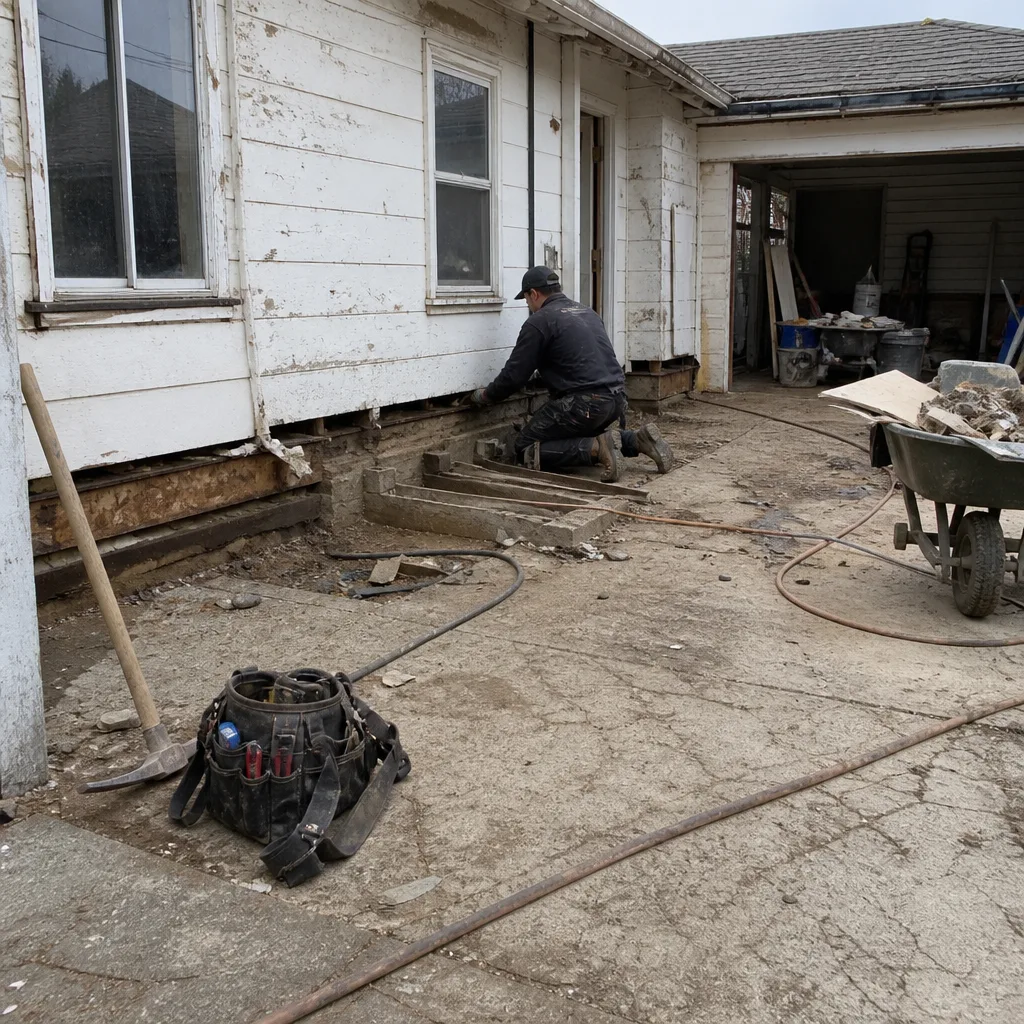 Before
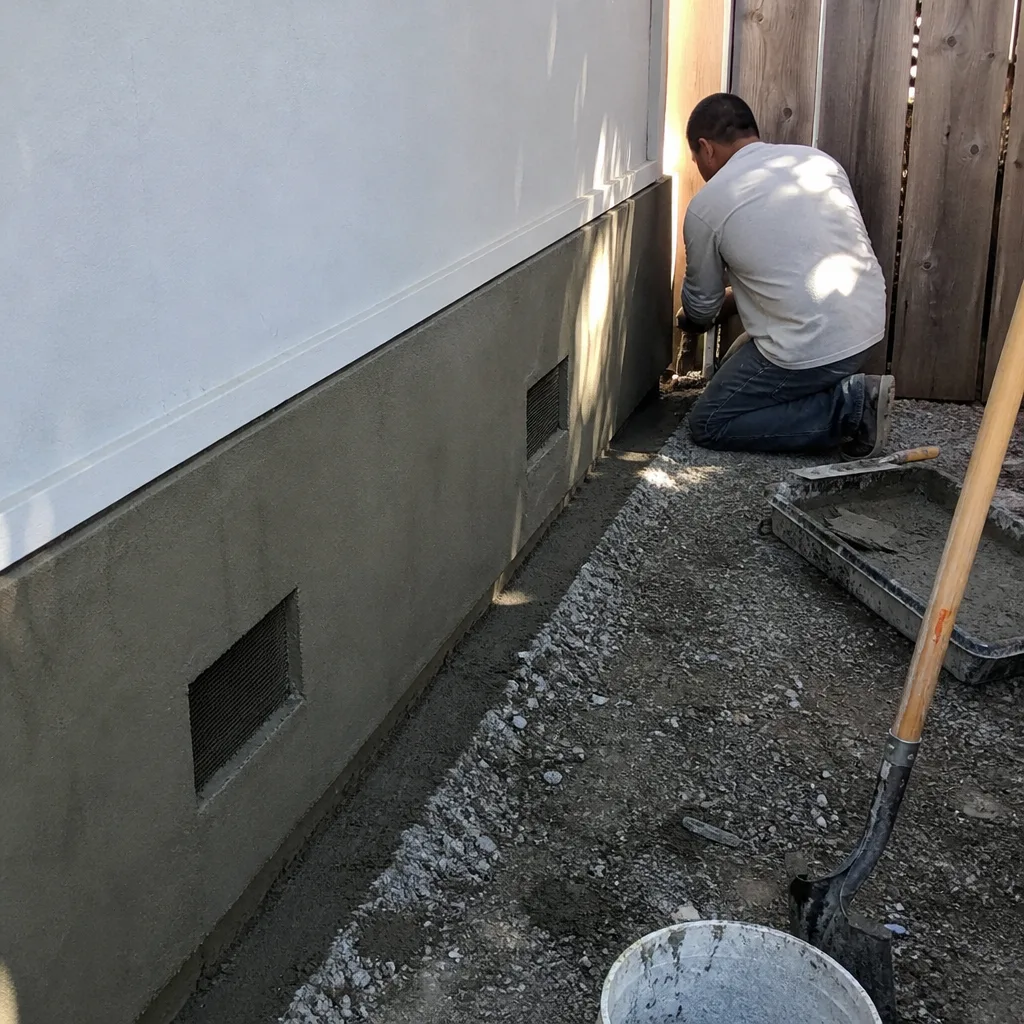 After
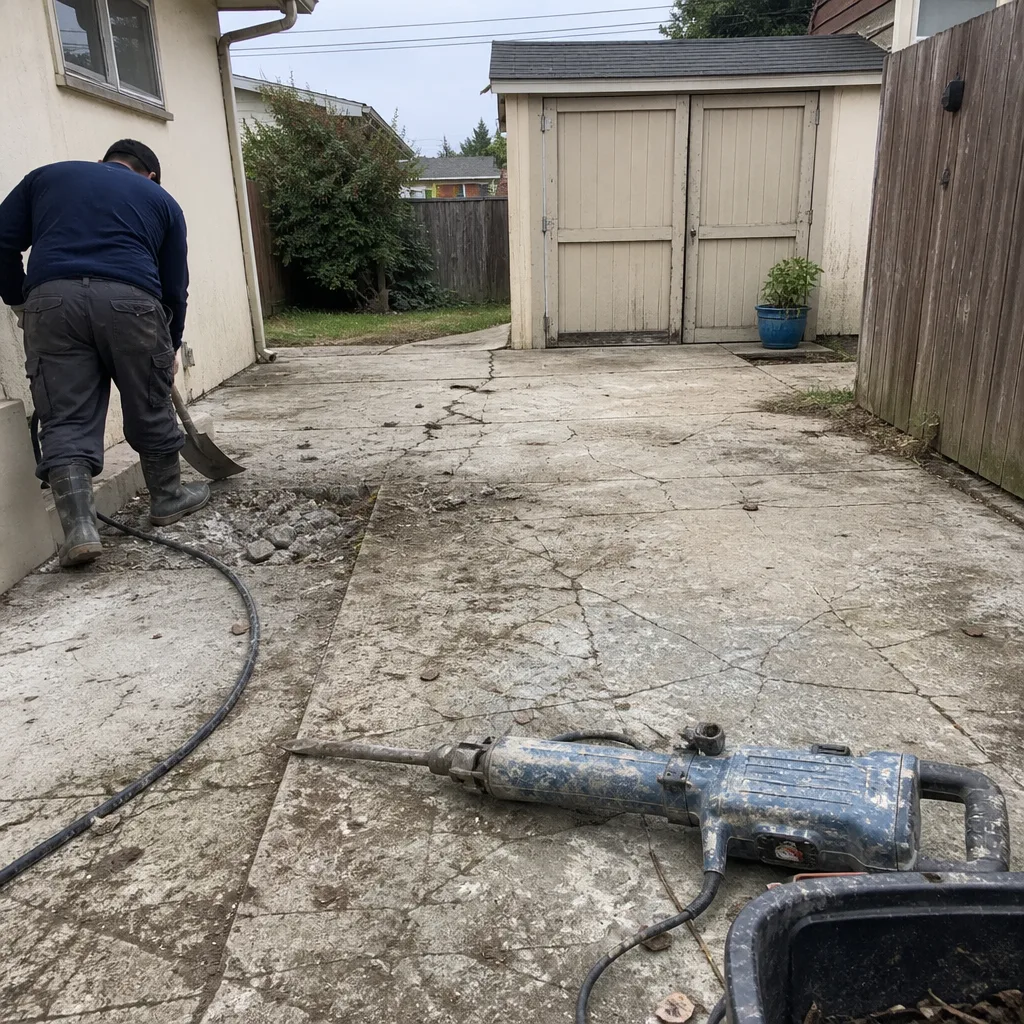 Before
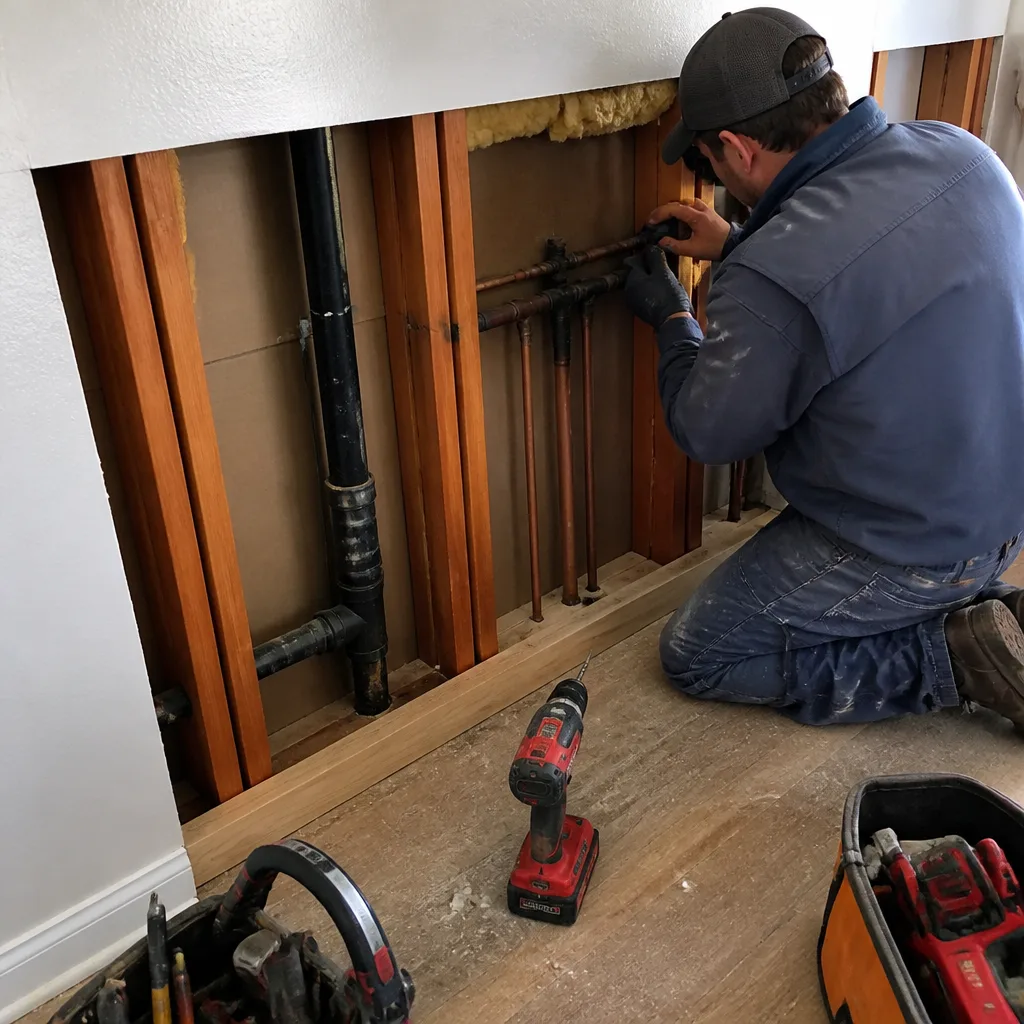 After
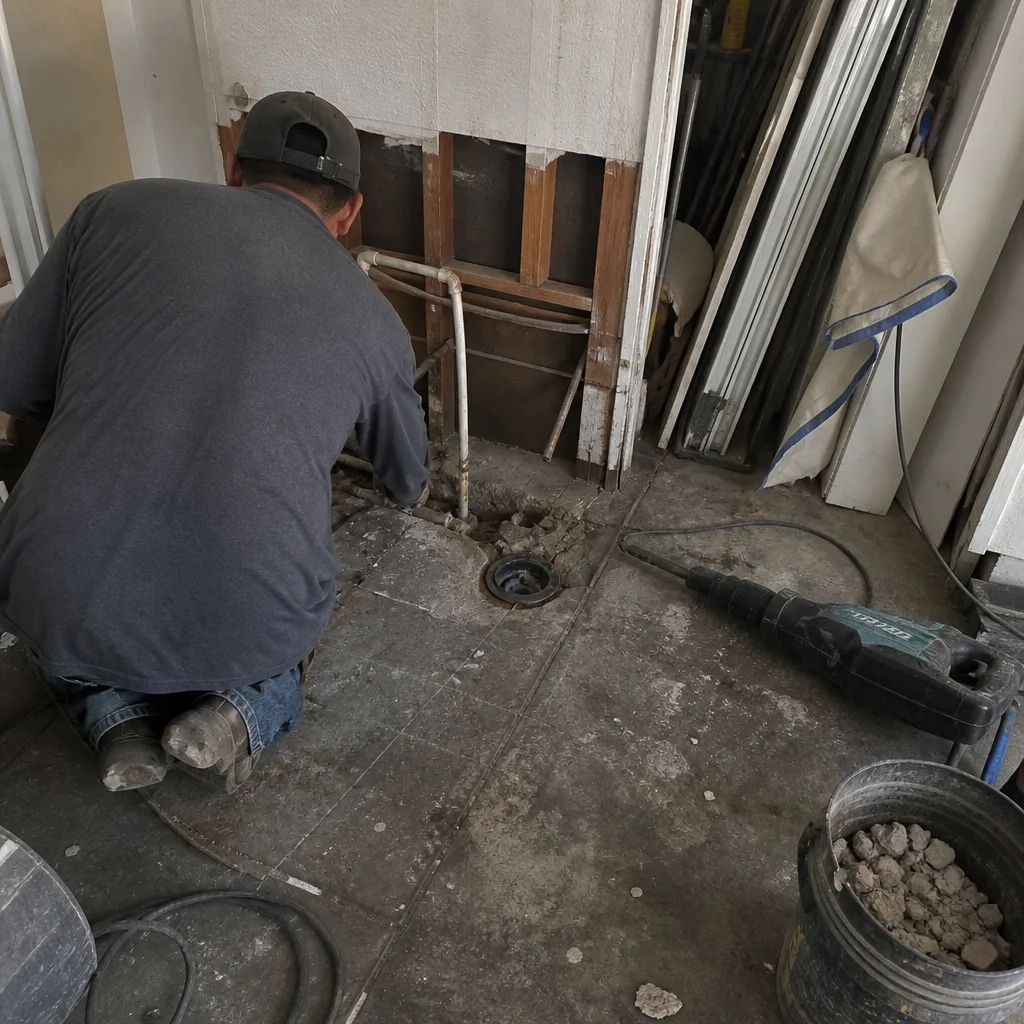 Before
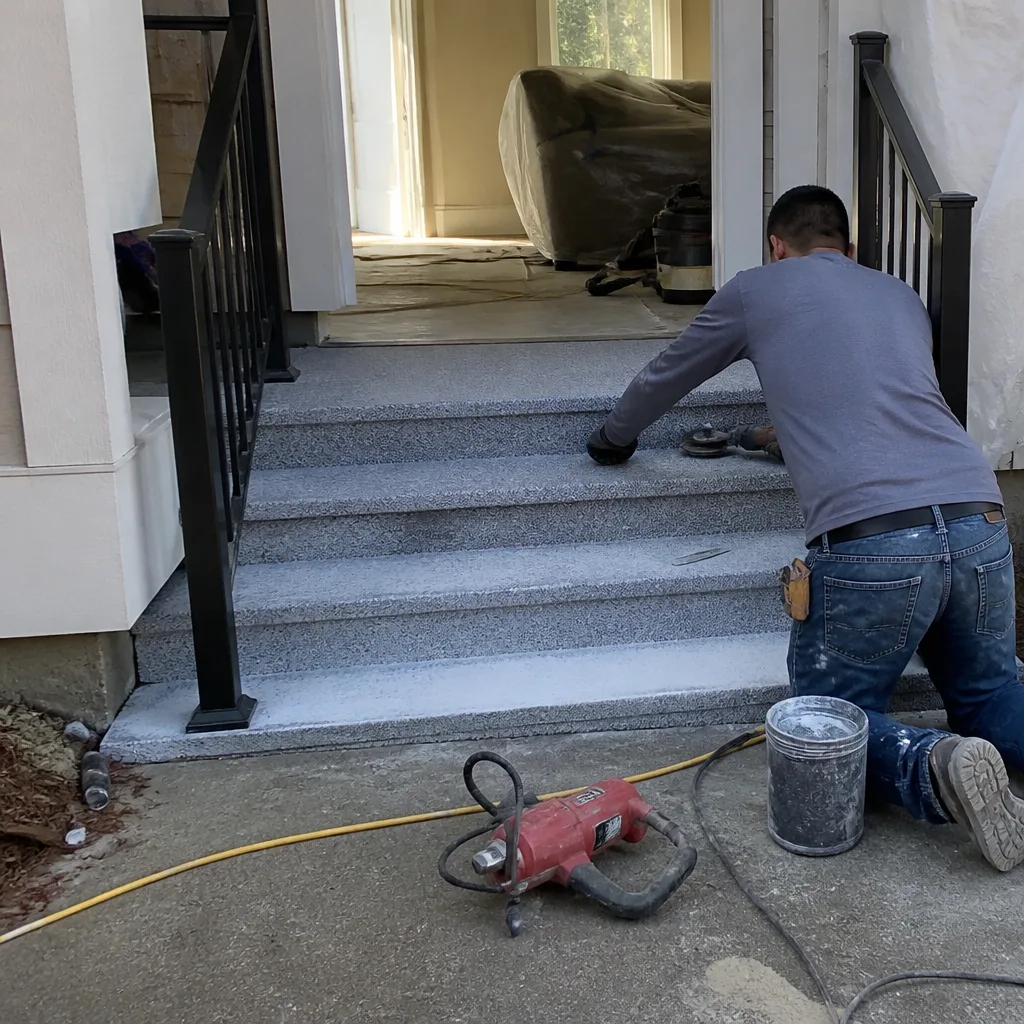 After