
Last updated October 30, 2026
 Kitchen remodeling
 Bathroom remodeling
 Home additions & ADU
 Roofing
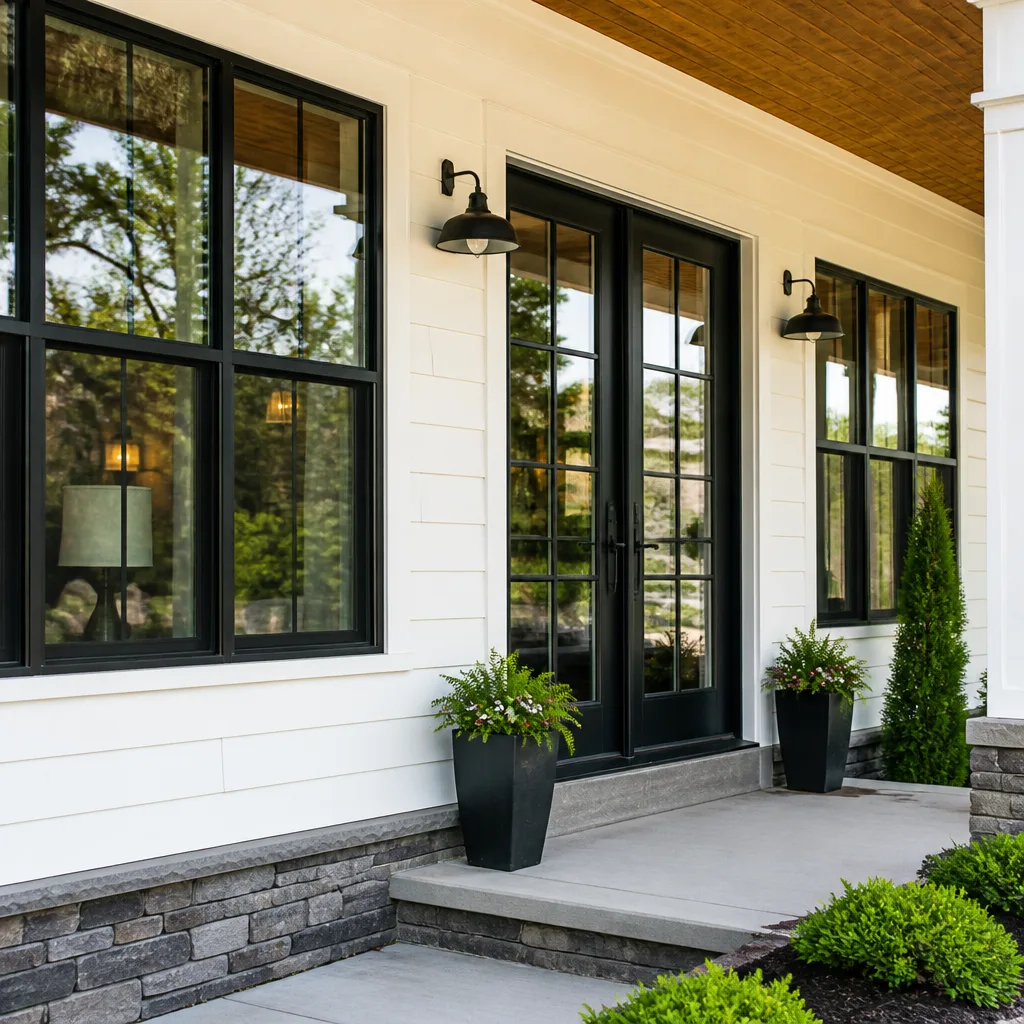 Windows & doors
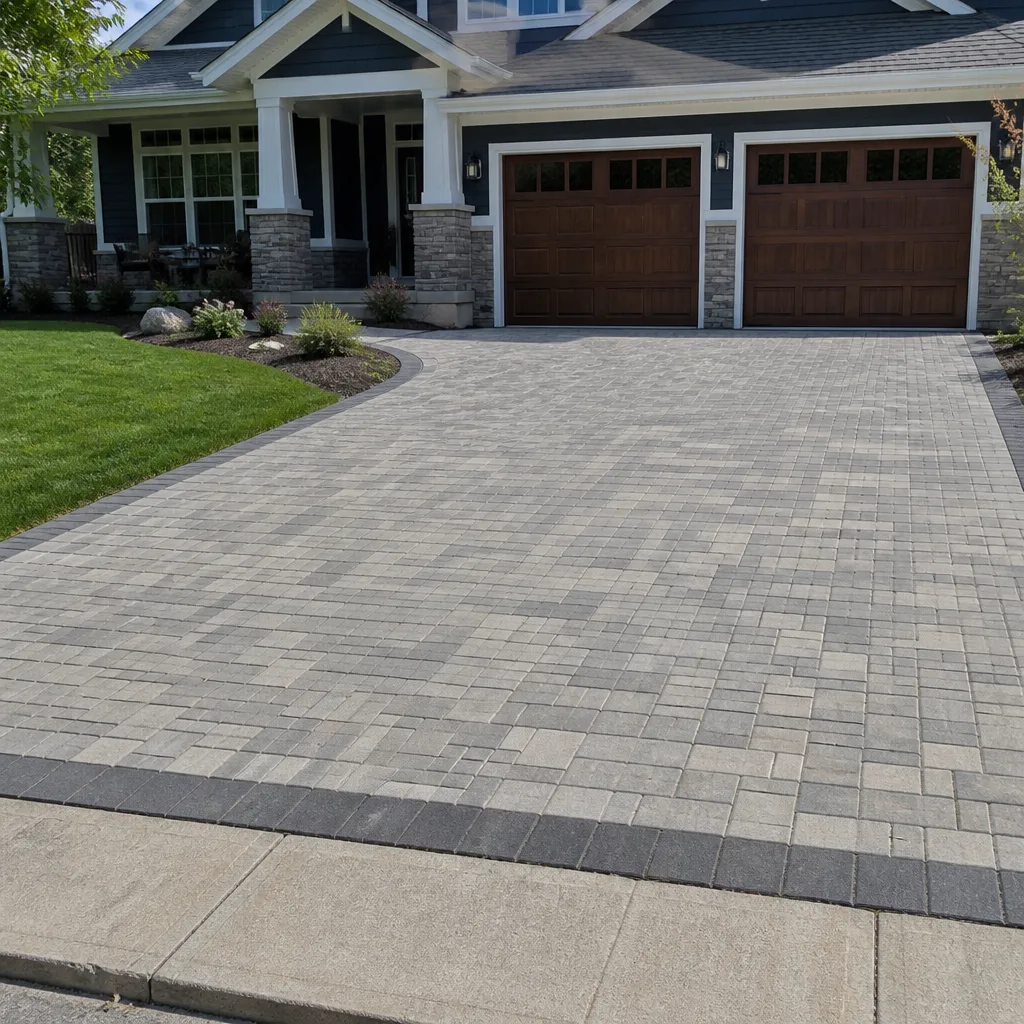 Driveway & pavers
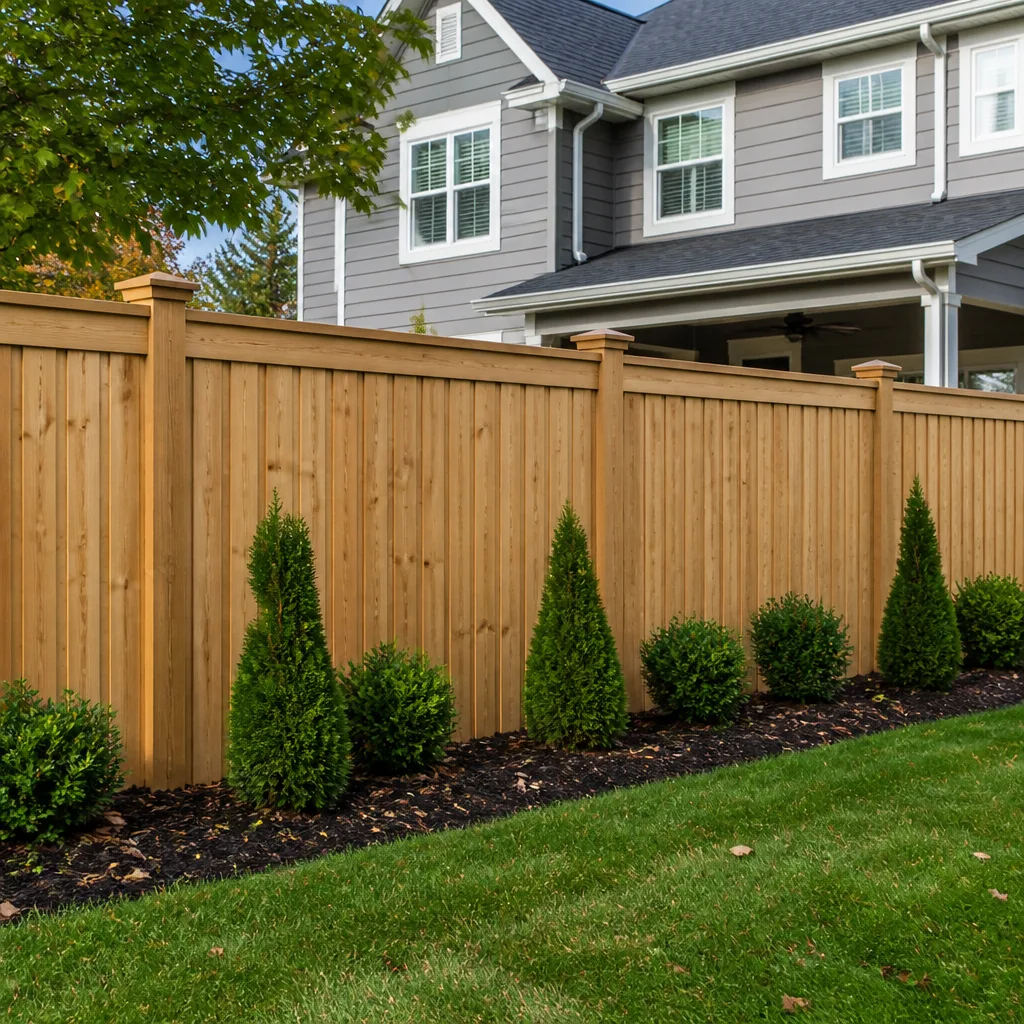 Fence
Free written scope consultation - allowances, timeline, and change-order rules on paper before a single trade is scheduled
How to Hire a Construction Contractor in South San Francisco: A Step-by-Step Guide
Three of the most common contractor fraud complaints filed with the California Contractors State License Board originate from homeowners who hired based on the lowest bid. That pattern costs Bay Area homeowners an estimated $300 million annually in incomplete or defective work. In South San Francisco, where permit workloads stretch and inspection delays are routine, the cost of choosing wrong compounds every single week. This guide walks through the full vetting process we recommend to homeowners in SSF, from license verification to contract structure to red flags specific to this city’s market. For The Complete General Contractor Guide for South San Francisco Homeowners, see our more detailed resource.
Styles & brands we work with
Quick Answer
To hire a construction contractor in South San Francisco, verify their California CSLB license status, confirm workers’ compensation coverage, check complaint history, ask specifically about their South San Francisco permit-pulling record, and structure a contract that line-items permit fees, finish materials, and inspection milestones. Then get at least three written bids that include the same scope so you can compare them honestly. Never let a contractor talk you into pulling permits yourself.
Table of Contents
- Why South San Francisco Is Different
- How to Read a CSLB License Record Beyond the “Active” Status
- Specialty Contractor vs. General Contractor: What Actually Matters
- The Permit Question: What to Ask and Why “You Pull the Permits” Is a Liability
- How to Structure a Contract That Holds Up
- Red Flags Specific to the South San Francisco Market
- How to Compare Bids Line by Line
- Common Mistakes to Avoid
- When to Call a Professional
- Frequently Asked Questions
- The Bottom Line
Why South San Francisco Is Different
South San Francisco sits in San Mateo County, which means local building permits route through the city’s Building Division, not San Francisco’s DBI. The city carries a heavier plan-review workload than many neighboring Peninsula municipalities because of ongoing commercial development clustered around Oyster Point and the biotech corridor. That workload directly affects residential projects. A kitchen remodel that takes six weeks to approve in a quieter jurisdiction can take ten or twelve in South San Francisco. The inspection calendar is similarly packed.
Climate plays a role too. Homes in the Westborough and Winston Manor neighborhoods deal with salt-air exposure and fog moisture that accelerate exterior material breakdown. A contractor who knows which siding and roofing systems hold up in South San Francisco’s specific microclimate—see our Seasonal Construction Care for South San Francisco: Year-Round Homeowner’s Guide—will specify differently than one working from a generic Peninsula bid template. That local knowledge is not marketing language. It is the difference between a James Hardie install done to manufacturer spec and one that voids the warranty because the installer didn’t account for moisture management details.
What this means in practice: hiring a contractor in South San Francisco is not primarily a price comparison exercise. It is a vetting process for accountability, because projects here routinely span six to eighteen months, and the wrong contractor relationship compounds every week of that timeline. Missed inspections, permit corrections, material delays from fog-season moisture, and subcontractor scheduling all scale with project duration. The contractor who communicates well on week two is the contractor you want on week forty.
How to Read a CSLB License Record Beyond the “Active” Status
Every homeowner knows to check that a license is active. Very few know what the rest of the record tells them. The California Contractors State License Board provides more than a status badge: it publishes bond amounts, workers’ compensation certificates, personnel associations, and complaint history. These fields matter more than the word “active.”
Here is what to actually look at when you pull a license record on cslb.ca.gov:
- Bond amount. California requires a $25,000 contractor license bond for most classifications. That is the floor, not the ceiling. A contractor carrying only the minimum bond has not chosen to distinguish themselves. A higher bond signals financial stability, but more importantly, it signals that the contractor has enough credit and liquidity to absorb a bad job without walking away.
- Workers’ Compensation certificate. If a contractor employs anyone, including day labor, they must carry workers’ comp. If the certificate is lapsed, expired, or absent when the contractor runs crews, the homeowner can be held liable for injuries on their property. This is not a theoretical risk. It is one of the fastest ways a project becomes a lawsuit.
- Complaint history. The CSLB only publishes complaints that have reached legal action or arbitration. A clean record is meaningful. A record with one or two older complaints may not be disqualifying, but read the details. A complaint about a payment dispute on a commercial job is different from a complaint about abandonment on a residential remodel in San Mateo County. Patterns matter more than isolated entries.
- Personnel associations. The license record lists the qualifying individual and any officers. If the contractor’s name does not appear anywhere on the license, ask who actually holds the qualifier. The person selling you the project should be the person legally responsible for it.
Millwright Builders operates under full general contracting licensure in California. We encourage every prospective client to verify our license status and ask about anything on the record that they do not understand. A contractor who resists that level of scrutiny is telling you something.
Specialty Contractor vs. General Contractor: What Actually Matters
California distinguishes between a General Building Contractor (Class B) and specialty classifications like C-39 Roofing, C-10 Electrical, and C-36 Plumbing. The distinction matters because of how liability flows. A specialty contractor is licensed to perform one trade. When a homeowner hires a specialist directly, they inherit the coordination burden: scheduling the demo, managing the sequence, resolving disputes between trades, and answering questions about whose work caused the problem when something fails.
A Class B general contractor holds legal accountability across trades. That is not a marketing distinction. It is a statutory one. When a general contractor in South San Francisco signs a contract for a kitchen remodel that includes plumbing, electrical, and cabinetry, they are legally responsible for the performance of every subcontractor they bring onto the site. If the electrician’s work fails inspection, the general contractor fixes it. If the plumber damages a wall, the general contractor repairs it. This is what the distinction means in practice.
Complex projects nearly always require a general contractor. A full exterior replacement involving roofing, siding, windows, and fencing touches multiple trades. An ADU addition touches foundations, framing, electrical, plumbing, and often prefab structure coordination. Trying to run that with three or four separate specialty contracts is how homeowners end up as unpaid project managers, and it is how gaps in workmanship occur at the seams where one trade ends and another begins.
Millwright Builders holds a general contractor license and operates across the full built environment of a home. From roofline to foundation, one contractor, one conversation. Our clients do not become project managers. They have one point of accountability for every trade on the site, which is the entire reason the general contracting classification exists. For more detail on how a general contractor operates across trades, see General Contractor in South San Francisco.
The Permit Question: What to Ask and Why “You Pull the Permits” Is a Liability
Every serious contractor in South San Francisco has pulled permits in South San Francisco. Ask for specifics. How many projects have they permitted through the city’s Building Division in the last three years? What classifications? Did any permits require correction cycles? A contractor with recent, successful permit history in this specific jurisdiction knows the plan reviewers, the inspectors, and the local code amendments. That familiarity converts directly into fewer weeks waiting on corrections.
A contractor who suggests the homeowner pull permits is offering to transfer a legal and financial liability onto you. When you pull a permit as the owner-builder, you become legally responsible for the work on that permit. If the contractor walks off mid-project, the permit is in your name. If the work fails inspection, the correction notice goes to you. If an injury occurs on the permitted site, the liability question starts with the permit holder. Professional contractors pull permits under their own license because that is what the license is for.
The right questions to ask:
- “Can you show me permits you have pulled with the City of South San Francisco in the last two years?”
- “What is your experience with correction cycles from the SSF Building Division, and how do you handle them?”
- “Will every trade on my project be covered under your license and permit?”
- “Who attends the inspections, and what happens if an inspection fails while you are not on site?”
When we renovate a home in South San Francisco, every permit is pulled under our license. Every inspection is attended by our team. Every correction is our responsibility. That accountability is the entire point of hiring a general contractor. For more on the scope of a residential renovation under one licensed contractor, see Home Renovation in South San Francisco.
How to Structure a Contract That Holds Up
The contract is where accountability is either written or waived. A one-page proposal with a total price and a handshake is not a contract. It is a receipt for a dispute. A proper construction contract for a South San Francisco project should be detailed enough that both parties can point to specific language when questions arise. In our experience, the best contracts are those that never end up in a lawyer’s hands because they answered every question before it was asked.
Here is what a defensible scope of work includes:
- Line-item permit fees. The contract should state exactly what the permit fees are for the city, what the plan check fees are, and who pays them. If a bid does not line-item permit fees, it is hiding a cost or planning to ask you to pay it later.
- Finish materials by brand and model. “Quartz countertops” is not a specification. “Cambria or Caesarstone quartz, selected from approved slab inventory, fabricator confirmed before purchase” is a specification. Write the material brands into the contract, not into a conversation.
- Subcontractor names or classes. The contract should identify the trades being subcontracted and how those subcontractors are vetted. You do not need every name on day one, but you do need a binding statement that all subcontractors are licensed, insured, and covered under the general contractor’s liability policy.
- Inspection milestones tied to payment. Payments should be tied to completed phases that pass city inspection, not to calendar dates. This structures the entire project schedule around the city’s inspection calendar, which is the schedule that actually governs work in South San Francisco.
- Change order procedure. The contract should specify that no change to scope or price is binding unless it is written, signed, and dated by both parties. Verbal change orders are how projects quietly grow by twenty percent.
Millwright Builders specifies the brand, explains the trade-off, and stands behind the install. We write finish materials into the contract because a homeowner should not be asked to remember what was said in a pre-construction meeting eight months earlier. The contract is the memory. For a broader look at what a full home remodel includes, see Home Remodeling in South San Francisco.
Red Flags Specific to the South San Francisco Market
Every market has its own patterns of contractor failure. South San Francisco has a few that we see more often than we would like:
- Unusually fast timelines on permit-heavy work. A contractor who promises a kitchen remodel in four weeks in South San Francisco is not giving you a realistic schedule. The city’s plan review and inspection calendar does not move that fast. A fast promise is either an unpermitted plan or a contractor who knows they will abandon the schedule later.
- Vague subcontractor arrangements. “I have guys” is not a subcontractor disclosure. Ask who the plumber is, who the electrician is, and whether they are licensed. A contractor who cannot name their trades is a contractor who is hiring whoever is available that week.
- Bids that do not line-item permit fees. We covered this above, but it bears repeating. Permit fees in South San Francisco are a real, known cost. A contractor who rolls them into a lump sum is not doing you a favor. They are withholding information.
- Pressure to sign before checking references. No legitimate contractor needs a signature today. The scariest phrase in this industry is “I have a slot that opens next week and two other bids out.” A real contractor has a schedule, not a countdown clock.
- Cash discounts that avoid paper trails. “I’ll knock off ten percent if you pay in cash” often means “I do not want this income on my books and I am not paying workers’ comp on the crew.” It also means your contract protections may be unenforceable.
In the Terrabay and Westborough areas, we also see a specific pattern with homes built in the 1960s and 1970s: original electrical panels, cast iron drain lines, and single-pane windows. A professional contractor in South San Francisco knows to check for these conditions before bidding. A low bid that does not account for a panel upgrade or a drain line replacement is a bid that will change the moment walls are opened.
How to Compare Bids Line by Line
Comparing contractor bids is where most homeowners make the mistake that starts the spiral. They look at the bottom number and choose the lowest bid, then discover that the low bid excluded permit fees, specified builder-grade materials, or excluded the discovery work that the higher bids included honestly. The dollar difference was never real. It was a comparison between two different projects.
Here is the process we recommend for comparing bids in South San Francisco:
- Reject any bid that does not line-item permit fees, materials, labor, and subcontractor costs. A lump-sum bid cannot be compared to anything.
- Create a column for each bid and a row for each line item. If one bid includes a line and another does not, ask why. The missing line is either an exclusion or an oversight, and neither is acceptable.
- Check the material specifications. Is one bid specifying KraftMaid or Wellborn cabinetry while another specifies a no-name import? Is one bid specifying a GAF or Owens Corning roof while another specifies a product you have never heard of? The material difference is often thousands of dollars, and it is the difference between a fifteen-year install and a thirty-year install.
- Ask each bidder the same discovery questions. “What happens if you open the wall and find the drain lines need replacement?” If one contractor says that would be a change order and another says they already included a contingency for it, the second bid is higher and more honest.
- Compare timelines against the city’s inspection calendar. A bid that promises a faster timeline on permit-heavy work is either underestimating the city’s workload or planning to cut corners.
Millwright Builders sources from a curated network of more than fifty established brands, from Cambria and Caesarstone quartz to GAF and CertainTeed roofing to James Hardie siding. We specify brands because we know the performance trade-offs. A homeowner is not handed a thin catalog and told to pick. They are given real options and a builder who can explain the difference between a product that will hold up in South San Francisco’s fog belt and one that will not. Every product we install, we have vetted, not just stocked.
Common Mistakes to Avoid
- Hiring the lowest bid without reading the exclusions. The lowest bid in South San Francisco is almost always the lowest because it excluded something. Find the exclusion before you sign.
- Pulling permits yourself. Owner-builder permits make you the legally responsible party. Do not accept this arrangement from any contractor.
- Signing a one-page proposal. A single-page contract cannot hold a six-month project. If the contract does not specify materials, milestones, and change order procedures, it protects no one.
- Financing the project through the contractor. Never let a contractor arrange financing. Arrange your own through a bank or credit union. Contractors are builders, not lenders.
- Skipping the workers’ comp check. Verify the certificate on the CSLB record, not on a copy the contractor hands you. A copied certificate can be outdated or fabricated.
- Paying 50% down before any work begins. California law limits the down payment on home improvement contracts to 10% or $1,000, whichever is less. A contractor asking for more is either uninformed or testing you.
- Not visiting a current or recent job site. Ask for a job in progress or completed in the last six months. Go look at it. If the contractor will not provide one, that is the answer.
When to Call a Professional
Some projects are unmistakably beyond the scope of a specialty contractor or a DIY weekend. A full kitchen and bath renovation that moves plumbing and electrical, a home addition, an ADU in the South San Francisco flood zone or hillside areas, a whole-home exterior replacement with siding, roofing, windows, and fencing, or a prefab structure installation requiring coordinating multiple trades and manufacturer specifications. These are general contractor projects, and they are where a Class B license actually matters.
Millwright Builders offers free estimates in South San Francisco. Call (866) 925-0334 to discuss your project scope, and we will give you a straight answer about what it requires. Our work spans Millwright Builders home services from full interior remodels to roof deck down through foundation and hardscape, and we would rather tell you a project is smaller than you think than sell you a scope you do not need.
Frequently Asked Questions
Expect six to eighteen months for a substantial remodel in South San Francisco, depending on scope and the city’s current permit workload. A kitchen remodel typically runs two to four months from permit issuance to final inspection, while an addition or ADU commonly runs six to twelve months. Faster timelines usually mean either an unpermitted project or a contractor planning to cut corners. Call (866) 925-0334 for a realistic timeline on your specific project.
General contractor fees in San Mateo County typically run 15% to 25% of the total project cost, depending on scope and complexity. A $150,000 kitchen remodel might carry $22,500 to $37,500 in contractor overhead and profit, while a $400,000 addition would run $60,000 to $100,000. The fee bundles project management, scheduling, subcontractor accountability, and warranty responsibility under one contract. Call (866) 925-0334 to get an exact written estimate for your project.
A Class B General Building Contractor is licensed to manage and perform work across multiple trades, holding legal accountability for every subcontractor on the job. A Class C specialty contractor is licensed for one trade, such as roofing (C-39) or electrical (C-10). For complex projects spanning multiple trades, a Class B general contractor is the legal structure that keeps one party accountable for the entire build.
No. When you pull an owner-builder permit, you become legally responsible for the work, the inspections, and any corrections. Your contractor should pull all permits under their own license. Any contractor who asks you to pull permits is asking you to accept liability they should be carrying.
Search the contractor’s name or license number on the CSLB website at cslb.ca.gov. Check that the license is active, that the bond is current and at least $25,000, that workers’ compensation is certified if the contractor runs crews, review any complaint history, and confirm that the person selling you the project is named on the license record.
A California home improvement contract should include a detailed scope of work with line-item permit fees, finish materials specified by brand and model, subcontractor arrangements, payment milestones tied to inspection completion, a written change order procedure, and a completion date adjusted for permit and inspection delays. Under California law, the down payment cannot exceed 10% of the contract price or $1,000, whichever is less. Call (866) 925-0334 to talk through what our contracts include.
The Bottom Line
Hiring a contractor in South San Francisco is not about finding the cheapest number. It is about finding the contractor whose license record is clean, whose permit history in this city is real, whose contract protects you through the full project timeline, and whose material standards match what you are actually paying for. The right contractor costs more on paper and less in practice. The wrong contractor costs less on paper and more every week after the walls come down. Call (866) 925-0334 for a free estimate and a straight conversation about your project, or explore more guides & resources on our blog.
Written by the team at Millwright Builders, serving South San Francisco since 2014.
See the difference
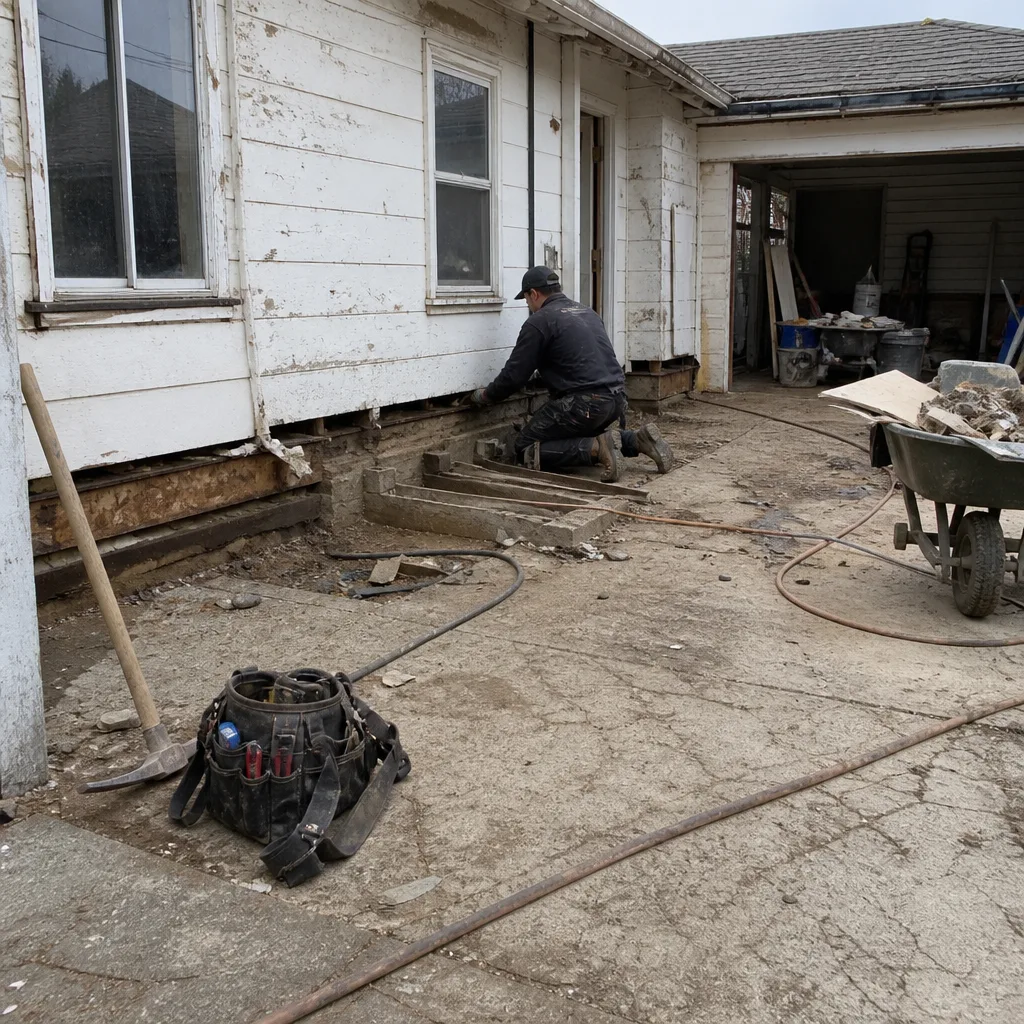 Before
 After
 Before
 After
 Before
 After