
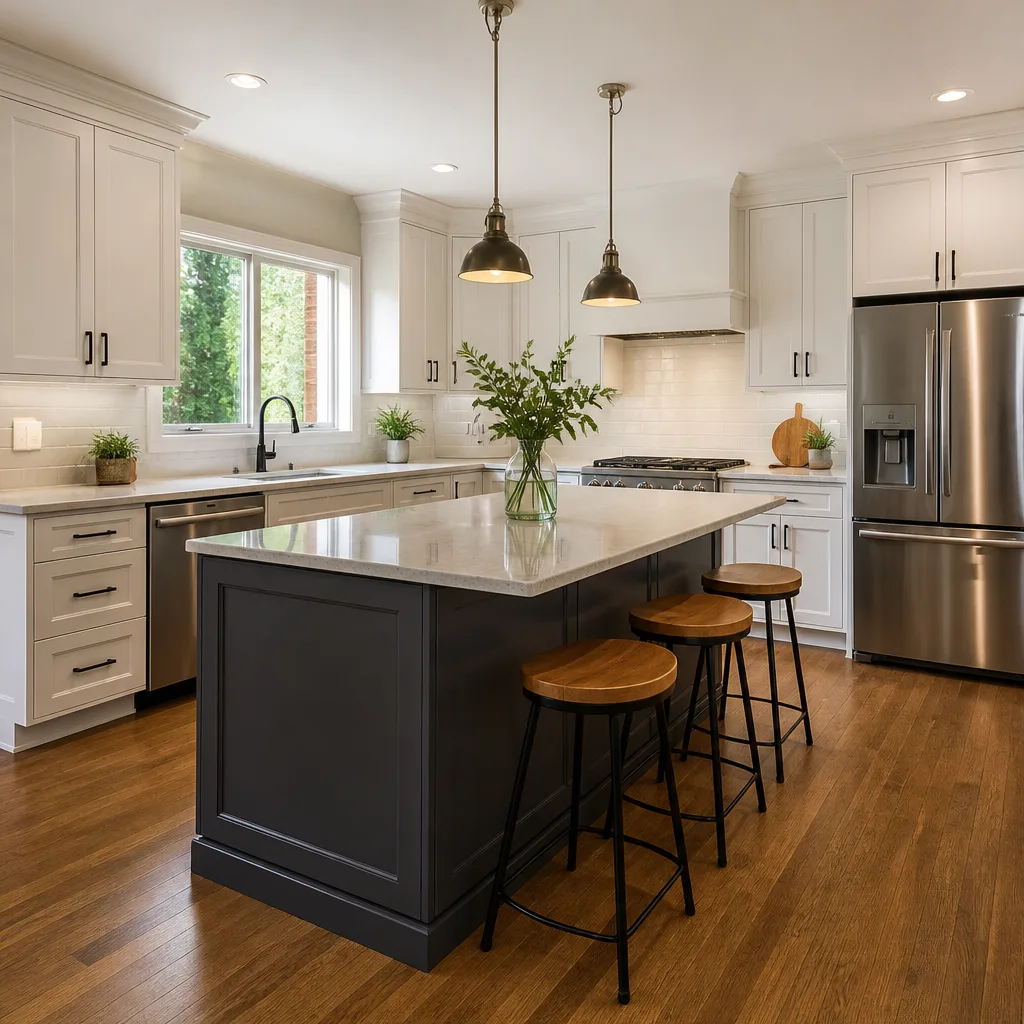
 Kitchen remodeling
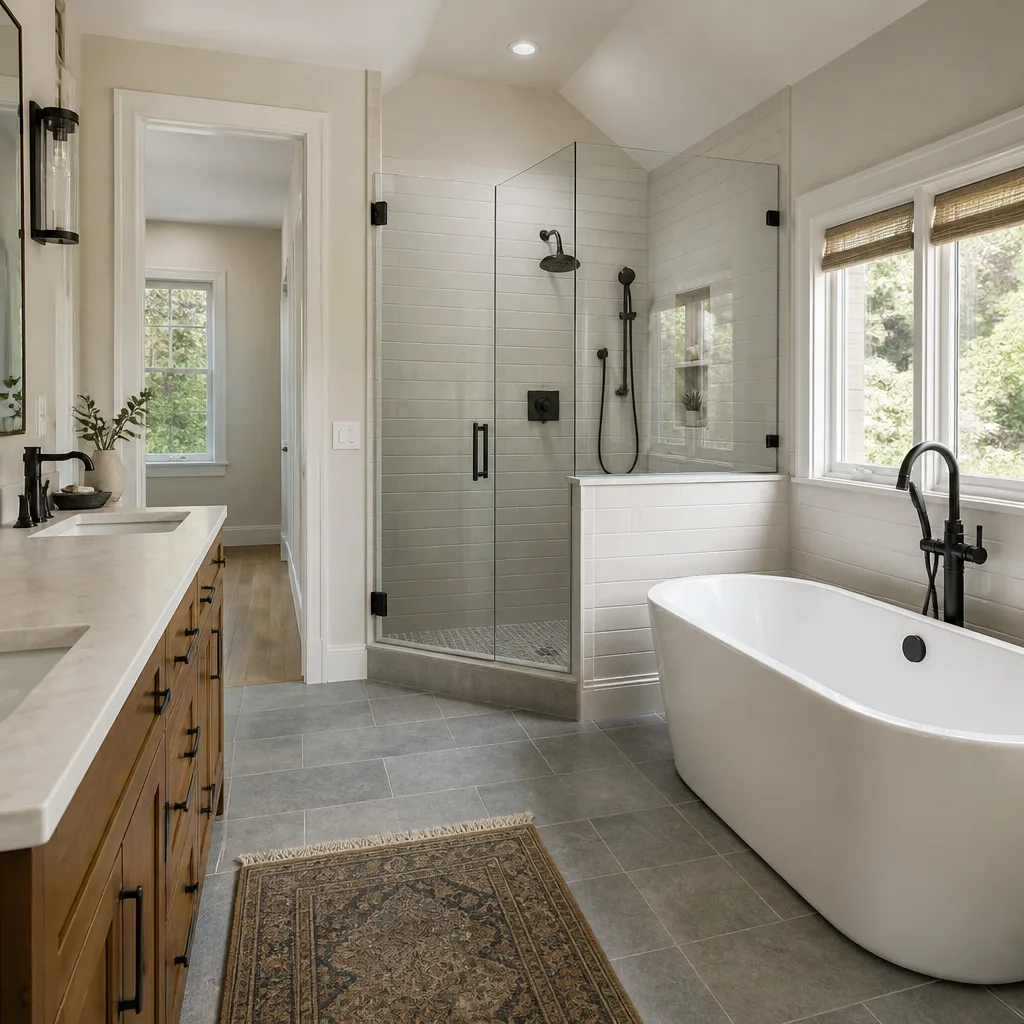 Bathroom remodeling
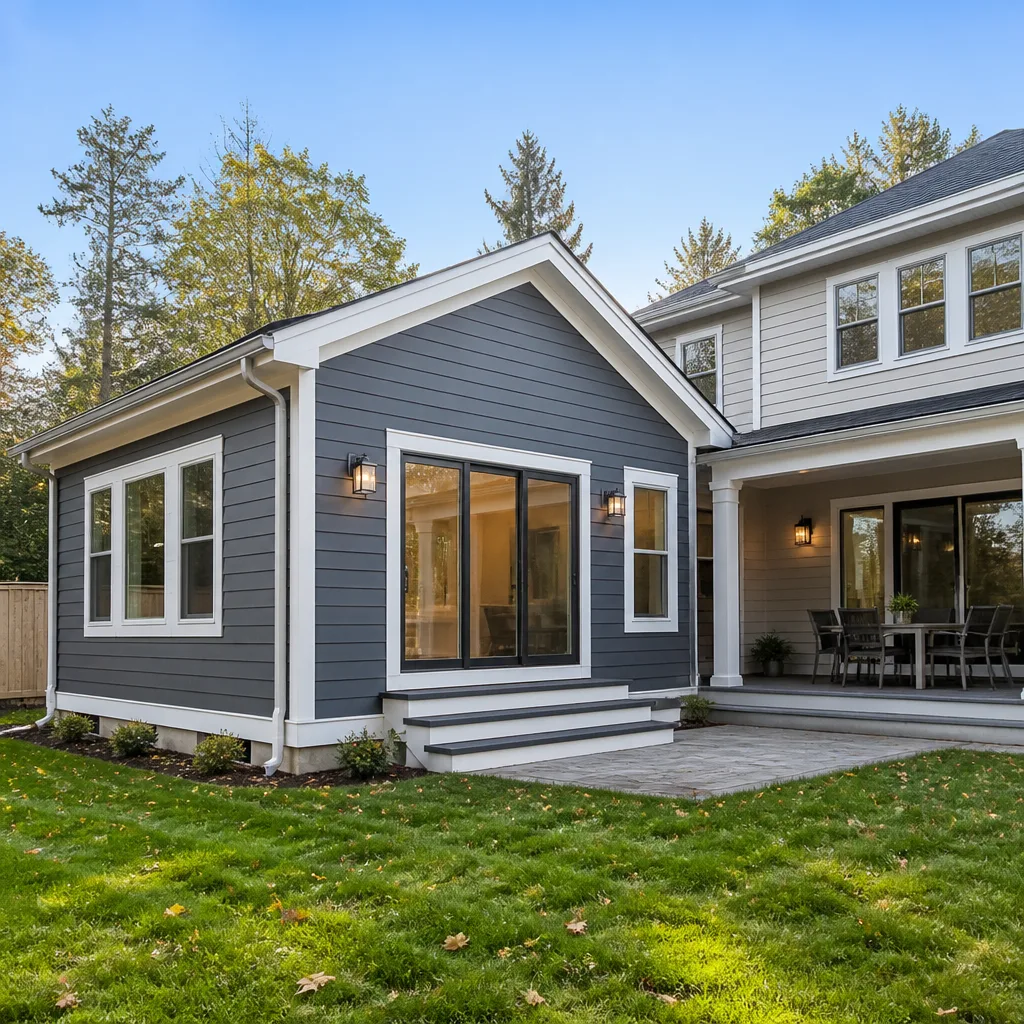 Home additions & ADU
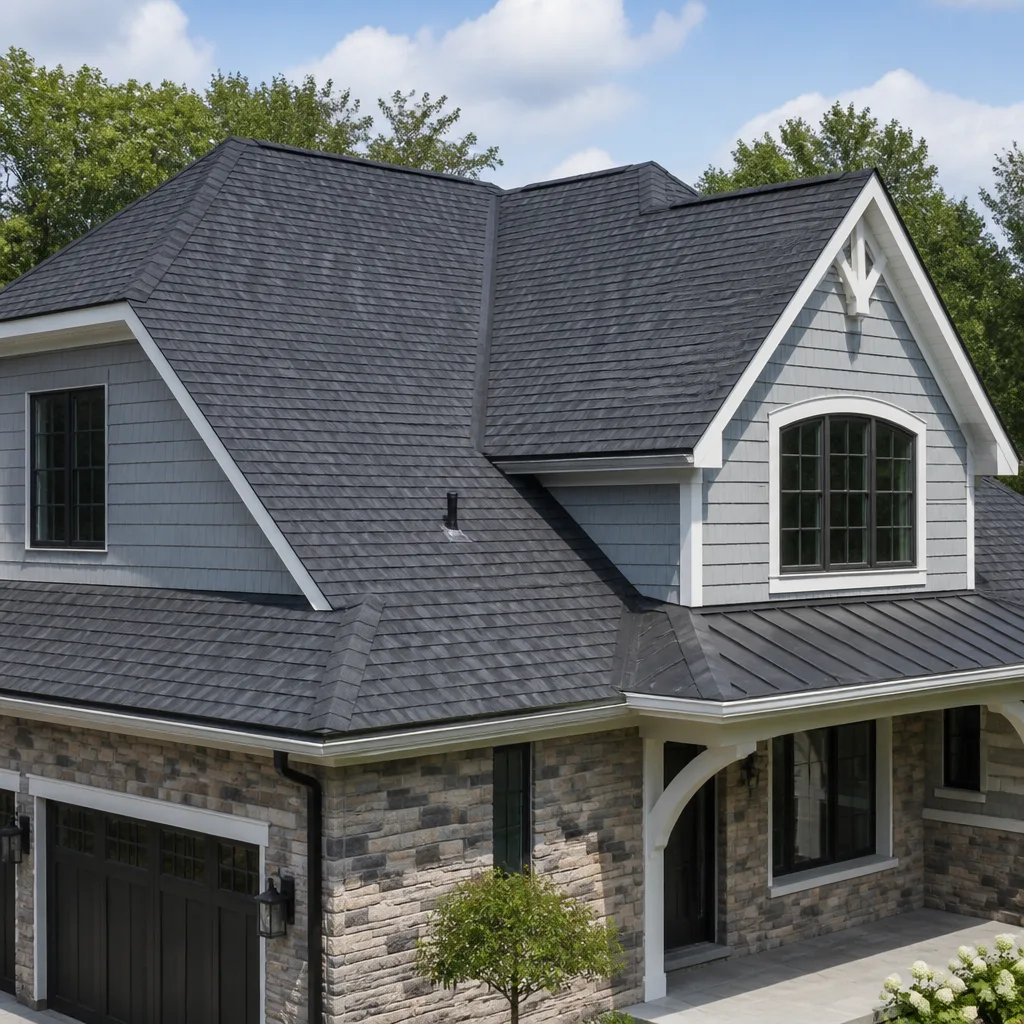 Roofing
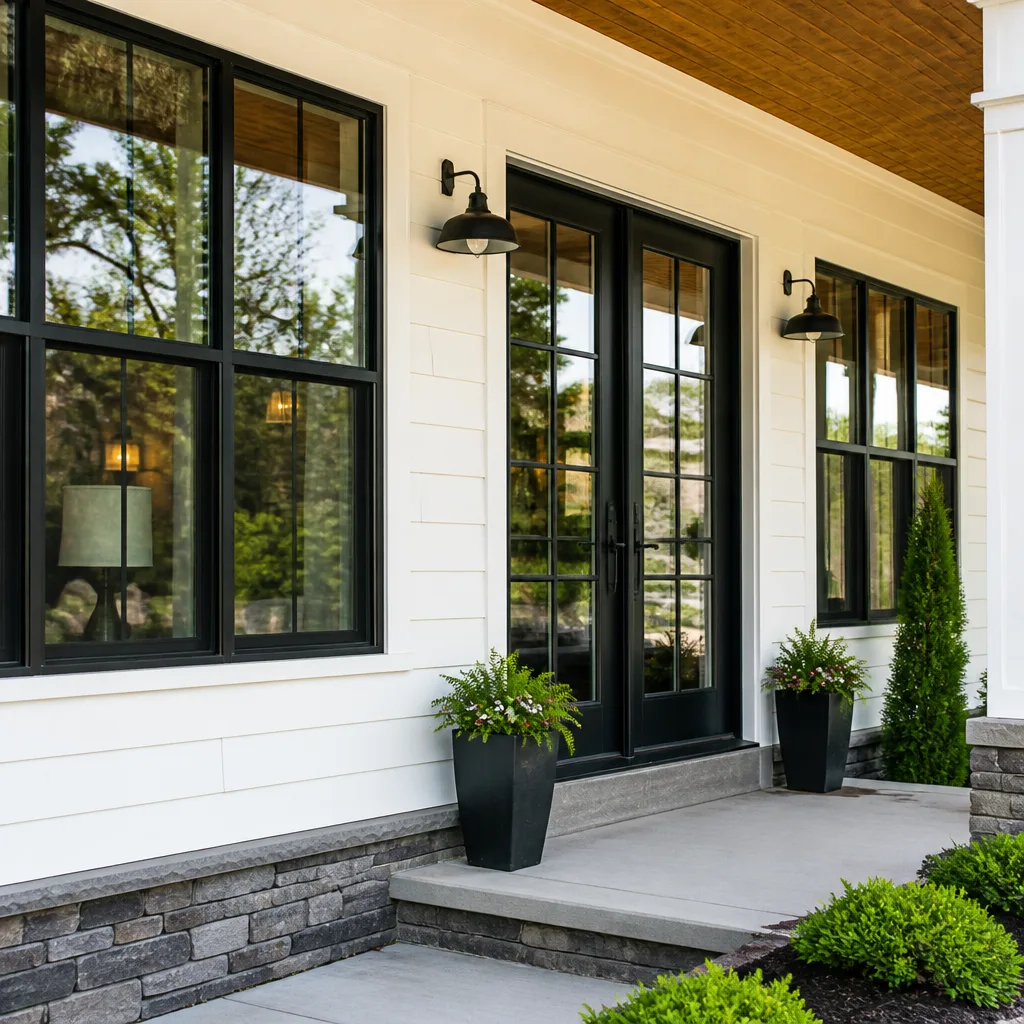 Windows & doors
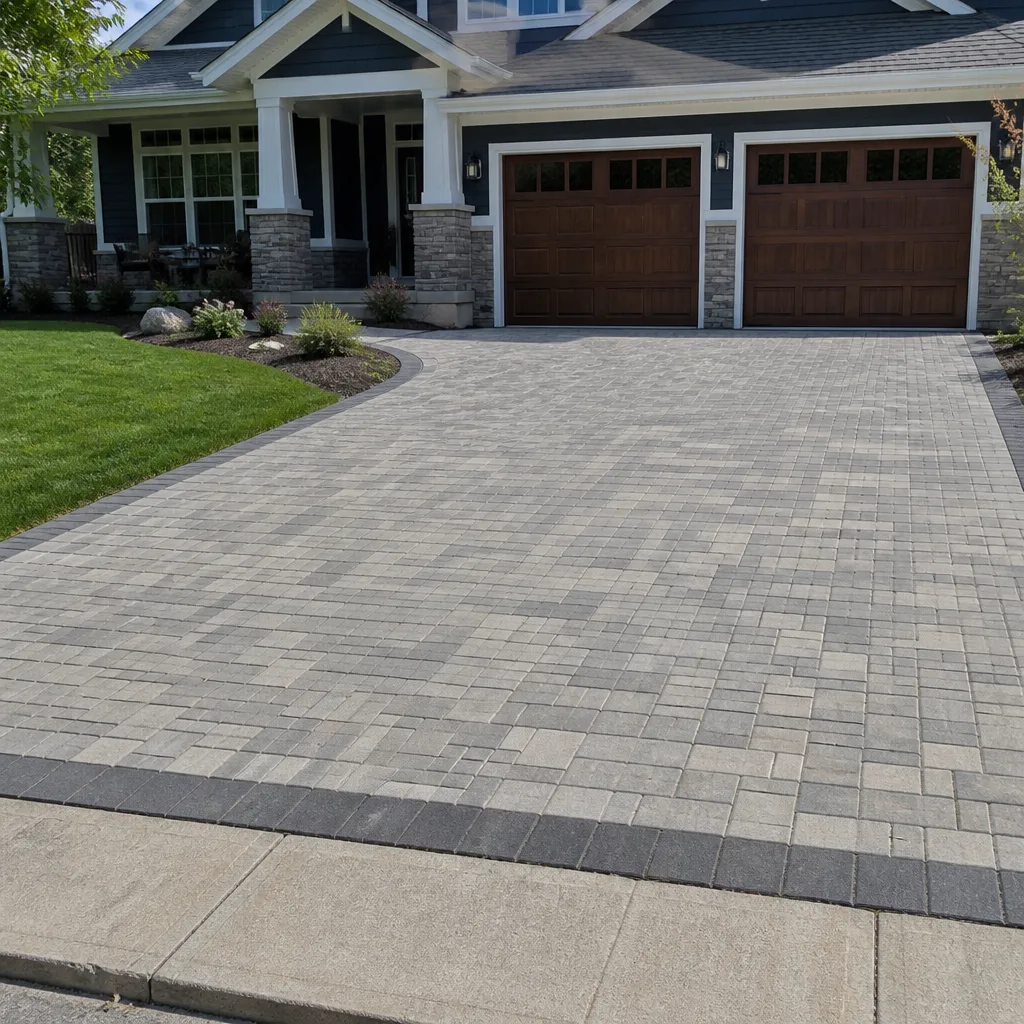 Driveway & pavers
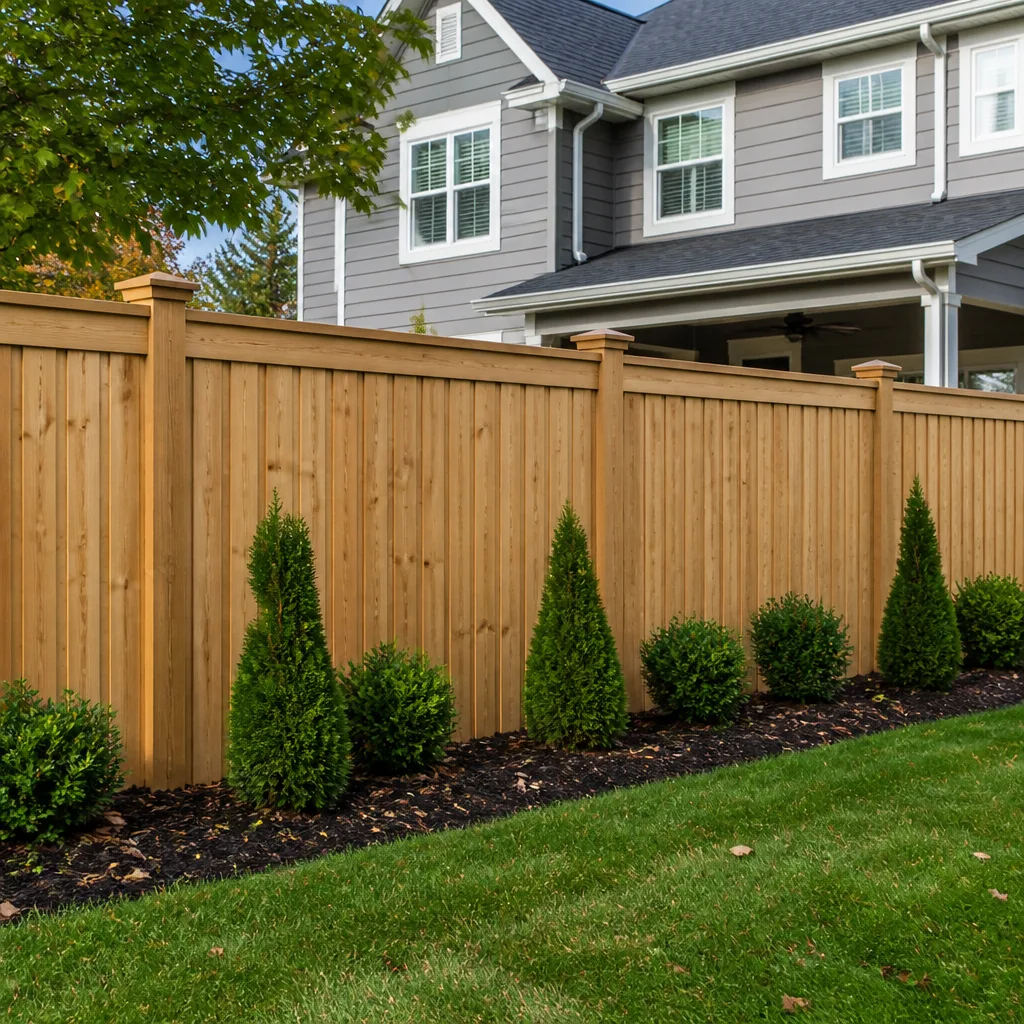 Fence
Free written scope consultation - allowances, timeline, and change-order rules on paper before a single trade is scheduled
Styles & brands we work with
See the difference
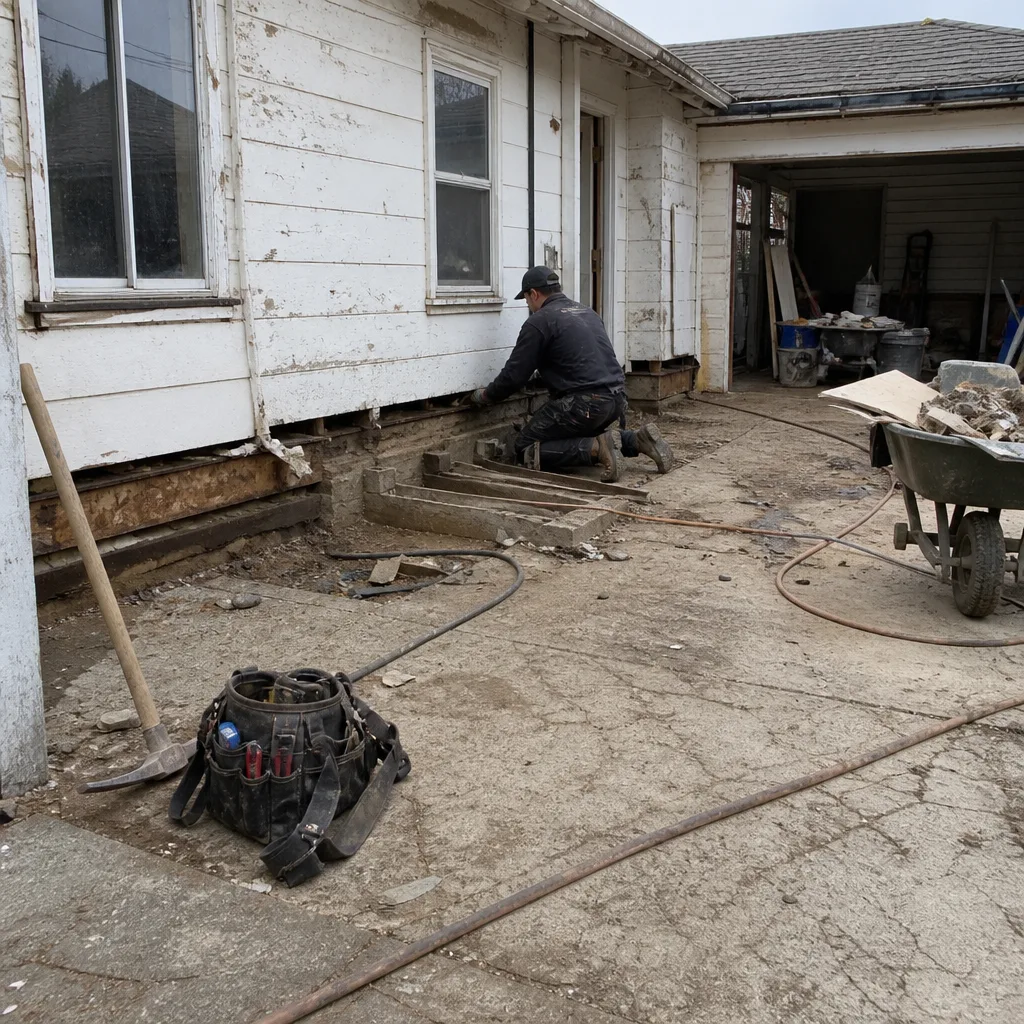 Before
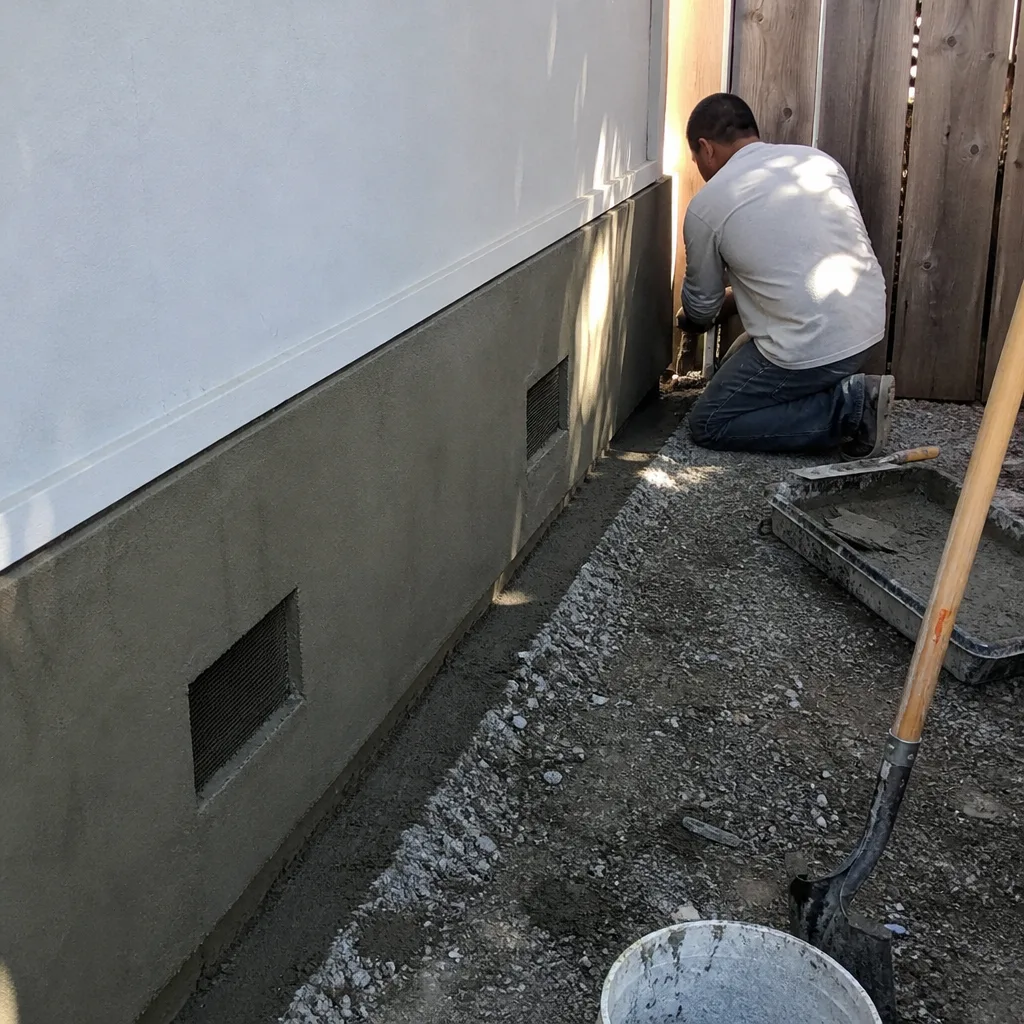 After
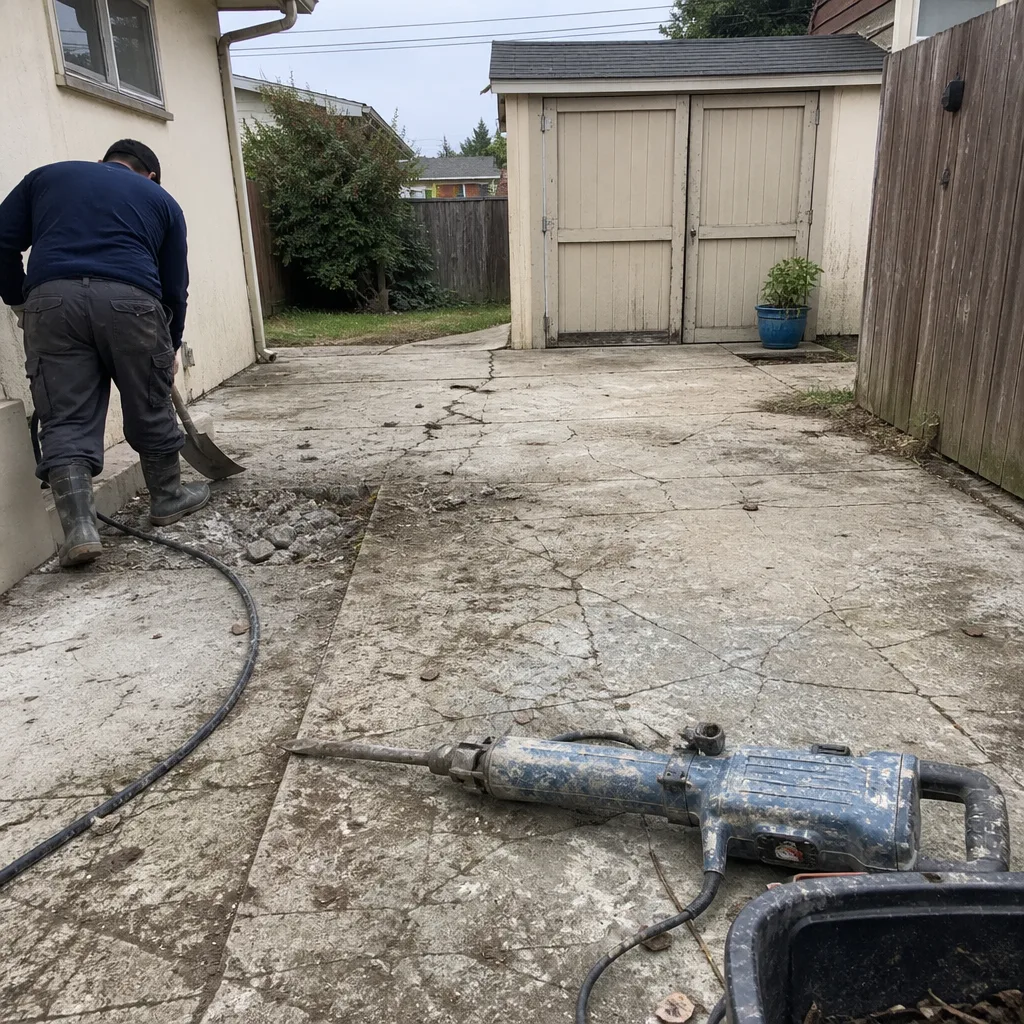 Before
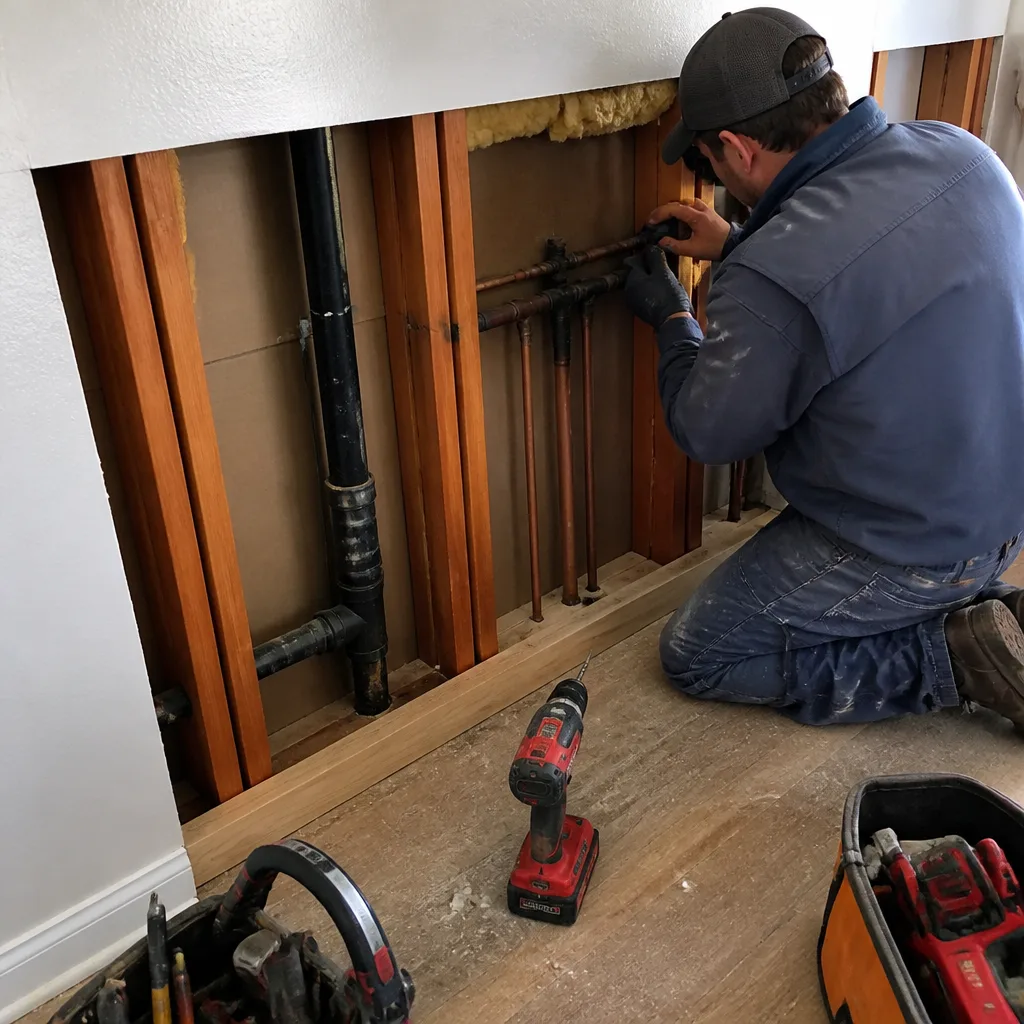 After
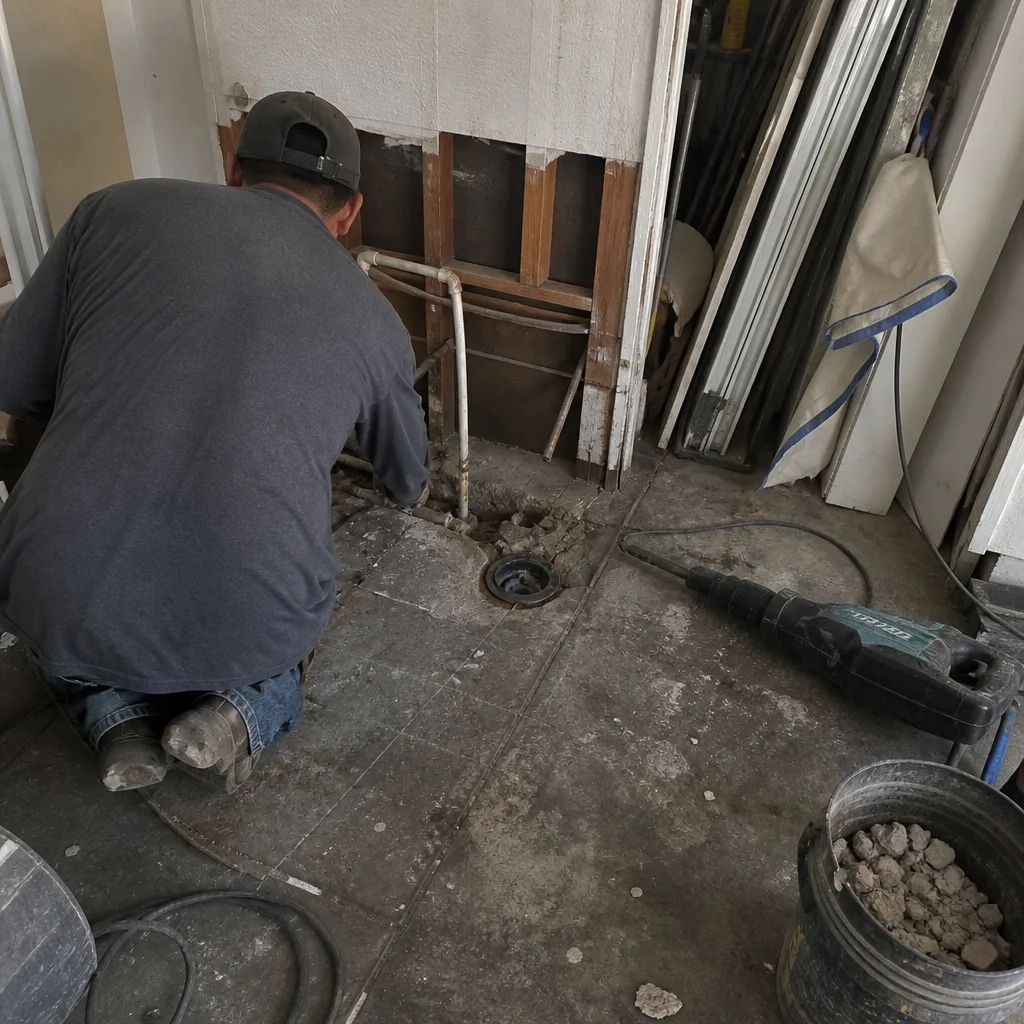 Before
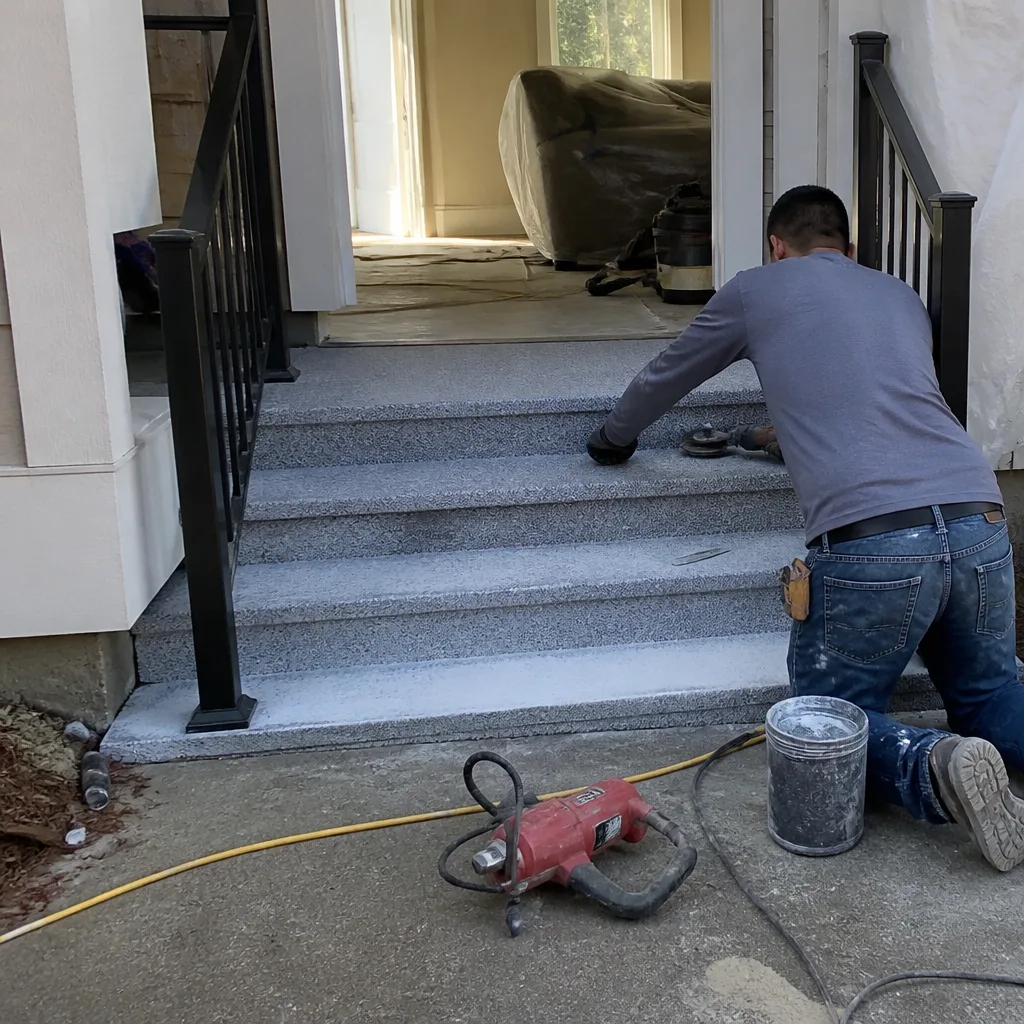 After
How Much Does Kitchen Island Installation Cost in South San Francisco?
Kitchen island installation in South San Francisco typically runs $3,540 to $11,800 depending on island size, cabinetry grade, countertop material, and whether electrical or plumbing has to be run to the island. A basic prefab island with a butcher-block top lands near the bottom of that range, while a full custom island with quartz counters, seating overhang, and rough-in for a prep sink and outlets sits at the top. Most South San Francisco homeowners we work with fall somewhere in the middle, around $6,000 to $8,500 for a functional island that matches the rest of the kitchen.
Key Takeaways
- Most islands in South San Francisco price between $3,540 and $11,800 installed.
- Countertop material and electrical/plumbing work are the two biggest cost drivers.
- A permit is usually required when you add power or water to an island; the cost of pulling it is folded into the project budget.
- Custom cabinetry, name-brand countertops, and correct ventilation over the island can push a project toward the top of the range.
- Free estimates are available by calling (866) 925-0334.
Kitchen Island Installation Cost Breakdown (2026)
Here’s what the line items look like in the South San Francisco market for 2026. These ranges reflect real installed pricing, not retail cabinet tags, and include labor.
| Line Item | Typical Cost Range |
|---|---|
| Standard (stock/prefab) island, basic top | $3,540 – $5,900 |
| Semi-custom cabinetry island, mid-grade top | $5,310 – $8,260 |
| Fully custom island with seating overhang and premium quartz | $8,260 – $11,800 |
| Countertop fabrication and install (quartz, per island) | $2,360 – $7,670 |
| Electrical rough-in (outlets, under-counter lighting) | $500 – $1,500 |
| Plumbing rough-in for prep sink or dishwasher | $700 – $2,000 |
| Cabinet installation labor (per island) | $1,200 – $3,500 |
| Permit fees (South San Francisco, when required) | $150 – $600 |
The numbers that move your project up or down are the countertop material and whether you’re bringing utilities to the island. Quartz from Cambria or Caesarstone carries a higher material cost than laminate or butcher block, but it also brings a manufacturer warranty and holds up far better in a busy kitchen. Running a dedicated 20-amp circuit or a drain line across a finished floor is the other swing factor. On homes we’ve done in the older pockets of South San Francisco, the crawlspace or slab condition can add a half day of labor that wouldn’t show up in a newer build.
If you’re weighing the island against the rest of the kitchen scope, our home remodeling services cover the whole room so the island install happens in step with cabinet and countertop work, not after it.
What Affects Kitchen Island Installation Pricing in South San Francisco
- Island size and shape. A 4-foot prep island and a 9-foot island with a three-seat overhang use very different amounts of cabinetry and countertop slab. Slab seams, edge profiles, and overhang support all add to fabrication cost.
- Countertop material. Quartz, granite, and other natural or engineered stone sit at the top of the range. We source Cambria, Silestone, and Caesarstone, which carry their own manufacturer warranties, and we can explain the trade-off between a $4,000 quartz top and a $900 butcher-block top in practical terms.
- Utilities. Adding outlets, a prep sink, a dishwasher, or a cooktop to an island means roughing in electrical or plumbing. On a slab foundation, which is common throughout South San Francisco, running a drain means saw-cut work and concrete patching. That’s real cost, and it’s why an island with a sink costs meaningfully more than one without.
- Foundation and floor conditions. Homes built in the 1940s through 1960s in neighborhoods like Old Town and the Westborough area often have uneven floor framing that needs leveling before cabinetry goes down. A level island matters; a rocking island will crack grout and open seams within a year.
- Permits and South San Francisco building requirements. South San Francisco has its own permitting process and inspection timeline. An island that adds a new electrical circuit, a plumbing fixture, or relocates gas requires a permit and typically an inspection. Managing that paperwork is part of what a licensed general contractor handles. We pull the permit and schedule the inspection so you’re not the one chasing it.
- Ventilation and code clearance. An island cooktop requires a correctly sized downdraft or island hood and proper clearances to combustibles. Getting this wrong is both a safety problem and a failed inspection. We spec the ventilation to the appliance, not the other way around.
One more local factor that comes up more in South San Francisco than in most Bay Area cities: many homes sit on narrow lots with tight side-yard access, which affects how large countertop slabs get delivered and moved in. When a slab can’t come through the front door, it comes through a window or over a fence, and that adds labor. We plan slab delivery before the truck ever shows up. Learn more about how we handle this on our home renovation services page.
How to Save on Kitchen Island Installation
The range above is real, but there’s room to work within it. A few practical ways South San Francisco homeowners keep island costs down without ending up with something they’ll want to redo in three years:
- Choose semi-custom cabinetry. Brands like KraftMaid and Wellborn offer solid construction and a range of door styles at a lower cost than fully custom millwork, and the finished island looks nearly identical.
- Put the money in the top, not the cabinets. A mid-grade cabinet box with a durable quartz top often performs better over ten years than a high-end cabinet with a cheap laminate top that delaminates near the sink.
- Skip the sink if you don’t need it. The prep sink is the single easiest way to add $1,000 to $2,000 to a project. If your main sink is close, an island without one saves real money.
- Keep the island footprint reasonable. A 6- to 7-foot island handles most prep and seating needs. Going to 9 feet pushes into a higher cabinet and slab tier for space you may not use.
- Bundle the island into a larger kitchen scope. When the island install goes in alongside cabinet and countertop work, mobilization and labor costs amortize across the whole project. A standalone island is almost always more expensive per square foot.
Estimates are free, and we’ll walk you through the actual numbers before you commit to anything. Call (866) 925-0334 and we’ll set a time to look at your kitchen.
What Does a Kitchen Island Actually Cost to Add to an Existing Kitchen?
Adding an island to an existing kitchen in South San Francisco generally costs $3,540 to $8,260 when you’re working within the current footprint and don’t need new gas or major electrical. The cost is higher than a from-scratch kitchen build in some cases because you’re retrofitting around existing floors, cabinets, and appliances. If the island replaces a run of cabinets or requires moving the range, add $1,500 to $3,000 for the reshuffling.
The physical install itself is where inexperienced crews get into trouble. An island has to be scribed to the floor, secured so it doesn’t shift under a hip check, and wired or plumbed in a way that survives inspection. A licensed general contractor coordinates all three trades – carpenter, electrician, plumber – under one contract. That’s the value of a full-scope builder: one accountable point instead of three separate calls and schedules. If you’d rather see how a full kitchen comes together around the island, our Kitchen Island Installation in South San Francisco page walks through the process step by step.
Is It Cheaper to Build an Island or Buy a Prefab One?
A prefab island typically costs $1,200 to $3,000 for the unit, with installation adding $400 to $800, while a custom built-in island ranges from $5,000 to $11,800 installed. The catch with prefab is that it’s usually movable, not secured, and often undersized for real kitchen work. Finishes rarely match existing cabinetry, and adding electrical to a freestanding unit is awkward at best. For a rental or a very small kitchen, prefab makes sense. For a primary kitchen in a South San Francisco home you plan to stay in, the built-in option performs better and holds value.
Does a Kitchen Island Add Value in South San Francisco?
Yes, an island adds functional value in most South San Francisco homes, particularly in the older housing stock where kitchens were originally built small. A well-executed island expands usable counter space and seating, which buyers notice. The return is highest when the island matches the rest of the kitchen’s finish level rather than standing out as an obvious add-on. We specify materials that coordinate with existing cabinetry, and where existing finishes are dated, we can bring them into the same project so the island doesn’t look grafted in.
Why Choose Millwright Builders for Your Kitchen Island Installation?
We’re a licensed general contractor, not a specialty cabinet sub. That matters on an island project because the work crosses trades: carpentry, electrical, plumbing, sometimes gas, sometimes tile for a backsplash behind the sink. From the roofline to the back patio, one contractor, one conversation. Your renovation shouldn’t require you to become a project manager.
We work with 50+ vetted brands across the home. On cabinetry that means KraftMaid and Wellborn; on countertops, Cambria, Silestone, and Caesarstone with their manufacturer warranties intact; on plumbing fixtures, Kohler, Grohe, Toto, and Blanco – not builder-grade defaults. When you’re choosing an island top, we explain how each material handles heat, staining, and everyday wear in a real South San Francisco kitchen, not just how it looks in a showroom. Every product we install, we’ve vetted, not just stocked.
And because we handle the full envelope of the home – roofing through GAF and Owens Corning, siding through James Hardie, windows through PGT and Therma-Tru – we can take on a kitchen island as part of a broader transformation without handing you off to a subcontractor for the other phases. If your project also touches the exterior, that’s a single contract. If it grows to include an ADU, we work with prefab partners including Abodu, Dvele, Mighty Buildings, and Boxabl. Few general contractors in San Mateo County can say the same.
FAQs – Kitchen Island Installation Cost in South San Francisco
How much does kitchen island installation cost in South San Francisco?
Kitchen island installation in South San Francisco costs $3,540 to $11,800 installed, with most projects landing between $6,000 and $8,500. The low end is a standard island with a basic top; the high end is a custom island with premium quartz, seating overhang, and rough-in for electricity and plumbing. Call (866) 925-0334 for an exact quote on your kitchen – estimates are free.
Can you install a kitchen island in a day?
A prefab island can often be installed in a single day, but a custom built-in island with countertop fabrication typically takes three to five working days from cabinet delivery to final install, spread across multiple visits. Countertop fabrication alone runs several days at the stone shop. If the island needs new electrical or plumbing, add time for the permit and inspection. We schedule the full sequence so you know what happens when. Call (866) 925-0334 to talk through your timeline.
Do I need a permit for a kitchen island in South San Francisco?
You need a permit when the island adds a new electrical circuit, a plumbing fixture (sink, dishwasher), or a gas line. In South San Francisco, plan on $150 to $600 in permit fees plus the inspection time, which is folded into the project schedule. A freestanding island that only sits on the floor and plugs into an existing outlet usually doesn’t require one. We confirm what your specific project needs before we start. Call (866) 925-0334 with questions.
What’s the cheapest way to add an island to my kitchen?
The lowest-cost path is $1,200 to $3,000 for a prefab, movable island with a butcher-block or laminate top and no utility work. It’s a real option for small kitchens and rentals. For a permanent built-in island that matches your existing cabinetry and holds resale value, budget $5,000 to $8,260, which covers semi-custom cabinetry, a quartz top, and installation. Call (866) 925-0334 and we’ll tell you honestly which makes sense for your kitchen.
Is it cheaper to repair or replace a damaged kitchen island?
Repair is almost always cheaper when the cabinet boxes are sound – refinishing or replacing just the doors and drawer fronts runs $800 to $2,500, versus $3,540 to $11,800 for a full replacement. If the cabinets have water damage, drawers that don’t track, or if the island was built undersized for the way you cook, replacement makes more sense. We’ll tell you which situation you’re in during a free estimate. Call (866) 925-0334.
Get a Free Kitchen Island Installation Estimate in South San Francisco
If you’re planning a kitchen island and want real numbers for your specific space, call (866) 925-0334. We’ll walk your kitchen, talk through materials from cabinets to countertops, and give you a written estimate with the line items laid out. No pressure, no obligation. Whether you’re in Old Town, Westborough, or the neighborhoods near the South San Francisco BART line, we’ll meet you where you are and tell you what the project actually takes.
Pricing reflects the South San Francisco market as of 2026. Millwright Builders offers free estimates – call (866) 925-0334.
What Our Customers Say
"Every inspection passed first time. The building department clearly knows him and that made the whole process easier."
— Marco Martinez"Weekly site meeting, every week, with a written summary afterward. I always knew where the money and the schedule stood."
— Eduardo Torres"Excellent build. Costs came in about six percent over the original contract, driven mostly by material price movement during the build, which he documented each time."
— Priya Mehta