
Last updated October 30, 2026
 Home additions & ADU
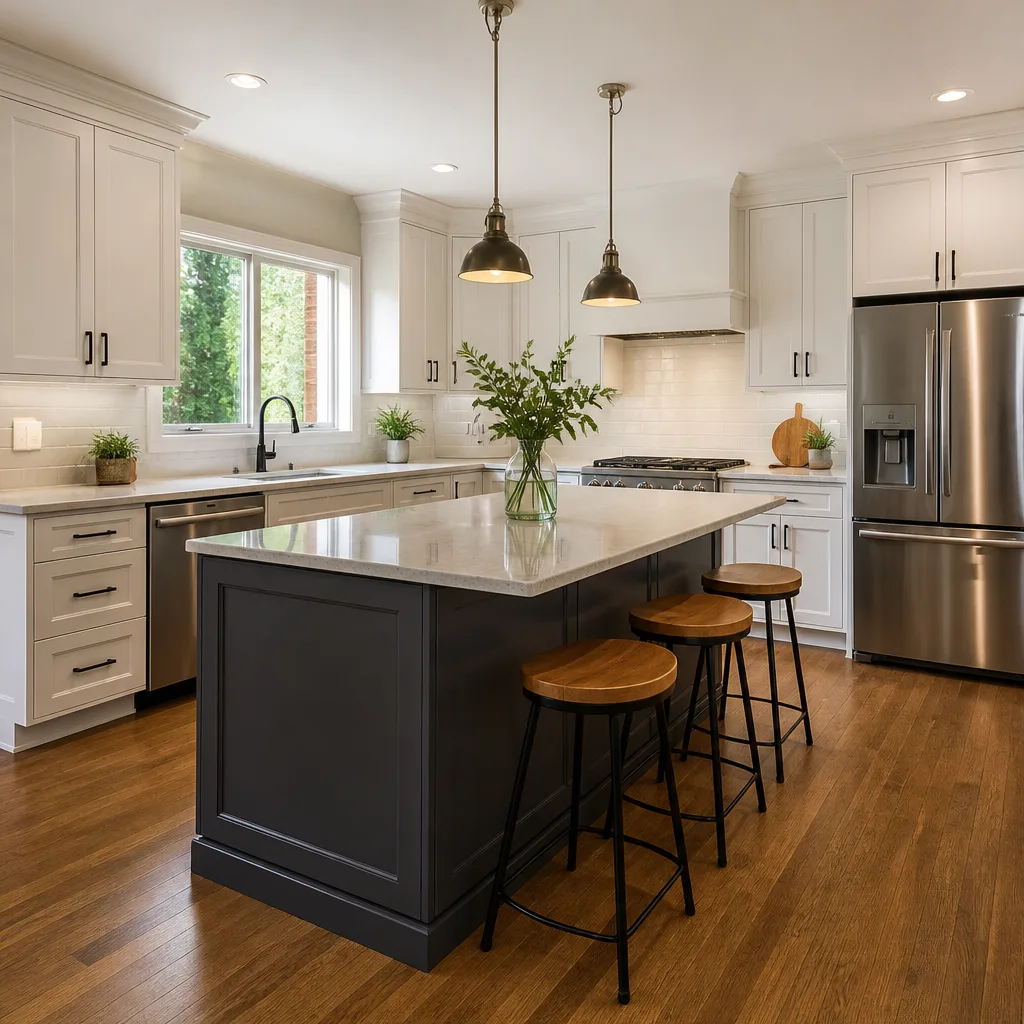 Kitchen remodeling
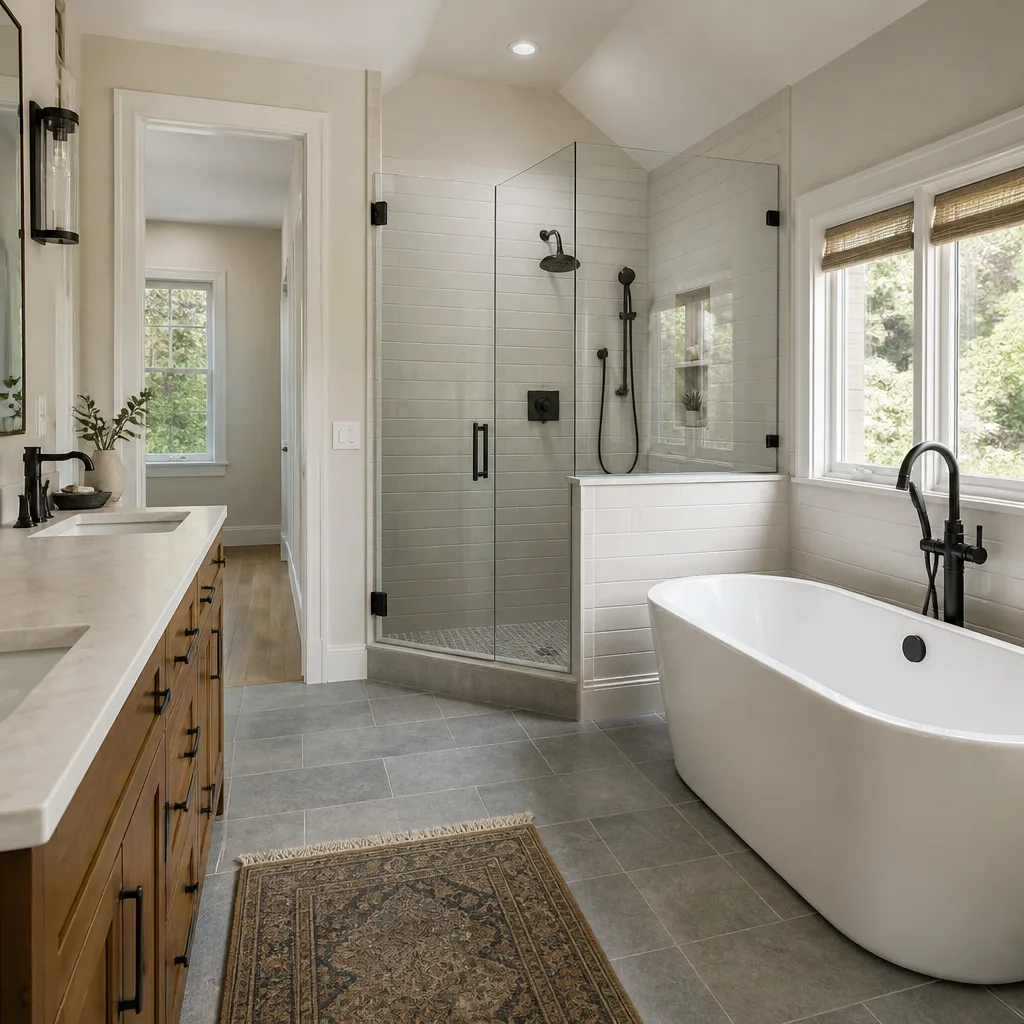 Bathroom remodeling
 Roofing
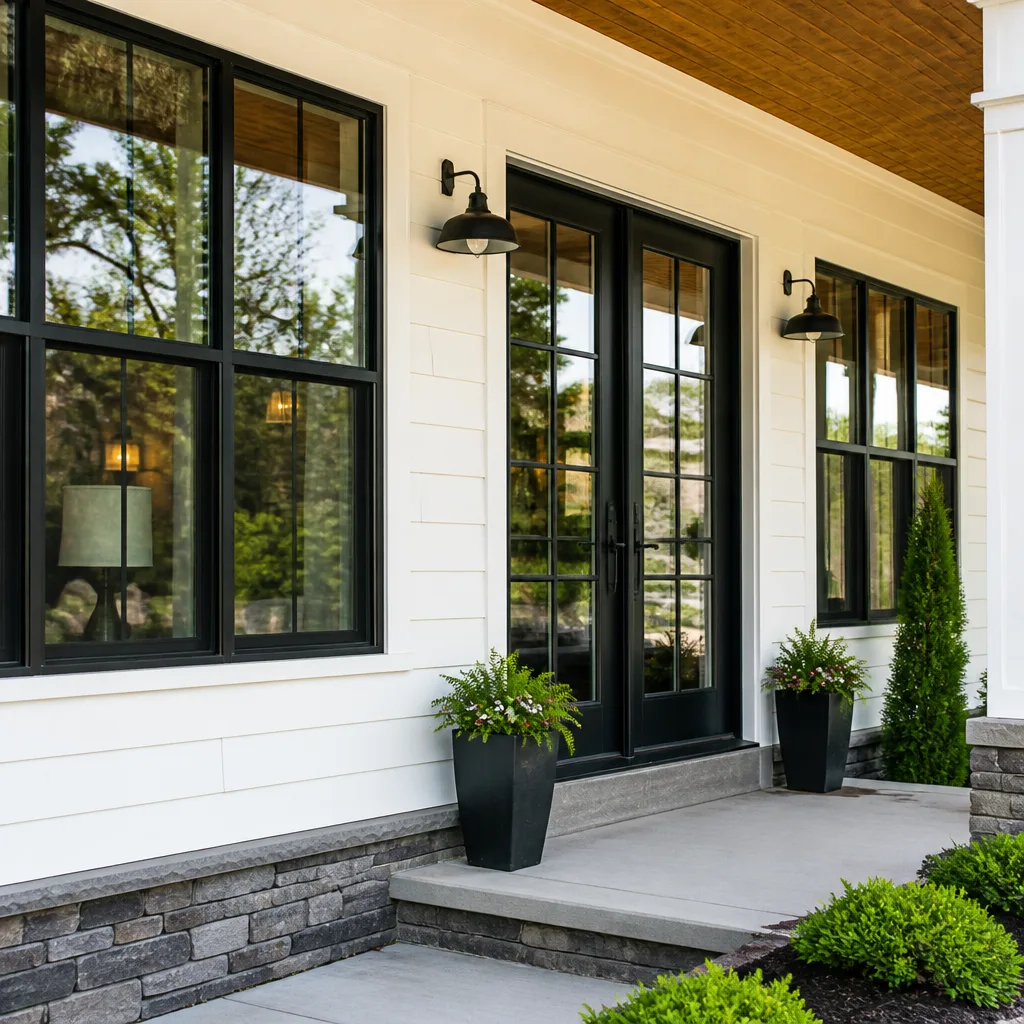 Windows & doors
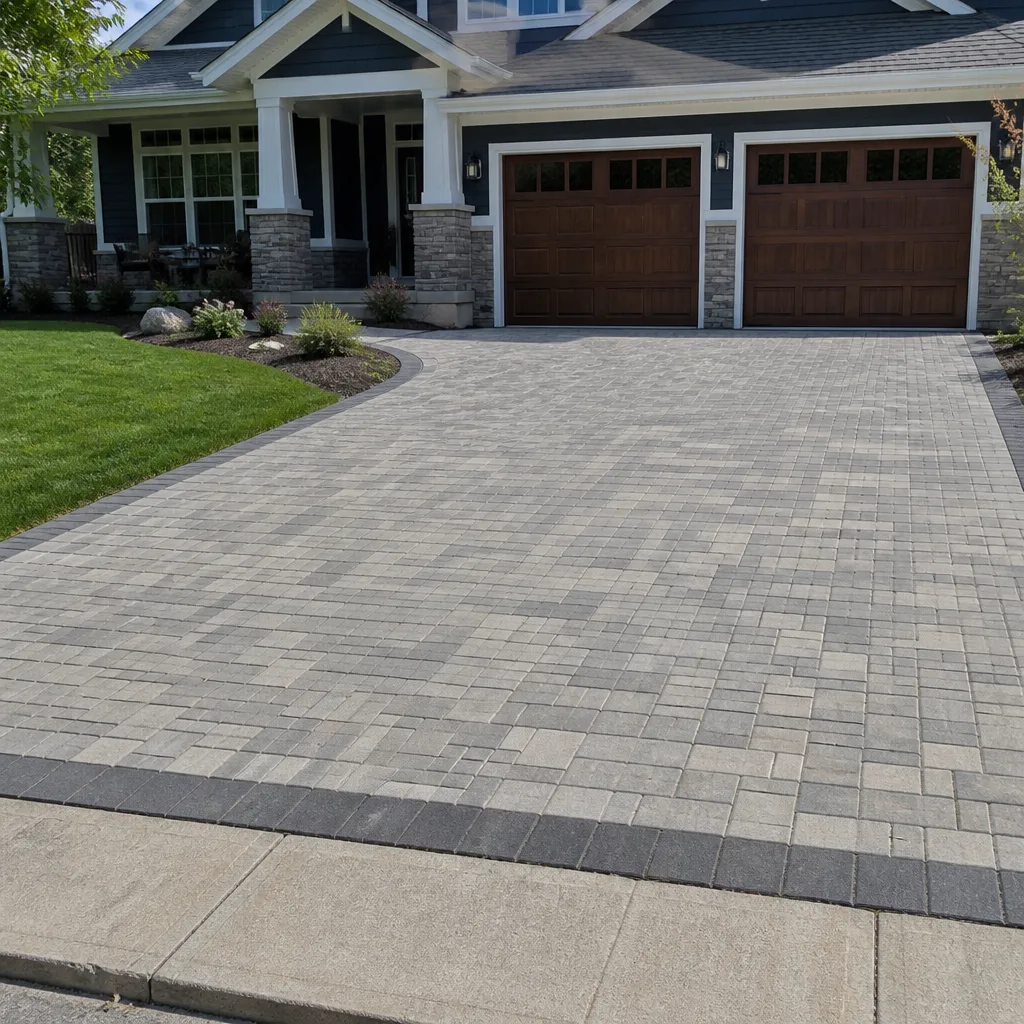 Driveway & pavers
 Fence
Free written scope consultation - allowances, timeline, and change-order rules on paper before a single trade is scheduled
DIY vs Professional Construction: The South San Francisco Homeowner’s Decision Guide
In California, a homeowner who completes unpermitted structural work is legally required to disclose it to every future buyer. Fail to disclose, and you carry liability for damages long after the sale closes. Most homeowners don’t learn this until they’re sitting at the closing table. This guide walks through the real decision framework for South San Francisco homeowners: where DIY genuinely makes sense, where it becomes a legal and financial liability, and how to structure a hybrid approach that protects both your budget and your resale value. For how to hire a construction contractor in South San Francisco: a step-by-step guide, see our companion resource.
Quick Answer
DIY makes sense for cosmetic, non-structural, non-systems work in South San Francisco: paint, trim, fixture swaps, landscaping, and minor finishes. Anything touching structure, electrical, plumbing, gas, roofing, or permits should be handled by a licensed general contractor, not because of skill confidence but because California law, insurance policies, and resale disclosure requirements create financial exposure that no amount of YouTube research can eliminate.
Styles & brands we work with
Table of Contents
- The Legal Framework: What California Requires
- The Resale Math: How DIY Work Gets Valued at Zero
- Where DIY Genuinely Makes Sense in South San Francisco
- The Liability Gap: Insurance Exclusions Most Homeowners Miss
- The Hybrid Approach: Partnering With a General Contractor
- South San Francisco Specifics: Climate, Codes, and Market Conditions
- What Things Actually Cost: DIY vs Professional in SSF
- Common Mistakes to Avoid
Looking for a General Contractor in South San Francisco to handle the structural side of your project? Millwright Builders offers free estimates and clear scope separation for hybrid projects.
The Legal Framework: What California Requires
California Business and Professions Code Section 7048 does allow homeowners to act as their own contractor on their primary residence, but that right comes with a hard boundary. The owner-builder exemption applies only to work on your own home, and it does not exempt you from code compliance, permit requirements, or the disclosure obligations that attach to any work performed without a licensed contractor.
Here is what California law requires a licensed contractor for, regardless of how capable a homeowner might be:
- Electrical panel work: Any modification to a main service panel, subpanel, or branch circuit wiring requires a C-10 electrical contractor or a general contractor pulling an electrical permit through a licensed electrician. South San Francisco’s building department enforces this strictly, particularly in older Westborough and Sunshine Gardens homes where original panels predate modern load requirements.
- Gas line modifications: Moving a gas line for a kitchen remodel or adding a line for a new range requires a permit and a licensed plumber. DIY gas work is a code violation and a genuine safety hazard. Insurance carriers will deny claims tied to unpermitted gas work without exception.
- Structural alterations: Removing or modifying load-bearing walls, cutting new window or door openings in exterior walls, and any foundation work requires stamped engineering and a permit. South San Francisco sits in Seismic Design Category D, which means structural alterations face more scrutiny here than in many other parts of the country.
- Roofing over 500 square feet: Re-roofing a home in South San Francisco requires a permit, and the city requires a licensed contractor for roofing work exceeding a threshold that most residential roofs cross. The coastal fog and wind exposure along the Sign Hill and Terrabay areas mean roof installations need to meet specific uplift requirements that DIY installs rarely satisfy.
- Any work requiring a permit that you cannot close: If the city issues a permit and the work fails inspection, a licensed contractor must be brought in to correct it. A homeowner who cannot get their own work to pass inspection has no path forward without professional help.
The owner-builder path sounds appealing because it bypasses contractor markup. But it also puts the homeowner’s name on the permit as the responsible party. When that home sells, the seller must disclose that owner-builder work. In a market as thorough as South San Francisco’s, where buyers routinely pull permit history from the city’s online portal before making an offer, that disclosure is not a formality. It is a negotiating weapon.
What Owner-Builder Status Actually Means
When you pull a permit as an owner-builder, the city records you as the contractor of record. That carries obligations most homeowners do not understand until after the work is done. You are responsible for worksite safety. You are responsible for code compliance. If you hire day labor to help, you may be liable for workers’ compensation if someone gets hurt, unless you have specifically structured the arrangement to avoid that exposure. The permit restriction also limits resale: in many cases, owner-builder work completed within a year of sale triggers additional disclosure requirements that can slow a transaction.
Millwright Builders has walked South San Francisco homeowners through the owner-builder declaration process more times than we can count, and the consistent pattern is this: homeowners underestimate the administrative burden and overestimate the savings once time, tools, materials overruns, and correction work are factored in.
The Resale Math: How DIY Work Gets Valued at Zero
Here is a specific example from the South San Francisco market, the kind of case we see repeatedly. A homeowner in the Buri Buri neighborhood spends $7,000 on a DIY kitchen refresh: new countertops installed over old cabinets, a tile backsplash, new sink, and refinished cabinet faces. The work looks good in photos. When the home lists, the buyer’s agent pulls the permit history. No permits were pulled for the countertop installation or the sink plumbing. The buyer’s inspector flags the sink drain as non-compliant. The appraisal comes in $12,000 below the seller’s expectation because the improvements are unpermitted and not valued as part of the home’s assessable square footage or systems. The seller now faces a choice: reduce the price, or open the walls to bring the work up to code before closing.
Unpermitted work is not valued at zero. In many cases, it is valued at negative, because the buyer inherits the liability of correcting it. A buyer who discovers unpermitted structural or systems work has three options: ask for a price reduction, ask the seller to fix it before closing, or walk. None of those outcomes benefit the seller.
South San Francisco’s housing market is a seller’s market by most national standards, but it is also a market where buyers conduct unusually thorough due diligence. Proximity to biotech employers means a buyer pool full of engineers, scientists, and project managers who know how to read a permit history and ask the right questions. A Home Remodeling in South San Francisco project without permits is a red flag that savvy buyers exploit without hesitation.
What Appraisers Actually Look At
- Permit history: Appraisers pull the city’s permit record and compare it against the home’s listed improvements. Unpermitted square footage additions are excluded from gross living area calculations entirely.
- Quality indicators: Licensed contractor work generally shows consistent material quality and installation standards. DIY work often shows inconsistencies that appraisers and inspectors are trained to spot.
- Market comparables: Appraisers compare your home against recently sold homes in the same South San Francisco neighborhood. If comparable homes have permitted improvements and yours do not, your valuation suffers even if the work looks identical.
The math is rarely favorable to DIY when resale value is part of the equation. A homeowner who saves $8,000 by doing structural or systems work themselves often loses $15,000 to $25,000 in negotiated price reductions or post-inspection credits at sale. That is not a theoretical risk. It is the consistent pattern in South San Francisco transactions involving unpermitted owner-builder work.
Where DIY Genuinely Makes Sense in South San Francisco
None of this means homeowners should not pick up a paintbrush. There is a clear, defensible line in South San Francisco between work that is safe to self-perform and work that creates legal exposure. The boundary is simple: if the work does not touch structure, systems, or the building envelope, and does not require a permit, DIY is generally reasonable.
Here is the DIY-safe zone, scoped cleanly:
- Interior painting: Fully DIY-appropriate. No permits required. The only South San Francisco specific consideration is lead paint in homes built before 1978, which are common in the Old Town and Avalon Park neighborhoods. If you have pre-1978 paint, use lead-safe practices or hire a certified renovator.
- Fixture swaps: Changing a light fixture, swapping a faucet, replacing a toilet, installing a new sink where plumbing already exists. These are DIY-appropriate as long as you are not moving plumbing or electrical rough-ins. The key distinction: swap-in-place is DIY; relocation is contractor territory.
- Cosmetic trim and molding: Baseboards, crown molding, door casing. No structural implications, no permits, no disclosure issues at resale.
- Landscaping and hardscape surface work: Planting, mulching, garden beds, small paver paths. South San Francisco’s Mediterranean climate means most landscaping work is forgiving. The line is at retaining walls over 3 feet tall, which require engineering, and any hardscape that changes drainage patterns.
- Flooring replacement: Laminate, luxury vinyl plank, carpet, and floating engineered wood. No permits required. The exception is tile in wet areas, where waterproofing failures create mold and structural damage, and any floor replacement that exposes subfloor damage requiring structural repair.
- Cabinet hardware and minor kitchen updates: New pulls, knobs, hinges, and even refacing cabinet doors. Cosmetic only. If you are reconfiguring cabinet layouts, moving plumbing, or changing countertop profiles on load-bearing cabinetry, bring in a professional.
The boundary question for South San Francisco homeowners is not “can I do this?” but “what happens when something goes wrong?” A homeowner who installs their own kitchen faucet and gets a slow leak inside the wall will discover the leak when the base cabinet starts to swell, or when mold appears, or when the ceiling below shows water staining. At that point, the water damage is an insurance claim, and the insurance adjuster’s first question is who performed the plumbing work. If the answer is the homeowner, the claim can be denied for self-performed work, even if the leak was not directly caused by the installation. That brings us to the liability gap.
The Liability Gap: Insurance Exclusions Most Homeowners Miss
Homeowner’s insurance policies are written to cover sudden and accidental losses. They are not written to cover losses caused by unpermitted, self-performed work. The standard HO-3 policy contains language that excludes coverage for damage resulting from faulty workmanship, and many carriers have begun adding explicit endorsements that deny claims where the originating work was performed by an unlicensed person.
What this means in practice, in South San Francisco, is this:
- DIY electrical work that causes a fire: The fire damage claim will be investigated. If the adjuster determines the fire originated from unpermitted electrical work performed by the homeowner, the claim can be denied. You now have a burned house and no insurance payout.
- DIY plumbing that floods a bathroom: The water damage claim process will include a plumber’s inspection. If a licensed plumber identifies the leak as coming from a homeowner-installed fixture or line, the carrier may pay the damage claim but then subrogate against the homeowner, or deny coverage outright depending on the policy language.
- DIY structural work that fails during an earthquake: South San Francisco sits in a high seismic hazard zone. A homeowner who removes a shear wall or cuts through a load-bearing beam to open up a kitchen has weakened the home’s lateral resistance. If an earthquake causes damage, the claim investigation will examine permit history. Unpermitted structural modification is an easy denial for the carrier.
- Injury to a paid helper: If you pay a neighbor or day laborer to help with a DIY project and they get hurt, your homeowner’s policy may not cover their medical bills. Without a contractor license and workers’ compensation insurance, you are personally liable for that injury. California workers’ compensation law is not optional for people who hire others to perform construction work, even on a casual basis.
This is the part of the DIY-versus-professional decision that most more guides & resources gloss over. The savings from doing the work yourself are real and visible. The liability exposure is invisible until something goes wrong, and then it is catastrophic.
For the structural, systems, and envelope work that carries this exposure, a Home Renovation in South San Francisco performed by a licensed contractor shifts the liability. The contractor carries the workers’ compensation, the general liability insurance, the permit responsibility, and the code compliance burden. When Millwright Builders pulls a permit in South San Francisco, our name is on it as the contractor of record. Our insurance is on file with the city. The liability chain is clean, and that is worth something real when something goes wrong.
The Hybrid Approach: Partnering With a General Contractor
The smart play for many South San Francisco homeowners is not full DIY or full professional. It is a hybrid: hire a licensed general contractor for structure, permits, and systems, and reserve the finish work and cosmetic labor for yourself. This captures the real savings where they exist and eliminates the liability where it does not.
Here is what a typical hybrid project looks like, step by step:
- Scope split: Sit down with the contractor and divide the project into two lists: professional scope and homeowner scope. Professional scope includes permits, structural work, electrical, plumbing, roofing, windows, and anything touching the building envelope. Homeowner scope includes painting, landscaping, fixture installation, and cosmetic finishes.
- Contract structure: The contract should explicitly define the boundary between professional and homeowner scope. This protects both parties. The contractor is not responsible for homeowner-performed work, and the homeowner is not paying contractor markup on finish labor they will do themselves.
- Sequencing: The professional work happens first. Structure, rough electrical, rough plumbing, drywall, and inspection closures. Then the homeowner finish work begins. This sequencing prevents the homeowner from doing work that later needs to be undone for inspections.
- Permit responsibility: The contractor pulls and closes the permits for the professional scope. If homeowner work requires inspection, the contractor can coordinate the timing so the homeowner’s work does not delay permit closure.
- Final walkthrough: The contractor does a final review of the homeowner’s finish work before closing out. This catches code issues before they become resale problems.
Millwright Builders has structured hybrid contracts for South San Francisco homeowners across neighborhoods from Westborough to Buri Buri, and the model works well. Homeowners who want to paint their own kitchen after we install the cabinets and countertops are welcome to do so. Homeowners who want to lay their own sod after we install the paver patio and drainage are welcome to do that, too. The line is clear: we own the work that carries liability, and you own the work that is genuinely yours to do.
One note on material sourcing. When you buy materials yourself for the homeowner scope, you are buying retail pricing and you own any defects. When Millwright Builders sources materials, we are buying through our trade relationships with brands like PGT for windows and Boral for siding, at pricing that often offsets part of our markup. And we own the material warranty. That is a difference worth understanding before you start shopping at a big-box store.
South San Francisco Specifics: Climate, Codes, and Market Conditions
South San Francisco is not a generic California suburb. The city’s location on the San Francisco Peninsula creates specific conditions that affect the DIY-versus-professional calculation:
Fog and marine air: Homes in the Terrabay, Avalon Park, and Old Town neighborhoods sit close enough to the bay to get consistent marine layer exposure. This means exterior work faces more moisture than inland San Mateo County homes. Decking, siding, and flashing details that would be fine in Redwood City or San Jose often fail faster here. Boral siding, which is a composite product resistant to moisture cycling, is a common upgrade we recommend for South San Francisco exterior work where homeowners want to reduce long-term maintenance.
Wind exposure: The Sign Hill area and the ridgeline above El Camino Real get real wind. Roofing installations here need to meet higher uplift resistance requirements than flat neighborhoods. A DIY roof repair that passes visually may not meet the nailing pattern and underlayment requirements the city enforces on re-roofing permits. When we install roofing in South San Francisco, we specify GAF and Owens Corning products installed to manufacturer wind warranty standards, because the warranty is only valid if the installation meets those standards. A DIY install has no such warranty.
Seismic requirements: South San Francisco is in Seismic Design Category D, one of the higher classifications in the state. Structural work that a homeowner might do successfully in Sacramento or Fresno can fail code here because the lateral load requirements are stricter. Shear wall specifications, hold-down placement, and foundation anchoring details are all more demanding. This is not a place to guess at structural calculations.
Permit process: The South San Francisco Building Division is thorough and specific. They want stamped structural drawings for any load-bearing work, energy compliance documentation for any envelope work, and a clear scope of work on the permit application. A homeowner who tries to navigate this without experience will typically spend weeks in plan review, only to have the work fail first inspection anyway. The city is not hostile to owner-builders, but the process assumes you know what you are doing.
Market conditions: The South San Francisco real estate market has been among the strongest on the Peninsula for the last decade, driven by biotech employment and limited housing supply. This means two things. First, the return on permitted, professional remodeling work is consistently high here, because buyers pay a premium for turnkey homes. Second, buyer due diligence is unusually rigorous, because the same analytical mindset that works in biotech gets applied to home buying. Permit history matters more in this market than in most.
What Things Actually Cost: DIY vs Professional in SSF
Here is a realistic cost comparison for common South San Francisco projects, based on typical project scopes we see in this market. These are ranges, not quotes, and they assume the DIY option does not require corrections or rework.
| Project | Typical DIY Cost | Typical Professional Cost | Key Difference |
|---|---|---|---|
| Interior paint (1,500 sq ft home) | $800 – $1,400 | $4,000 – $7,000 | Labor only. DIY is reasonable if you are patient and detail-oriented. |
| Kitchen faucet swap | $150 – $300 | $350 – $600 | DIY is fine if existing plumbing is sound. If the shutoff valves are old, professional makes sense. |
| Bathroom remodel (cosmetic) | $8,000 – $14,000 | $25,000 – $40,000 | Professional cost includes waterproofing, permits where required, and warranty. DIY savings are real but the waterproofing failure risk is entirely on you. |
| Kitchen remodel (full, structural) | Not legally feasible | $60,000 – $120,000 | Structural changes, electrical, plumbing, and permits make this professional-only territory. |
| Deck replacement | $3,000 – $6,000 | $12,000 – $20,000 | South San Francisco wind and moisture exposure make professional installation valuable. Deck failure is a safety issue. |
| Roof repair (minor, under 100 sq ft) | $200 – $500 | $600 – $1,400 | Small DIY roof patches can work if done correctly, but a bad patch leads to water intrusion. The risk-reward is marginal. |
| Window replacement (one window) | $400 – $900 | $1,200 – $2,500 | DIY window installs rarely achieve the air and water sealing that PGT or similar brand windows need to function properly in SSF’s marine climate. |
| ADU construction | Not legally feasible | $200,000 – $350,000 | ADUs require plan review, multiple trade permits, and licensed contractor work. This is the furthest thing from DIY territory. |
These numbers are honest. The DIY savings on cosmetic work are real. The DIY savings on structural and systems work are largely illusory, because the liability and resale costs erase them, and because the insurance exposure is not priced into the upfront savings.
Common Mistakes to Avoid
- Starting structural work without checking the permit trigger: In South San Francisco, removing a wall that is load-bearing without a permit is a code violation that must be disclosed at sale. The cost of fixing it later, with engineering and construction, is always higher than doing it right the first time. Call the Building Division or a contractor before you swing the sledgehammer.
- Assuming the owner-builder exemption covers you on a flip: The owner-builder path is for your primary residence, and if you sell within a year of completing owner-builder work, you face additional disclosure and in some cases additional inspection requirements. Flipping a South San Francisco home with owner-builder work is asking for trouble.
- Doing your own electrical work because “it is just swapping a breaker”: Panel work is lethal and insurance carriers have zero tolerance for it. A homeowner who replaces a circuit breaker and later files a fire claim will find the investigation is not on their side. This is not a skill issue. It is a legal and financial one.
- Underestimating waterproofing requirements in wet areas: South San Francisco homes see enough moisture from fog and marine air that a tile shower or tub surround with improper waterproofing will fail. The cost to tear out and redo failed shower waterproofing is $8,000 to $15,000. The professional install adds $2,000 to $4,000 to the project. The math is not close.
- Letting a handyman do contractor work to save money: Unlicensed contractors in California cannot legally perform work over $500 in labor and materials. If a handyman installs a water heater and it fails, your insurance claim will be denied because the work was performed by an unlicensed person. Millwright Builders sees this pattern every year in South San Francisco.
- Skipping the permit because “no one will know”: South San Francisco’s permit records are online and searchable by address. Buyers’ agents pull them as a matter of course. Neighbors report unpermitted construction regularly. The city’s code enforcement is responsive. You will get caught, and the correction is always more expensive than the permit would have been.
See the difference
 Before
 After
 Before
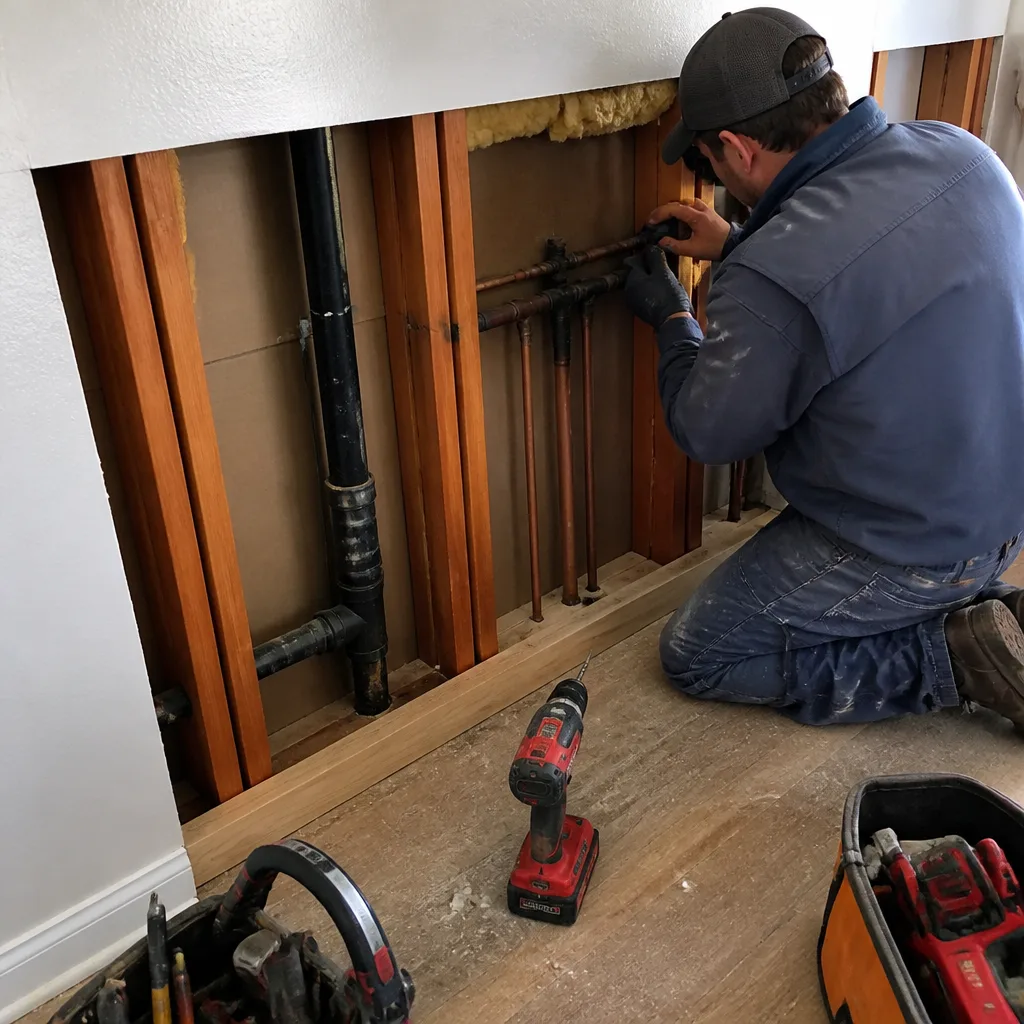 After
 Before
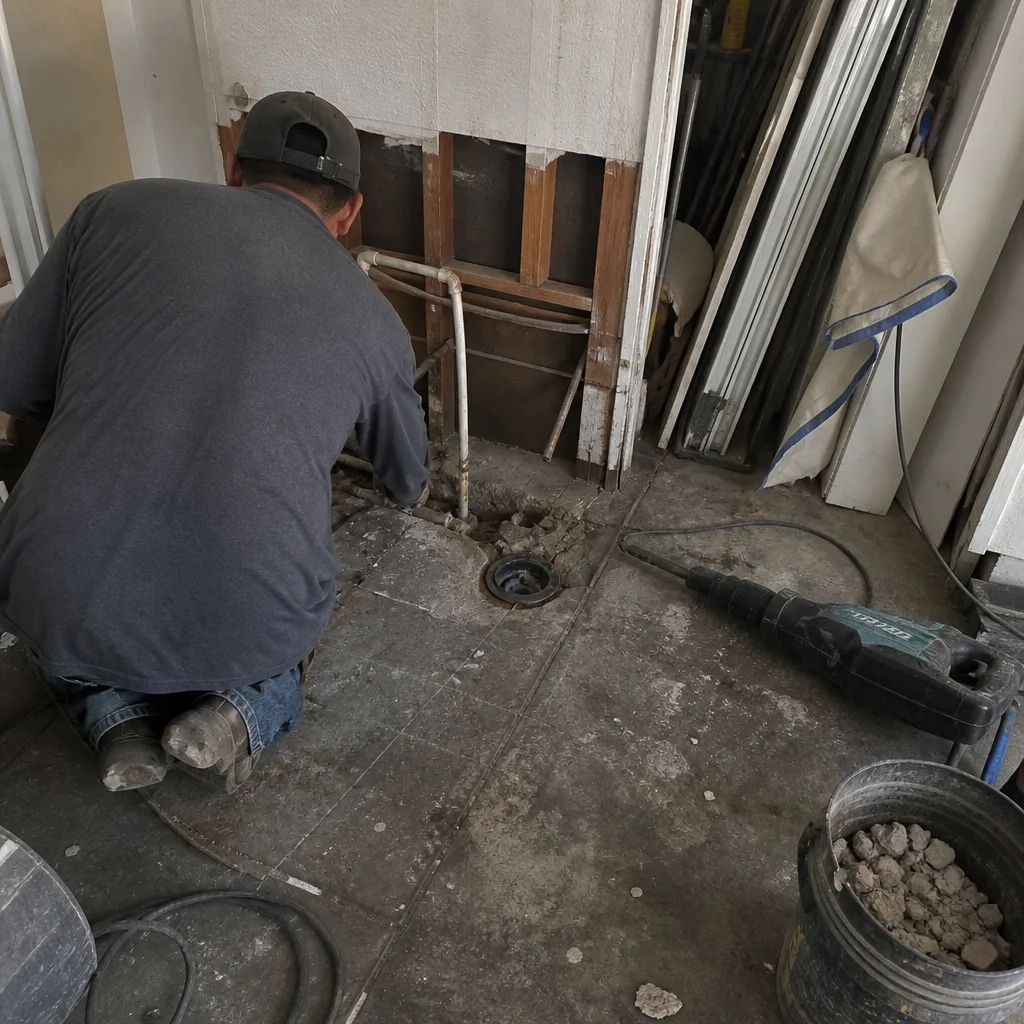
 After
When to Call a Professional
Call a licensed general contractor when the work touches structure, electrical, plumbing, gas, roofing, windows, or the building envelope. Call a professional when the project requires a permit and you do not have experience closing permits in South San Francisco. Call a professional when the work carries liability that your insurance will not cover if you do it yourself. Call a professional when the project is large enough that coordinating multiple trades without a contractor means you become the project manager, and your renovation becomes a second job. Millwright Builders offers free estimates in South San Francisco. Call (866) 925-0334 to talk through your project scope, whether it is a full gut remodel, a roofing replacement, or an ADU build.
Frequently Asked Questions
California allows homeowners to perform electrical work on their own primary residence under the owner-builder exemption, but the work must be permitted, inspected, and code-compliant. In practice, South San Francisco’s inspection process is rigorous, and most homeowners cannot meet the code requirements for panel work, circuit modifications, or new wiring without professional help. The insurance implications are severe if something goes wrong. The realistic answer: fixture swaps are fine. Panel work and new circuits are not.
A full kitchen remodel in South San Francisco typically ranges from $60,000 to $120,000 depending on scope, material selections, and whether structural changes are required. Cosmetic refreshes with existing layout can run $25,000 to $40,000 with professional installation. These are current market ranges, not quotes. Call (866) 925-0334 for a detailed estimate on your specific project.
Yes, and not in a small way. Unpermitted work is excluded from appraisals, flagged in buyer inspections, and used as negotiating leverage. In South San Francisco, where buyers are unusually thorough, unpermitted structural or systems work routinely costs sellers $15,000 to $25,000 in price reductions or credits at closing. The work is valued at zero or negative, not at its construction cost.
Yes. We structure contracts with clear scope separation: we handle permits, structure, systems, and envelope; the homeowner handles cosmetic finishes they want to do themselves. For a deeper look at identifying issues before they escalate, see our General Contractor Troubleshooting: Common Problems and How to Fix Them. The key is sequencing the work correctly so inspections are not delayed by homeowner labor. This model works well for homeowners who want to paint, landscape, or handle fixture installation themselves while we own the liability-heavy work.
The general rule: any work that touches structure, electrical, plumbing, mechanical, roofing, or the building envelope requires a permit. Cosmetic work like painting, flooring, and fixture swaps generally does not. If you are not sure, call the South San Francisco Building Division with a description of the work, or call a licensed contractor who can tell you in five minutes whether a permit is required. Millwright Builders is happy to answer that question at no charge for any project scope.
Waterproofing failures in wet areas, without question. A homeowner builds a tile shower, skips the proper waterproofing membrane, and the wall cavity starts rotting within two years. By the time it is discovered, there is mold, structural damage to the framing, and a $10,000 to $20,000 repair. The professional waterproofing upgrade would have added $2,000 to $4,000 to the original project. This is the clearest cost-benefit case for professional work in this market.
The Bottom Line
The DIY-versus-professional decision in South San Francisco is not about whether you are capable. It is about whether you are willing to carry legal liability, insurance exposure, and resale risk for work that a licensed contractor would carry for you. Cosmetic work is genuinely DIY territory. Structure, systems, envelope, and anything requiring a permit is professional territory. The hybrid approach, where a general contractor owns the liability-heavy work and the homeowner picks up the cosmetic finish labor, is the model that protects your budget and your resale value at the same time. For any project that crosses the DIY line, Millwright Builders home offers a single accountable point of contact from roofline to back patio. Call (866) 925-0334 for a free estimate and a clear scope conversation.
Written by the team at Millwright Builders, serving South San Francisco since 2014.